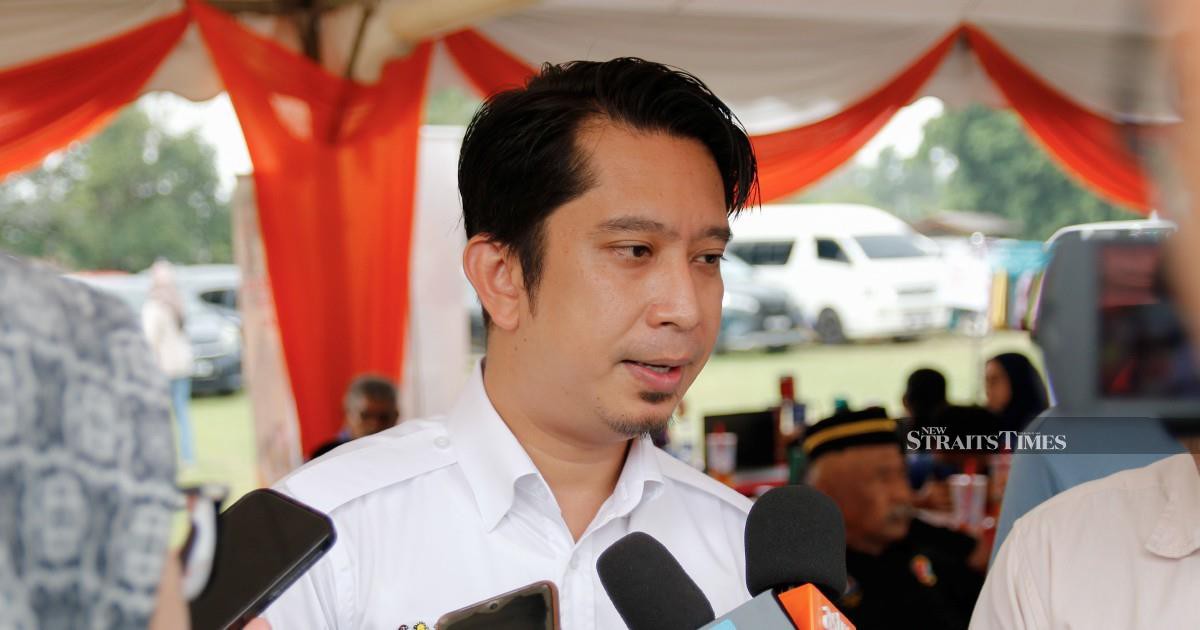
The political landscape in Melaka remains uncertain as Pakatan Harapan and Barisan Nasional have yet to begin substantive formal negotiations regarding possible cooperation in the forthcoming state election, according to state PKR chief Adam Adli Abdul Halim. The absence of structured dialogue between the two major political coalitions signals that discussions, if any, remain at a preliminary or informal level, leaving the electoral direction unclear for the southern state.
This development carries significant implications for Melaka, a state with a complex recent political history marked by shifting alliances and government transitions. The state has experienced considerable instability over the past few years, with multiple changes in administration reflecting broader tensions within Malaysia's political ecosystem. Any formal cooperation between PH and BN—should it materialise—would represent a substantial shift in how these competing coalitions approach state-level governance, particularly given their antagonistic positioning at the federal level.
The timing of such negotiations matters considerably. Election cycles in Malaysia create critical windows for coalition-building, during which political parties assess their electoral prospects, calculate seat distributions, and determine strategic alliances. The fact that formal talks have not commenced suggests that either both coalitions are pursuing independent strategies, or preliminary groundwork remains confidential pending clearer signals about electoral viability and voter sentiment.
For Pakatan Harapan specifically, engagement with Barisan Nasional at the state level presents both opportunities and complications. While cooperation could consolidate anti-establishment votes and strengthen electoral chances, it potentially compromises the coalition's identity and messaging. PKR, as a core PH member, holds particular significance in brokering any such arrangement, making Adam Adli's clarification on the lack of formal engagement an important marker of PH's current strategic thinking.
Barisan Nasional's position in Melaka similarly requires careful calibration. The coalition, historically dominant in Malaysian politics but weakened since 2018, faces questions about whether state-level alliances with PH would restore its fortunes or further dilute its standing among traditional supporters. The absence of formal negotiations may reflect BN's internal divisions over such a prospect or its assessment that independent electoral positioning remains viable.
The broader Malaysian political context underscores why Melaka matters. State elections function as testing grounds for national political trends, providing insights into voter preferences and coalition strength. A contested Melaka election without PH-BN cooperation would unfold along traditional factional lines, whereas strategic alignment would reshape the state's political dynamics substantially.
Informal discussions may nevertheless be occurring behind closed doors, a common feature of Malaysian political culture where exploratory conversations precede formal announcements. The distinction Adam Adli drew—between informal and formal negotiations—suggests space for backdoor diplomacy while maintaining public distance. Such positioning allows both coalitions flexibility to pursue formal talks without having previously committed to specific arrangements.
The role of smaller parties and independent candidates in a multi-sided contest would expand if PH and BN each proceed separately. This fragmentation could benefit either coalition depending on how opposition votes split, or potentially enable a third political force to capitalize on divided mainstream opposition. The electoral mathematics become more complex without a clear bipolar structure.
For Malaysian voters monitoring Melaka's political direction, the current situation reflects broader uncertainty about how coalition politics will evolve post-2023 elections. The trajectory of PH-BN relations—whether moving toward cooperation, competition, or some hybrid arrangement—will shape not only Melaka's governance but potentially signal nationwide political realignment. Adam Adli's statement that formal negotiations have not begun essentially confirms that Melaka's political future remains open, with multiple scenarios still possible depending on how coalition calculations develop in coming weeks.
The absence of formal talks also underscores how Malaysian political dynamics often involve significant behind-the-scenes activity before public announcements. Political parties typically assess electoral prospects, conduct internal consultations, and explore feasibility before entering formal negotiations. This interim phase, where informal soundings may occur without commitment, allows parties to gauge possibilities before staking their credibility on specific arrangements.
Regional implications extend beyond Melaka itself. How Pakatan Harapan and Barisan Nasional position themselves in one of Malaysia's key states influences perceptions of coalition sustainability and adaptability elsewhere. Other state governments and opposition-held territories watch such political choreography carefully, as it signals potential templates for inter-coalition relationships.

