Pakatan Harapan has moved to clarify its position on the Johor Menteri Besar appointment process, pledging full adherence to constitutional provisions that vest this authority in the Johor Sultan. The coalition's statement comes as campaigning intensifies ahead of the state election, with the opposition seeking to assure voters and the palace that it respects established institutional arrangements governing the sultanate.
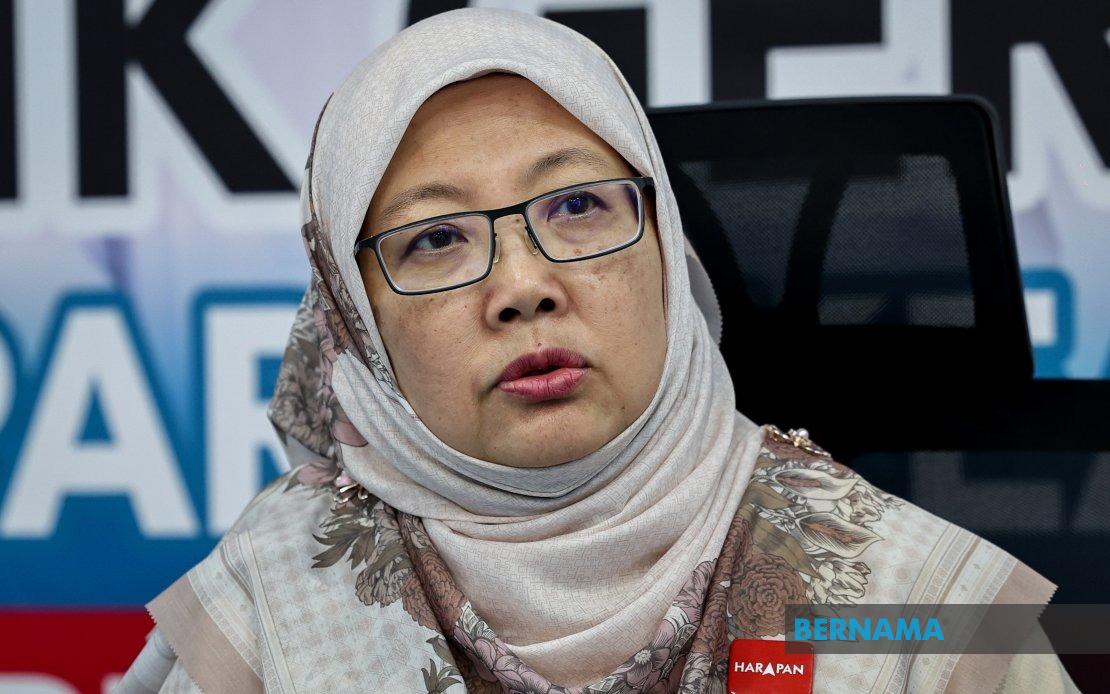
Johor PKR chairman Datuk Seri Dr Zaliha Mustafa articulated the coalition's stance, emphasising that PH would not make the Menteri Besar candidacy a centrepiece of its electoral messaging. Instead, the party intends to maintain focus on substantive governance matters and policy commitments that directly address constituent concerns. This strategic choice reflects a broader calculation that voters care more about tangible improvements to their daily lives than procedural questions about leadership selection.
The statement represents a deliberate response to remarks by incumbent Menteri Besar Datuk Onn Hafiz Ghazi, who had publicly called upon PH to announce its preferred candidate for the top state post should the coalition secure electoral victory. By declining to name a specific individual in advance, PH has signalled its intention to preserve the constitutional prerogatives of the Sultan while maintaining flexibility in its post-election negotiations with the palace. This approach acknowledges the delicate balance between democratic accountability and monarchical authority that characterises Malaysia's constitutional monarchy system.
The Johor State Constitution 1895 represents a foundational legal instrument that has governed the sultanate for over a century. Respect for these constitutional frameworks carries significant symbolic and practical weight in Johor, where the Sultan commands considerable institutional authority and public reverence. By explicitly pledging to uphold these provisions, PH seeks to position itself as a responsible custodian of Johor's established governance traditions, potentially deflecting criticism from conservative quarters that might view the opposition as disrespectful toward royal institutions.
Dr Zaliha's emphasis on policy engagement reflects a recognition that election campaigns succeed by connecting with voters' immediate preoccupations. Rising living costs, employment opportunities, and economic development rank among the pressing issues facing Johor residents, particularly in urban constituencies where PH commands relatively stronger support. By directing attention toward these substantive matters, the coalition attempts to reshape the electoral narrative around competence and vision rather than procedural technicalities.
The coalition's position also acknowledges the diverse composition of Johor's political landscape. With significant Malay-Muslim populations and strong traditional institutions, the state demands careful navigation of both democratic principles and cultural sensitivities. PH's affirmation of the Sultan's constitutional role demonstrates political maturity and an understanding that electoral victories must be accompanied by respect for established institutions to ensure effective governance thereafter. This message carries particular importance in a state where institutional legitimacy intersects with broader questions about federal governance.
PH's assertion that it possesses multiple qualified leaders capable of administering Johor functions as both a confidence statement and a practical acknowledgment. The coalition has cultivated numerous senior figures with executive experience across various government sectors. By noting this depth of talent, PH simultaneously reassures voters of the party's governing capacity while avoiding premature commitment to individual candidates. This flexibility allows the coalition to respond to electoral outcomes and subsequent negotiations with enhanced adaptability.
The broader context of Malaysian politics informs this positioning. Previous disputes over Menteri Besar appointments have occasionally created friction between elected governments and state monarchies, most notably in Selangor and Perlis. By proactively staking out a position of constitutional deference, PH aims to prevent such conflicts from arising in Johor should it achieve electoral success. This preventive approach enhances the likelihood of smooth governance transitions and reduces opportunities for political opponents to portray the opposition as disrespectful toward royal authority.
For Malaysian observers and Southeast Asian analysts, this statement illustrates the distinctive character of Malaysia's hybrid constitutional system, wherein Westminster-style parliamentary democracy coexists with traditional monarchical institutions. The resolution of this tension remains an ongoing challenge, particularly during transitions of political power. PH's commitment to constitutional proprieties suggests the opposition understands that electoral mandates do not automatically translate into unfettered executive authority in Malaysia's federal structure.
The substance of PH's policy agenda gains additional significance through this procedural clarity. By removing potential controversy regarding Menteri Besar selection, the coalition creates space to contest the election on substantive grounds. Voters can evaluate PH's proposals for economic diversification, infrastructure development, education, and social services without distraction from constitutional questions. This strategic pivot could prove particularly effective if the coalition can effectively communicate concrete improvements it proposes for Johor's future trajectory.
Looking ahead, this positioning establishes parameters for post-election negotiations should PH secure sufficient seats to form government. The Sultan, confident in the opposition's constitutional respect, may exercise greater flexibility in considering PH's preferred Menteri Besar candidate. Conversely, should the incumbent coalition retain power, it gains reassurance that a future PH government would not unilaterally challenge royal prerogatives. Either outcome benefits from the clarity that PH has now provided regarding its institutional commitments.