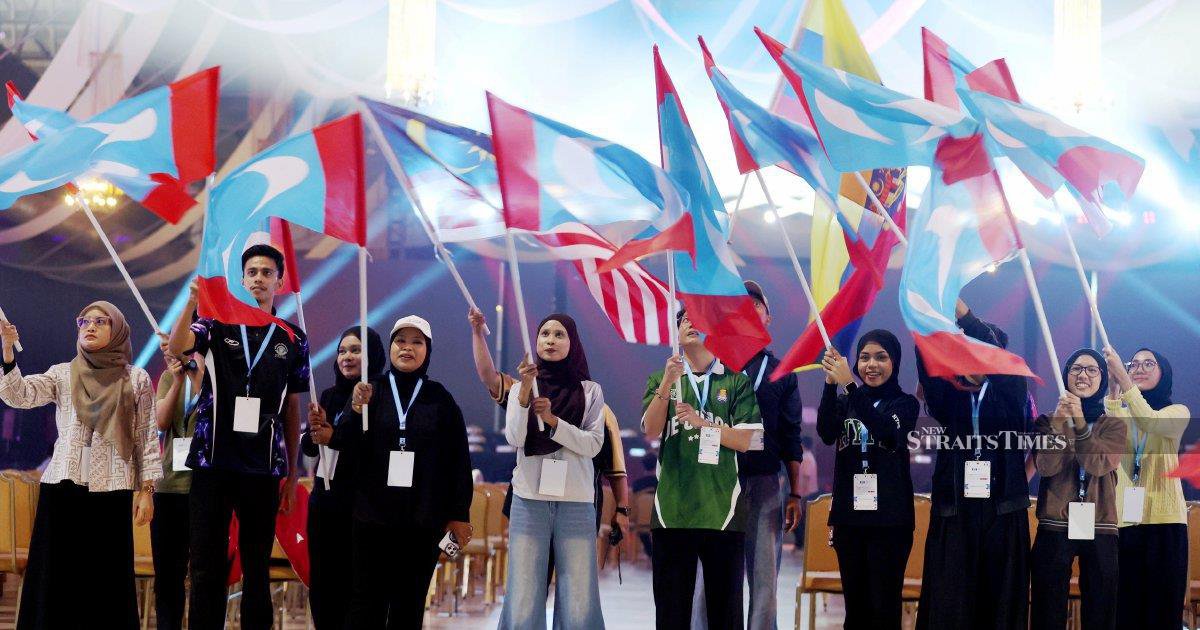
Malaysia's People's Justice Party (PKR) convenes its congress at the Melaka International Trade Centre in Ayer Keroh today against a backdrop of electoral setbacks and escalating internal divisions that have shaken party leadership. The gathering arrives at a critical juncture for the multiethnic opposition-turned-ruling-coalition party, which recently suffered defeats in state elections while facing mounting tensions among its senior ranks.
The party's performance in the recent Johor and Negri Sembilan state elections marked a significant blow to PKR's political standing. These results represent more than routine electoral fluctuations; they signal a deterioration in voter confidence in a party that has positioned itself as a reform force within Malaysia's government. In Johor particularly, where the party had made inroads in previous cycles, the losses suggest vulnerability to erosion of its base, whether through defections to rival parties or disengagement among supporters concerned about governance and delivery on promises.
Internal strife compounds the electoral difficulties. Party factions appear increasingly unable to manage disagreements through established channels, with disputes over leadership direction, candidate selection, and policy priorities becoming increasingly public. Such visible discord undermines party cohesion at a time when unified messaging and organisational discipline matter most, particularly as other coalition partners—notably the United Malays National Organisation and other components—may capitalise on PKR's troubles to consolidate their own positions.
The congress itself will serve as a forum where delegates must reckon with these intersecting challenges. Rather than a routine party gathering, the Melaka meeting represents an opportunity—or perhaps necessity—for the party to address grievances, reassess strategies, and seek consensus on direction. How party leadership responds to internal critics and what mechanisms emerge for resolving disputes will likely shape PKR's trajectory over the coming months and influence its standing within the broader political coalition that governs Malaysia.
For Malaysian observers, PKR's difficulties carry broader implications. As one of three major components in the ruling Pakatan Harapan coalition, along with the Democratic Action Party and Amanah, PKR's internal stability affects coalition cohesion. The party's ethnic composition—particularly its significant Malay-Muslim membership alongside sizable representation from other communities—makes it a potential bridge-builder within Malaysia's complex political landscape, but only if it can maintain internal discipline and project a credible vision for governance.
The electoral losses in Johor and Negri Sembilan also warrant regional context. Both states present mixed terrain for any ruling party, with entrenched opposition strongholds in certain areas and swing zones where voter sentiment shifts with economic conditions and local governance performance. PKR's inability to consolidate or expand in these spaces suggests the party may need to reassess campaign strategies, candidate quality, and ground-level organisation. Whether the congress generates meaningful reform of these structures will be telling.
One underlying tension within PKR concerns succession planning and generational transition. The party has long grappled with balancing the influence of founder Anwar Ibrahim—now Prime Minister—with the aspirations of younger or alternative power centres within the organisation. Electoral setbacks can intensify such internal competition, as factions may blame rivals for strategic errors or resource allocation decisions.
The timing of the congress also invites scrutiny. Held so soon after state election defeats, it signals that party leadership wishes to move quickly toward stabilisation and forward-looking decisions rather than allowing grievances to fester. Conversely, rushing may suggest insufficient opportunity for candid assessment of what went wrong and how to correct course before the next electoral test, whether state or federal.
For Malaysia's broader political economy, PKR's performance and internal health matter beyond party politics. The ruling coalition's capacity to govern effectively, deliver public services, and maintain investor confidence depends partly on its constituent parties' stability and policy alignment. A PKR consumed by internal disputes or hampered by electoral momentum loss could complicate coalition effectiveness on issues ranging from economic policy to institutional reform.
PKR delegates will ultimately need to address not just the immediate crisis but the underlying factors driving both electoral losses and internal fragmentation. This may require difficult conversations about resource allocation, leadership accountability, and whether current strategies adequately address voter concerns. The congress represents a chance to begin that reckoning or a venue where deeper problems are merely papered over with procedural resolutions.
How PKR emerges from today's gathering will signal the party's resilience and readiness to reclaim political momentum. The outcomes—whether party unity strengthens, leadership emerges reinvigorated, or factions calcify further—will reverberate through Malaysian politics and the governing coalition's stability as the nation looks toward future electoral contests.

