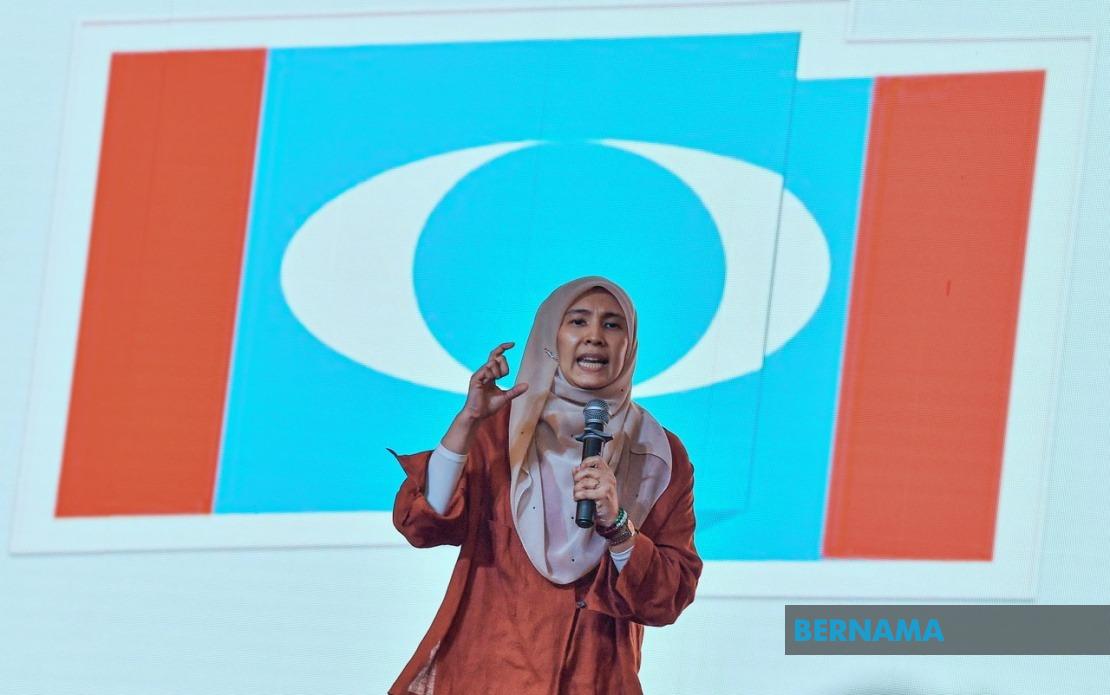
Malaysia's People's Justice Party (PKR) has sanctioned a temporary leave of absence for its Deputy President Nurul Izzah Anwar, a decision formalised by the party's Central Leadership Council during a meeting on August 6. The arrangement takes effect following the 2026 PKR National Congress and extends until a date the party leadership will announce at a later stage. PKR Information Chief Datuk Seri Fahmi Fadzil, who also serves as Minister of Communications, disclosed the outcome after the council deliberated on Nurul Izzah's formal request to step aside from the post.
The decision reflects internal party dynamics as PKR navigates its organisational structure ahead of the upcoming national congress scheduled for mid-August in Melaka. Nurul Izzah, a prominent political figure and daughter of Prime Minister Anwar Ibrahim, will continue to perform ceremonial duties through the transition period. Specifically, she is slated to officiate the opening of the PKR Women's and Youth Wing congresses on August 14, just one day before the main congress convenes, ensuring continuity in these significant party functions during what represents a delicate moment in leadership transitions.
Vice-President Datuk Seri Saifuddin Nasution Ismail has been designated to assume the responsibilities of Deputy President in an interim capacity. This arrangement allows the party to maintain operational continuity while accommodating Nurul Izzah's request without creating a permanent vacancy or requiring an immediate election to fill the position. Saifuddin, who brings considerable experience in party administration, transitions into expanded duties while maintaining his existing vice-presidential role, a structure that reflects the party's pragmatic approach to managing senior personnel decisions.
The council also resolved other significant organisational matters during the same meeting. The role of PKR Election Director has been fully transferred to party Vice-President Datuk Seri Amirudin Shari, concentrating electoral coordination responsibilities within his portfolio. This consolidation of the election director role suggests PKR is streamlining its campaign apparatus and centralising key administrative functions ahead of potential electoral activities. Amirudin's expanded responsibilities underscore the party's confidence in his capabilities to manage the complex machinery of campaign planning and execution.
PKR's leadership also acknowledged the outcomes of the Johor and Negeri Sembilan state elections held recently, accepting the electoral results with grace and resilience typical of mature political organisations managing electoral setbacks or mixed outcomes. The party formally expressed gratitude towards former Negeri Sembilan Menteri Besar Datuk Seri Aminuddin Harun for his service across two consecutive terms, a public recognition that highlights the party's institutional culture of acknowledging contributions from senior figures. This gesture carries symbolic weight in maintaining party cohesion during periods of organisational adjustment.
The party's membership expansion initiatives are yielding measurable results, with the council approving the admission of 3,533 newly registered members who completed their online registration between July 12 and August 2024. This intake represents PKR's ongoing efforts to broaden its grassroots support base and strengthen organisational capacity across various constituencies. Member recruitment through digital channels reflects the party's adaptation to modern organisational practices and its recognition that digital platforms enable more efficient processing of membership applications.
For Malaysian political observers, PKR's management of this leadership transition demonstrates the party's commitment to orderly institutional processes rather than reactive crisis management. The timing of Nurul Izzah's leave, coordinated precisely with the national congress schedule, suggests careful planning by party strategists to minimise disruption while allowing for potential recalibration of party structures. The announcement through official channels via Fahmi Fadzil ensures transparency and prevents speculation about internal party tensions, a practice that strengthens institutional credibility.
The implications extend beyond PKR's internal operations. As a major component of Malaysia's ruling coalition, PKR's organisational decisions influence the broader political landscape. Saifuddin's elevation to interim deputy president duties elevates his profile within the coalition and potentially positions him for greater influence in future strategic decisions. Meanwhile, Nurul Izzah's leave does not constitute resignation or removal, preserving her institutional standing and potential for future roles, a nuanced distinction that maintains her political viability while accommodating her current needs.
Regionally, PKR's leadership transitions merit attention from political analysts tracking Southeast Asian party dynamics. The party's ability to navigate personnel changes through institutional mechanisms rather than public confrontation reflects democratic maturity. For neighbouring countries experiencing similar political transitions, PKR's approach offers a case study in managing leadership changes through deliberative processes while maintaining coalition stability. The decision to temporarily rather than permanently fill key positions also demonstrates sophisticated understanding of maintaining flexibility in political alignments.
Looking ahead, the 2026 PKR National Congress in Melaka will provide a significant platform for the party to articulate its vision and chart strategic directions. The congress will likely address broader questions about party positioning within the coalition and electoral preparation for anticipated national elections. Nurul Izzah's continued presence during the congress proceedings, despite her leave arrangement, ensures her voice remains part of key party discussions, preserving her influence on strategic matters despite her stepped-back formal position.
The temporary nature of this arrangement leaves room for adaptation based on future circumstances and party needs. Should developments warrant, the council retains flexibility to adjust the arrangement before the announced end date. This pragmatic approach reflects PKR's understanding that political organisations must balance immediate operational needs with longer-term strategic considerations, ensuring neither rigidity nor instability compromises the party's effectiveness.

