%22%2F%3E%3C%2Fpattern%3E%3C%2Fdefs%3E%3Crect%20width%3D%22100%25%22%20height%3D%22100%25%22%20fill%3D%22url(%23phn33g)%22%2F%3E%3Crect%20width%3D%22100%25%22%20height%3D%22100%25%22%20fill%3D%22url(%23phn33p)%22%2F%3E%3Ctext%20x%3D%2250%25%22%20y%3D%2250%25%22%20text-anchor%3D%22middle%22%20dominant-baseline%3D%22central%22%20fill%3D%22rgba(255%2C255%2C255%2C0.95)%22%20font-family%3D%22Georgia%2C%20'Times%20New%20Roman'%2C%20serif%22%20font-weight%3D%22700%22%20font-size%3D%22320%22%20letter-spacing%3D%22-0.02em%22%3EPM%3C%2Ftext%3E%3C%2Fsvg%3E)
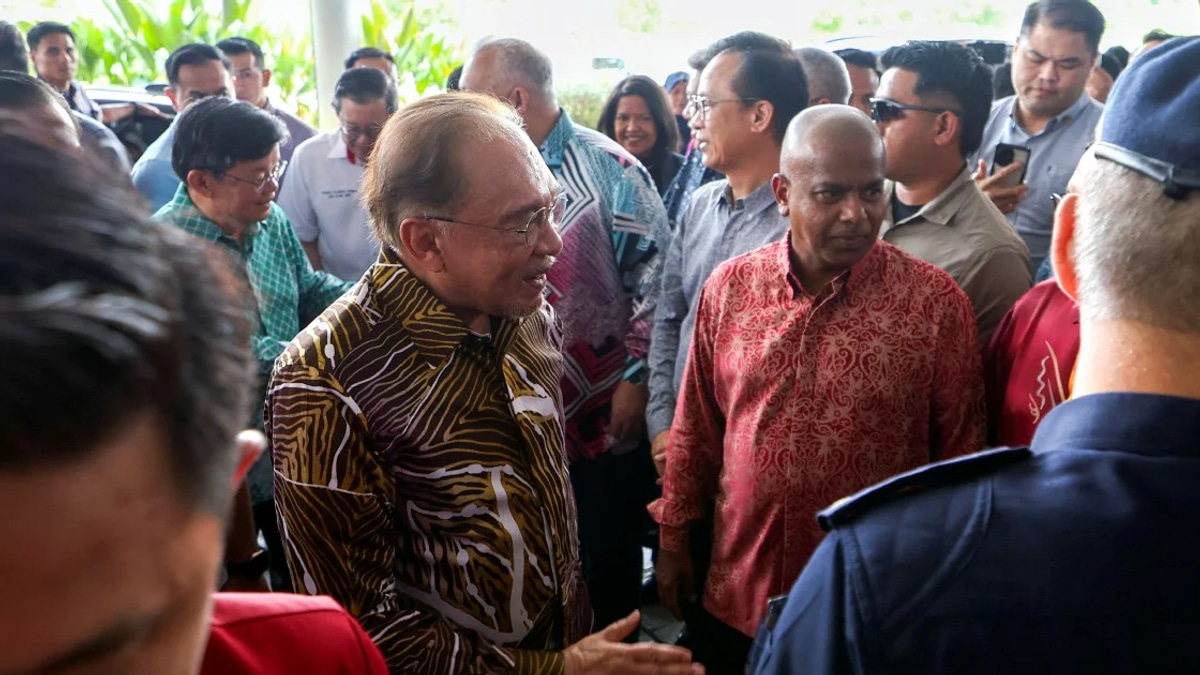
Prime Minister Datuk Seri Anwar Ibrahim has distributed assistance from the Tabung Kasih@HAWANA welfare scheme to three media industry workers during the National Journalists' Day (HAWANA) 2026 celebration at the PICCA@Arena Butterworth Convention Centre in Penang. The initiative continues to serve as a crucial financial lifeline for journalists and media professionals facing health crises and personal hardship. The event was attended by Penang Chief Minister Chow Kon Yeow and Communications Minister Datuk Fahmi Fadzil, underscoring the government's commitment to supporting the fourth estate during challenging circumstances.
The three beneficiaries represent the diversity of Malaysia's media landscape. Noraini @ Talhah Mat Tahir, a former production executive with Media Prima who has spent three decades in the industry, is contending with severe osteoarthritis that necessitated total knee replacement surgery beginning in January. At 63 years old, she expressed profound gratitude for the assistance, noting that medical expenses have become an overwhelming financial burden. Her case exemplifies how chronic conditions can derail the livelihoods of experienced media professionals who have dedicated their careers to journalism and broadcasting.
Guanalan Sengalaney, a 61-year-old journalist with Makkal Osai, represents another vulnerable segment within the profession. With 17 years of journalism experience, Guanalan is managing both heart disease and hypertension whilst supporting a household of five, including his wife and three children. The medication regimen required for his conditions demands meticulous financial management, and he has supplemented his income by working as a live streamer to meet basic living expenses. His situation reflects the economic precarity faced by many media workers, even those with substantial professional tenure, who lack adequate health insurance or pension provisions.
The third recipient, Ch'ng Lay Wah, a former stringer at Kwong Wah Yit Poh, was unable to attend the ceremony due to deteriorating health. Her younger sister, Ch'ng Goet Tin, accepted the aid on her behalf and revealed that Lay Wah has been battling breast cancer for two years. The recipient now endures daily chemotherapy and wound care treatments, mounting expenses that the Tabung Kasih@HAWANA contribution will help alleviate. This case underscores how catastrophic illness can rapidly deplete savings and create cascading financial difficulties for media families.
Since its establishment in 2023, the Tabung Kasih@HAWANA has emerged as a meaningful intervention within Malaysia's media ecosystem. The scheme has distributed assistance to 773 media practitioners nationwide, channelling a total of RM2.26 million across the country. Beyond immediate financial relief, the programme addresses multiple dimensions of hardship, including medical assistance, family welfare support, and general financial aid. This comprehensive approach recognises that media practitioners often face complex, interconnected challenges that extend beyond individual medical crises.
The government's commitment to the scheme deepened significantly during the HAWANA 2026 event when Prime Minister Anwar announced an additional RM1 million allocation for Tabung Kasih@HAWANA operations. This injection represents a tangible commitment to expanding the scheme's reach and increasing its capacity to assist more professionals. The timing of this announcement at the National Journalists' Day celebration signals broader recognition that media practitioners merit institutional support structures akin to those available in other sectors.
The welfare framework addresses a legitimate gap in Malaysia's social safety net. Unlike employees in large corporations or government agencies, many media professionals operate as freelancers, stringers, or work for organisations with limited benefit schemes. This precarious employment structure leaves journalists particularly vulnerable to health crises that can simultaneously eliminate income and multiply medical expenses. Tabung Kasih@HAWANA effectively compensates for this structural vulnerability within the industry.
The initiative also carries symbolic significance for press freedom and media independence in Malaysia. By demonstrating tangible government support for journalists' welfare, the scheme reinforces the message that media practitioners are valued stakeholders in the national project. This contrasts with adversarial narratives that sometimes characterise government-media relations. When journalists know that state institutions will assist them during genuine hardship, institutional trust and professional morale strengthen accordingly.
Looking forward, the expanded RM1 million allocation should enable more systematic outreach to media professionals who may not be aware of the scheme's existence. Smaller publications, community media outlets, and freelance journalists in peripheral regions often lack awareness of welfare initiatives available in Kuala Lumpur. Enhanced funding should facilitate better communication strategies and potentially enable rapid-response mechanisms for urgent medical situations. The Communications Ministry should consider establishing clear eligibility criteria and streamlined application processes to maximise uptake among eligible professionals.
%22%2F%3E%3C%2Fpattern%3E%3C%2Fdefs%3E%3Crect%20width%3D%22100%25%22%20height%3D%22100%25%22%20fill%3D%22url(%23ph1c6k9g)%22%2F%3E%3Crect%20width%3D%22100%25%22%20height%3D%22100%25%22%20fill%3D%22url(%23ph1c6k9p)%22%2F%3E%3Ctext%20x%3D%2250%25%22%20y%3D%2250%25%22%20text-anchor%3D%22middle%22%20dominant-baseline%3D%22central%22%20fill%3D%22rgba(255%2C255%2C255%2C0.95)%22%20font-family%3D%22Georgia%2C%20'Times%20New%20Roman'%2C%20serif%22%20font-weight%3D%22700%22%20font-size%3D%22170%22%20letter-spacing%3D%22-0.02em%22%3EMalaysia%3C%2Ftext%3E%3C%2Fsvg%3E)
%22%2F%3E%3C%2Fpattern%3E%3C%2Fdefs%3E%3Crect%20width%3D%22100%25%22%20height%3D%22100%25%22%20fill%3D%22url(%23ph41swg)%22%2F%3E%3Crect%20width%3D%22100%25%22%20height%3D%22100%25%22%20fill%3D%22url(%23ph41swp)%22%2F%3E%3Ctext%20x%3D%2250%25%22%20y%3D%2250%25%22%20text-anchor%3D%22middle%22%20dominant-baseline%3D%22central%22%20fill%3D%22rgba(255%2C255%2C255%2C0.95)%22%20font-family%3D%22Georgia%2C%20'Times%20New%20Roman'%2C%20serif%22%20font-weight%3D%22700%22%20font-size%3D%22320%22%20letter-spacing%3D%22-0.02em%22%3EPM%3C%2Ftext%3E%3C%2Fsvg%3E)