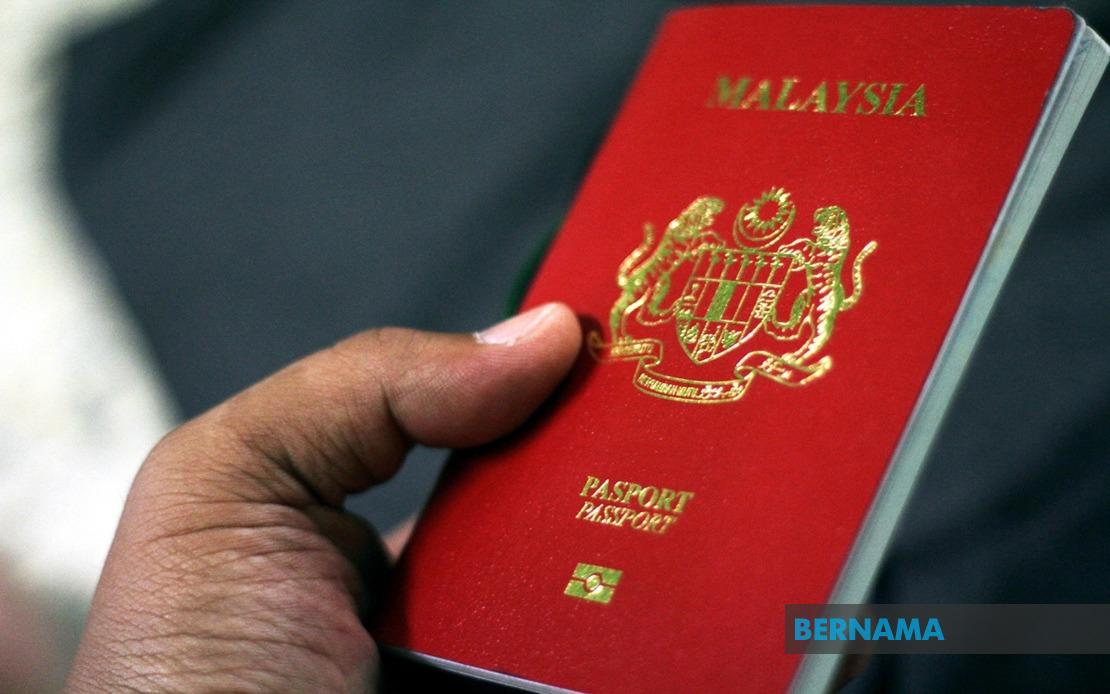
Prime Minister Datuk Seri Anwar Ibrahim will tomorrow unveil Malaysia's revamped International Passport at the Parliament lobby, marking a significant milestone in the government's efforts to fortify the nation's identity security infrastructure. The upgraded travel document represents a substantial leap forward from the existing version, incorporating nearly twice as many protective mechanisms designed to combat sophisticated counterfeiting operations and identity fraud.
The Malaysian International Passport currently in circulation contains 49 security features, a number that government officials determined had become insufficient in an era of increasingly advanced forgery techniques. The new iteration substantially expands this defensive arsenal to 94 features, reflecting technological advances in document security and international best practices. This enhancement positions Malaysia competitively among nations that have invested heavily in next-generation identity document systems.
Among the most notable additions to the redesigned passport are advanced holographic elements that shift and change under different light angles, making reproduction extraordinarily difficult without access to specialised equipment. Ultraviolet printing capabilities invisible to the naked eye add another layer of authentication that border officials and international authorities can verify instantly. Hidden visual elements embedded throughout the document's pages serve as concealed security markers that only trained personnel can identify, further complicating counterfeiting efforts.
Beyond visual enhancements, the new passport incorporates specialised forensic security features that facilitate scientific examination and verification by law enforcement and immigration authorities. These forensic markers enable security professionals to rapidly authenticate documents when suspicions arise, streamlining border processing while maintaining rigorous security protocols. The integration of such advanced features reflects Malaysia's commitment to joining other high-performing nations in adopting cutting-edge identity verification technologies.
The binding thread that holds the passport booklet together has itself undergone substantial redesign, now incorporating enhanced security properties that make unauthorised alteration or replacement virtually impossible. Each page within the passport has been assigned a unique design layout, preventing the wholesale substitution of pages or internal tampering. These architectural changes demonstrate that security improvements extend beyond surface-level visual enhancements to encompass the entire document's structural integrity.
This initiative aligns with a broader government programme announced earlier in the year by Home Minister Datuk Seri Saifuddin Nasution Ismail, who indicated that Malaysia would simultaneously modernise both the Malaysian International Passport and the national identity card, known as MyKad. The coordinated upgrade of multiple identity documents reflects recognition that security vulnerabilities in one document can cascade to compromise the entire system. By simultaneously strengthening both passports and identity cards, the government aims to create a comprehensive fortification of Malaysia's identity infrastructure.
Malaysia's international standing in passport strength has already positioned the country prominently within global rankings. According to the 2025 Passport Index, the Malaysian International Passport ranks as the world's third most powerful travel document, a distinction that reflects the broad visa-free or visa-on-arrival access Malaysian citizens enjoy across the globe. The new security enhancements are designed to protect this valuable asset while simultaneously reinforcing the integrity of the system that underpins Malaysia's reputation for reliable identity documentation.
The timing of this launch carries symbolic significance, occurring at Parliament and led by the Prime Minister personally rather than delegated to ministerial staff. Such high-level attention underscores the government's commitment to identity security as a matter of national importance rather than routine administrative procedure. For Malaysian travellers, particularly business professionals, students, and those engaged in international commerce, the enhanced security features translate to greater confidence when crossing borders and presenting travel credentials to foreign authorities.
From a regional perspective, Malaysia's investment in advanced passport security positions the nation competitively within Southeast Asia. The upgrade sends a signal to ASEAN partners and international bodies that Malaysia takes document security seriously and maintains standards consistent with developed democracies and advanced economies. This can facilitate smoother travel experiences and enhance Malaysia's credibility in international security arrangements, potentially strengthening its negotiating position on issues related to border management and identity verification standards within the region.
The implications for Malaysian citizens extend beyond travel convenience to encompass protection against identity fraud and misuse. Enhanced security features make it substantially more difficult for criminal networks to forge Malaysian passports for trafficking, money laundering, or other illicit purposes. By raising the technical barriers to counterfeiting, the new design helps protect not only individual Malaysian citizens but also strengthens Malaysia's capacity to prevent transnational crime facilitated through fraudulent travel documents. The government's investment in these security measures therefore represents both a domestic priority and a contribution to regional and international security cooperation efforts.

