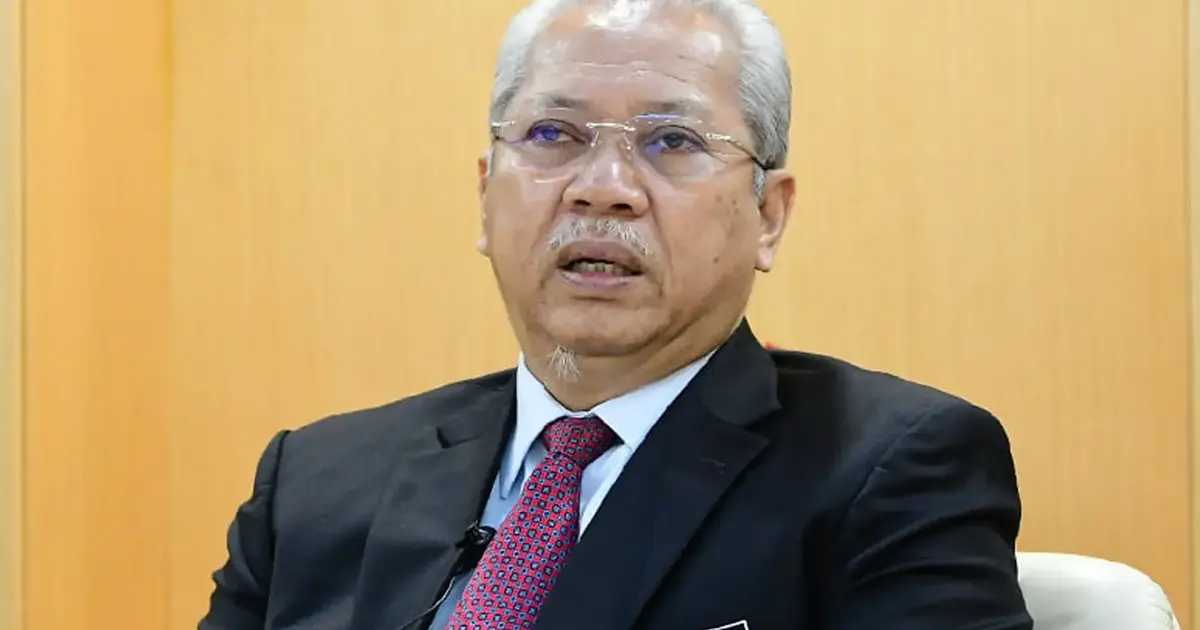
Perikatan Nasional faces a critical juncture as coalition leaders prepare to tackle festering disputes that have clouded the opposition bloc's readiness for imminent electoral contests. Information chief Annuar Musa confirmed that a Supreme Council meeting scheduled for Monday will serve as the decisive forum for resolving competing interests within the coalition, particularly regarding Bersatu's organisational future and the technical matter of logo usage in forthcoming state elections.
The timing of this gathering underscores the urgency facing PN as it prepares for state elections in Johor and Negeri Sembilan. Electoral campaigns demand clarity on fundamental questions: which party symbols will appear on ballot papers, how many seats each component party receives, and whether all coalition members remain committed to unified campaign strategies. Without such clarity, grassroots mobilisation becomes hampered, candidate announcements suffer delays, and public messaging loses coherence. The Monday meeting represents the coalition's attempt to present a unified front before nomination periods commence.
Bersatu's position within PN has emerged as a contentious issue, with questions swirling about the party's long-term commitment to the broader coalition structure. This uncertainty has rippled through internal deliberations on seat allocation—a perpetually sensitive matter in multi-party alliances. Coalition members naturally compete for maximum parliamentary and state assembly seats, yet compromise becomes essential for electoral viability. The Johor and Negeri Sembilan contests will test whether PN's component parties can transcend parochial interests to mount competitive challenges against rival blocs.
Logo disputes might appear technical to outside observers, but they carry profound symbolic weight in Malaysian electoral politics. Party symbols function as visual identity markers that voters recognise and associate with campaign messaging. Confusion over which logo appears alongside a candidate's name risks undermining brand recognition, particularly among less-engaged voters who navigate ballot papers rapidly. The coalition logo further represents broader unity messaging—visual proof that distinct parties have subordinated individual identity to collective purpose. Settling this question authoritatively prevents candidate confusion and ensures consistent visual messaging across campaign materials.
The Monday Supreme Council meeting will demand delicate negotiation among PN's senior figures. Information chief Annuar Musa's public acknowledgment that such issues require Supreme Council resolution signals that lower-level committees have reached impasse. Senior party presidents and chairmen must now intervene personally, weighing individual party interests against coalition cohesion. Such discussions typically involve intense behind-the-scenes negotiations where favourable treatment on one issue trades off against concessions on another. The outcomes reached Monday will establish precedents that inform future PN coalition dynamics.
For Malaysian political observers and stakeholders invested in opposition politics, this meeting carries broader implications beyond immediate electoral mechanics. Perikatan Nasional has positioned itself as a challenger to the governing coalition, yet internal discord undermines that credibility. Voters and analysts alike assess opposition movements partly through their organisational coherence and demonstrated capacity for strategic coordination. Visible disputes over logos and seat allocations transmit messages about coalition stability that influence electoral calculations. Strong internal governance and swift problem-resolution enhance PN's standing; conversely, visible fragmentation invites scepticism about readiness for governance.
The Johor and Negeri Sembilan elections themselves carry particular significance for Malaysian political trajectory. Johor, traditionally a Barisan Nasional stronghold with substantial Malay-Muslim demographics, presents terrain where PN's Islamist orientation and Bumiputera-focused messaging resonate with portions of the electorate. Negeri Sembilan, meanwhile, occupies a different political geography with different voter compositions. Success in either state would constitute a meaningful opposition breakthrough; failure would suggest PN's broader viability questions persist. Both elections therefore demand optimally coordinated campaigns unburdened by unresolved internal disputes.
The resolution process Monday will likely involve compromises that neither fully satisfy all parties nor completely resolve underlying tensions. Coalition politics inherently involves imperfect solutions that defer rather than eliminate disputes. Nevertheless, establishing sufficient clarity on logo usage and seat distribution allows campaigning to commence in earnest. Candidates require certainty about their party affiliation symbols and whether they contest seats as PN-affiliated candidates or through alternative arrangements. Campaign machinery cannot mobilise effectively amid such ambiguity.
Annuar Musa's role as information chief positions him at the centre of PN's public communications strategy around these internal proceedings. His statements about Supreme Council authority signal that formal party structures will govern resolution processes rather than ad-hoc negotiations or media posturing. This appeals to PN members who value orderly procedures and legitimate decision-making authority. Conversely, it channels disputes through mechanisms that require compromise rather than permitting individual parties to pursue unilateral courses.
The coming days will reveal whether PN's senior leadership can navigate these procedural requirements successfully. Coalition stability directly affects opposition electoral prospects across multiple contests, not merely Johor and Negeri Sembilan. Establishing clear governance frameworks for resolving logo disputes and allocating seats creates institutional capacity for managing future disagreements. Whether Monday's Supreme Council meeting accomplishes such institution-building remains to be seen, though the process itself signals PN's commitment to managed coalition governance rather than fractious public dispute.
%22%2F%3E%3C%2Fpattern%3E%3C%2Fdefs%3E%3Crect%20width%3D%22100%25%22%20height%3D%22100%25%22%20fill%3D%22url(%23ph22sd5g)%22%2F%3E%3Crect%20width%3D%22100%25%22%20height%3D%22100%25%22%20fill%3D%22url(%23ph22sd5p)%22%2F%3E%3Ctext%20x%3D%2250%25%22%20y%3D%2250%25%22%20text-anchor%3D%22middle%22%20dominant-baseline%3D%22central%22%20fill%3D%22rgba(255%2C255%2C255%2C0.95)%22%20font-family%3D%22Georgia%2C%20'Times%20New%20Roman'%2C%20serif%22%20font-weight%3D%22700%22%20font-size%3D%22151%22%20letter-spacing%3D%22-0.02em%22%3EPerikatan%3C%2Ftext%3E%3C%2Fsvg%3E)