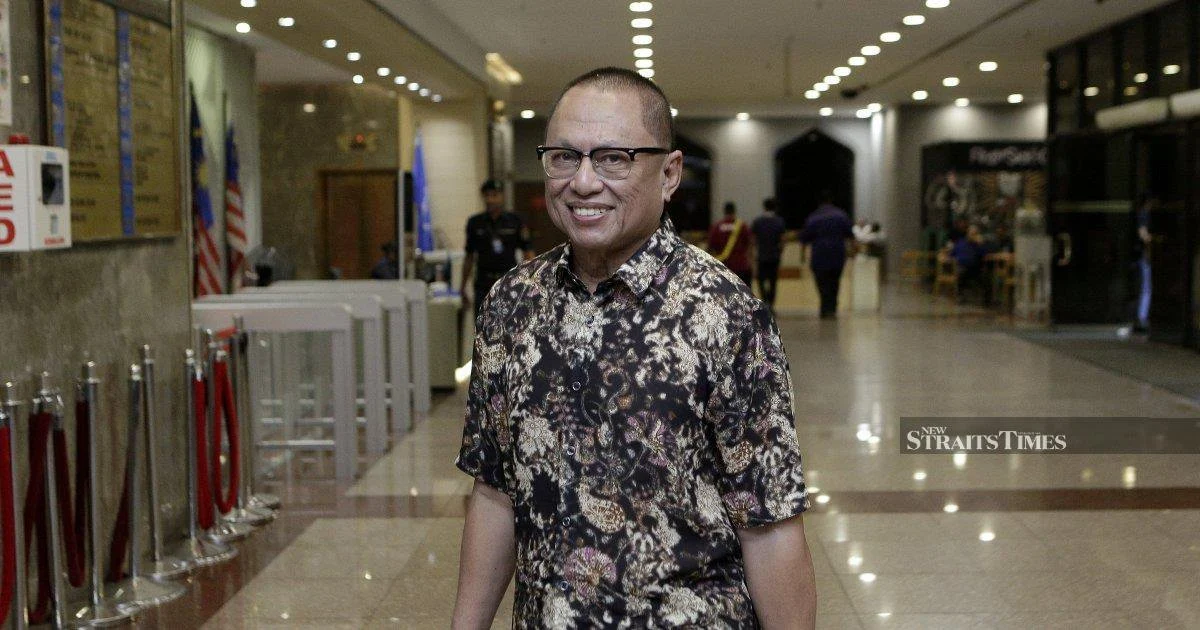
The Royal Malaysian Police have commenced a formal investigation into controversial comments attributed to former Umno stalwart Datuk Dr Mohd Puad Zarkashi, triggered by a nationwide surge of police reports filed against the prominent political figure. The action follows remarks made through social media platforms that have sparked considerable public concern and prompted citizens across the country to lodge formal complaints with law enforcement authorities.
The filing of 153 police reports in a single day underscores the gravity with which many Malaysians have received the alleged statements, signalling significant public sentiment against the former party veteran. This unprecedented volume of complaints has necessitated police intervention, with authorities now examining the nature and implications of the disputed remarks. The investigation represents a notable development in Malaysia's ongoing discourse surrounding responsible public speech among political figures, particularly those with substantial influence within their respective parties and communities.
Datuk Dr Mohd Puad Zarkashi's position as a respected figure within Umno circles adds another layer of significance to this matter. His status as a former veteran of the party means his communications carry particular weight among party members and sympathetic audiences. The decision to examine his social media statements suggests that investigating officers believe the alleged content may have crossed legal or ethical boundaries worthy of formal scrutiny. This development reflects growing expectations that political personalities, regardless of their veteran status, must exercise caution in their public communications.
The term "3R" referenced in the context of these complaints requires careful examination, as it appears to encapsulate the core concern driving public reaction. Without explicit clarity from official sources, the precise nature of what constitutes the problematic aspects of these remarks remains subject to interpretation. Nevertheless, the sheer number of reports indicates that substantial segments of Malaysian society perceived the content as sufficiently troubling to warrant police notification. This widespread mobilisation suggests coordinated concern rather than isolated grievance, though the motivations behind the filing pattern warrant consideration.
From a procedural standpoint, the investigation will likely involve digital forensics specialists examining the social media platforms where the statements allegedly appeared, along with detailed review of the specific wording used and any accompanying context. Police will need to determine whether any statements violated existing legislation, including laws pertaining to sedition, defamation, or other criminal statutes. The investigation's scope will probably extend beyond merely confirming the existence of such posts to assessing their potential legal implications under Malaysian law.
This incident occurs within a broader context of Malaysian politics where online discourse has become increasingly contentious. Political figures across the spectrum have faced heightened scrutiny regarding their social media activities, with the line between legitimate political expression and legally problematic statements remaining subject to ongoing debate. The Puad Zarkashi matter exemplifies how rapidly public concern can escalate in the digital age, where inflammatory comments can spread extensively within hours and trigger coordinated responses from citizens.
For the Umno party specifically, this development presents a delicate situation requiring careful navigation. As a political organisation with its own mechanisms for internal discipline and accountability, Umno faces implicit pressure to respond to the concerns that prompted the police reports. The party must balance protecting the reputation and dignity of one of its veteran members against the apparent public sentiment reflected in the wave of complaints. Leadership decisions regarding party statements or actions concerning Datuk Dr Mohd Puad Zarkashi will likely face close scrutiny from both supporters and critics.
The investigation's outcome carries implications extending beyond the individual concerned. Depending on what police determine regarding the alleged statements, the case could establish precedents regarding the bounds of acceptable speech for political personalities in Malaysia. Conversely, if the investigation concludes that the statements remain within legal parameters despite public disapproval, it will reinforce distinctions between politically unpopular speech and legally problematic conduct. Either outcome will contribute to evolving standards governing political discourse in the country.
For Malaysian citizens and observers, this development reinforces the ongoing tension between freedom of expression and community standards regarding responsible public communication. The substantial number of police reports reflects concern that certain remarks transgressed acceptable norms, yet the outcome of the investigation will determine whether legal mechanisms appropriately address such concerns or whether alternative approaches—including party discipline, public debate, or media commentary—represent more suitable responses.
As the police investigation proceeds, attention will likely focus on whether authorities determine sufficient evidence exists to pursue formal charges or whether the matter concludes with administrative closure. The transparency and fairness of this process will matter considerably for public confidence in law enforcement's handling of politically sensitive matters. Additionally, the timeline for the investigation's completion remains significant, as prolonged proceedings could sustain political tensions while swift resolution might raise questions about investigative thoroughness.
This incident serves as a contemporary illustration of how Malaysian politics continues navigating digital-age challenges, where social media activities by public figures can trigger rapid grassroots responses and formal government action within remarkably compressed timeframes. The case demonstrates that political reputation and legal liability increasingly intersect online, requiring political leaders to exercise particular caution in their communications across digital platforms.

