Malaysia's police force received 90 reports throughout the recent election campaign period, resulting in the opening of 25 investigation papers, according to Inspector-General of Police Khalid Ismail. The disclosure underscores the enforcement challenges authorities face during heightened political activity, when public involvement and contentious messaging typically surge across the nation.
Khalid Ismail has moved to downplay concerns about the scale of reported incidents, characterising the bulk of complaints as involving relatively minor matters rather than systematic issues targeting specific political organisations or their representatives. The Inspector-General's characterisation suggests that the police framework successfully managed the campaign environment without encountering widespread or organised misconduct tied directly to electoral participants.
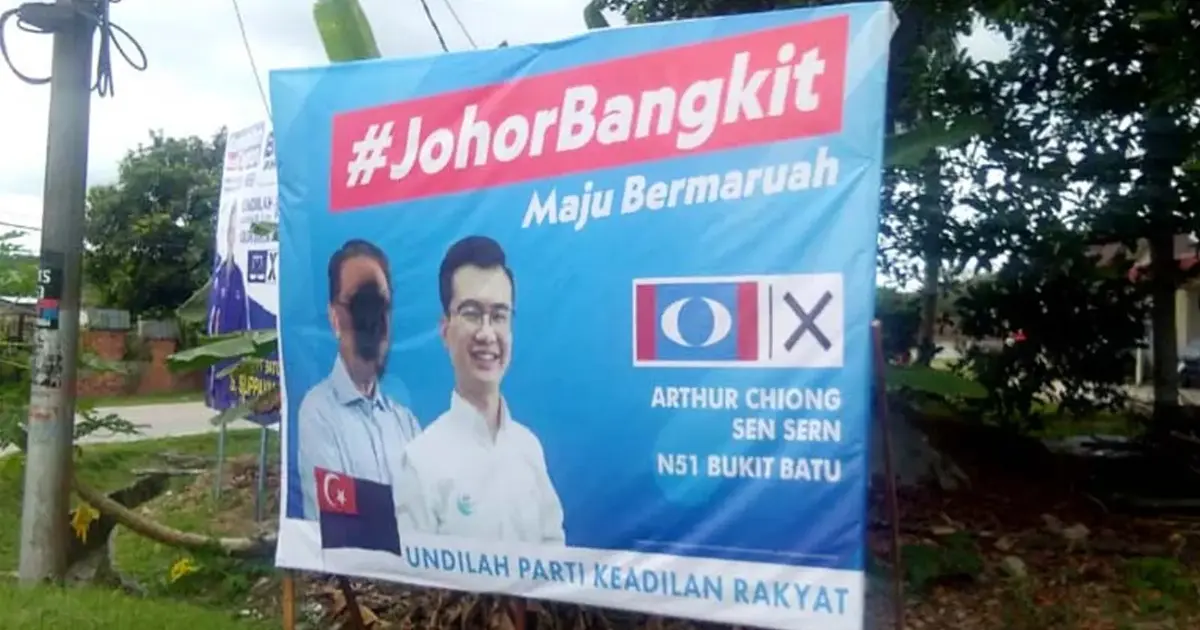
Vandalism emerged as a recurrent theme among the cases documented during this period. Such infractions, typically involving defacement of public or private property—often through the removal or destruction of campaign materials, billboards, and signage—constitute the majority of complaints lodged with authorities. These incidents, while frustrating for those targeted, reflect routine friction inherent to competitive electoral contests rather than exceptional security breaches.
The decision to open investigation papers for 25 of the 90 reported cases indicates that police filtered complaints through preliminary assessment procedures, advancing only those matters meeting evidentiary thresholds or legal sufficiency standards. This selective progression demonstrates institutional gatekeeping mechanisms designed to distinguish between actionable violations and minor disputes unlikely to warrant formal prosecution.
For Malaysian voters and observers of electoral governance, the figures carry distinct implications. The comparative modesty of the police reporting rate—measured against the intensity of campaign activity across multiple constituencies—could signal either effective self-regulation by political actors or consistent police capacity to manage election-related conduct. Conversely, the absolute number of incidents, while framed as trivial, hints at friction points that merit closer institutional attention, particularly regarding public order and property protection during campaign seasons.
The context of police management during campaigns matters significantly in Southeast Asia, where electoral integrity intersects with public safety and political trust. Malaysia's experience reflects broader regional patterns wherein campaign seasons generate friction between competing interests—including supporters, independent actors, and property owners—without necessarily crossing thresholds into serious criminal conduct. The police response thus becomes an indicator of democratic health: proportionate enforcement that neither criminalises routine political expression nor tolerates genuine misconduct.
Khalid Ismail's explicit statement that cases do not target parties or candidates addresses a distinct concern common in emerging democracies: selective prosecution. By publicly asserting that enforcement action remains neutral across political competitors, the Inspector-General seeks to establish legitimacy for police conduct during a politically charged period. Such assurances carry weight, though they remain contingent on transparent investigative processes and consistent application across all political entities.
The vandalism-heavy profile of reported incidents reflects the inherent messiness of distributed campaign activity. Thousands of individuals, spanning multiple organisations and informal networks, participate in placing campaign materials, organising events, and competing for public attention. Within this sprawling ecosystem, violations of local ordinances, property rights, and public conduct standards inevitably emerge. Police enforcement consequently serves a cleansing function, removing unauthorised materials and addressing disorderly conduct.
From a regulatory standpoint, the 90 reports and 25 investigation papers illuminate patterns that shape how Malaysian law enforcement resources deploy during elections. Understanding which infractions trigger police response, which advance to investigation, and which ultimately result in charges informs electoral actors' calculus regarding campaign conduct. Clear, consistent patterns encourage compliance; ambiguous or seemingly arbitrary enforcement generates friction and allegations of bias.
The management of campaign-period policing also reflects broader institutional maturity within Malaysia's security apparatus. Rather than deploying overwhelming force or initiating mass prosecutions during politically sensitive periods, police have historically calibrated responses to maintain order without appearing to favour particular candidates or parties. This balancing act, evident in Khalid Ismail's characterisation of reported matters, underpins public confidence in election administration.
Moving forward, the documented incidents during this campaign period offer baseline data for assessing electoral governance across future contests. If subsequent elections generate comparable or reduced report volumes, authorities can argue that standards-based enforcement remains consistent and proportionate. Conversely, significant escalation would signal either deteriorating campaign conduct or shifting police priorities, both meriting scrutiny.
For regional observers monitoring Malaysian electoral development, the police management of campaign infractions provides one metric among several for evaluating democratic health. Alongside candidate and party behaviour, media conduct, and voter participation, law enforcement's response to campaign-period disruptions contributes to broader assessments of institutional functionality and democratic resilience within Southeast Asia's largest English-speaking democracy.

