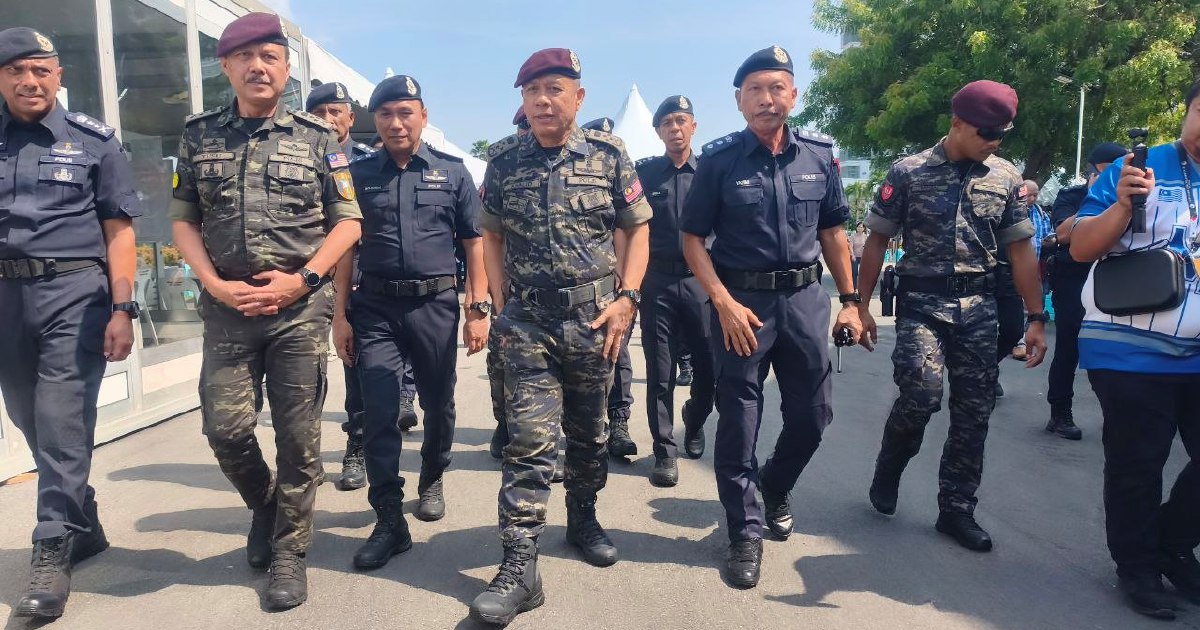
Police authorities in Negri Sembilan documented a substantial volume of complaints throughout the state election campaign period, with the Inspector-General of Police Tan Sri Mohd Khalid Ismail revealing that 92 reports were filed and 24 investigation papers formally opened by the time the electoral campaign concluded at midnight.
The disclosure of these figures comes as election monitoring agencies and law enforcement officials across the nation maintain heightened vigilance during campaign seasons. The Negri Sembilan state election represents a significant electoral exercise within Malaysia's federal framework, as the state assembly contests shape regional governance and demonstrate voting patterns that often carry implications for national political trends.
The nature of complaints typically received during election campaigns spans a wide spectrum. These may encompass allegations of electoral fraud, breaches of campaign financing regulations, unlawful solicitation of votes, distribution of prohibited materials, intimidation of voters, and violations of election advertising codes. Each category of complaint requires careful documentation and varying levels of investigative scrutiny, with some matters progressing to full formal inquiries while others may be resolved through administrative channels.
The conversion rate of reports to investigations—approximately 26 per cent of complaints filed resulting in opened investigation papers—suggests a filtering process where police and election authorities assessed the gravity and substantiability of claims before commencing formal probes. This selective progression reflects standard investigative procedure, whereby preliminary assessment determines whether allegations contain sufficient detail and evidence to warrant resource-intensive formal investigations.
Negri Sembilan, located in Malaysia's central region and home to around 1.1 million residents, has emerged as a state where electoral contests frequently attract national attention. The state's political landscape has experienced notable shifts in recent years, with voter sentiment reflecting broader patterns observable across Malaysia's electoral territories. State-level elections serve as important barometers for assessing public confidence in governance and policy implementation at the regional level.
Election campaign periods, typically spanning two to three weeks before polling day, represent legally defined windows during which candidates and political parties engage in intensive outreach activities. Malaysian election law imposes strict regulations governing campaign conduct, including restrictions on spending, limitations on rally sizes, and prohibitions against certain forms of campaigning near polling centres. These regulatory frameworks exist to ensure electoral integrity and maintain fair competition among contenders.
The role of law enforcement during elections has become increasingly scrutinised by international observers and domestic watchdog organisations. Malaysian police forces must balance the imperatives of investigating genuine violations against ensuring that investigations remain apolitical and procedurally sound. The opening of 24 investigation papers during a state election campaign underscores the ongoing operational demands placed on police resources during electorally sensitive periods.
Comparative analysis with previous Negri Sembilan elections and concurrent investigations in other states may provide context for whether these figures represent typical patterns or anomalies. Election cycle dynamics, voter mobilisation intensity, and the number of competing candidates all influence complaint volumes. Additionally, public awareness campaigns promoting reporting of electoral irregularities can affect how many citizens lodge complaints, regardless of underlying violation frequencies.
The transparency with which the Inspector-General disclosed these statistics reflects evolving expectations around electoral administration accountability. Malaysian voters and international observers increasingly expect official confirmation that electoral processes are monitored rigorously and that deviations from prescribed conduct are investigated systematically. Public disclosure of investigation numbers serves both to document procedural adherence and to demonstrate institutional responsiveness to electoral impropriety.
For Malaysian businesses and investors, electoral periods carry indirect significance. State elections influence local governance policies affecting commerce, licensing, and infrastructure development. Election-related instability or concerns about governmental legitimacy can create uncertainty that impacts business confidence and investment decisions within affected regions. The professional handling of electoral investigations thus carries economic implications beyond purely political considerations.
Moving forward, the outcomes of these 24 investigations will likely shape perceptions regarding electoral conduct standards within Negri Sembilan and nationally. Should investigations yield prosecutions and convictions, they reinforce deterrence against future violations. Conversely, investigations that fail to substantiate complaints may generate concerns about either overzealous reporting or insufficient evidence-gathering during preliminary assessment phases.
The election commission and law enforcement agencies continue refining protocols for managing complaint streams during campaigns, balancing rapid response capabilities against thorough investigative standards. Digital reporting platforms and enhanced coordination mechanisms between electoral authorities and police have gradually improved response times and documentation quality across multiple election cycles. These institutional improvements incrementally strengthen the infrastructure supporting electoral integrity across Malaysia's diverse constituencies.

