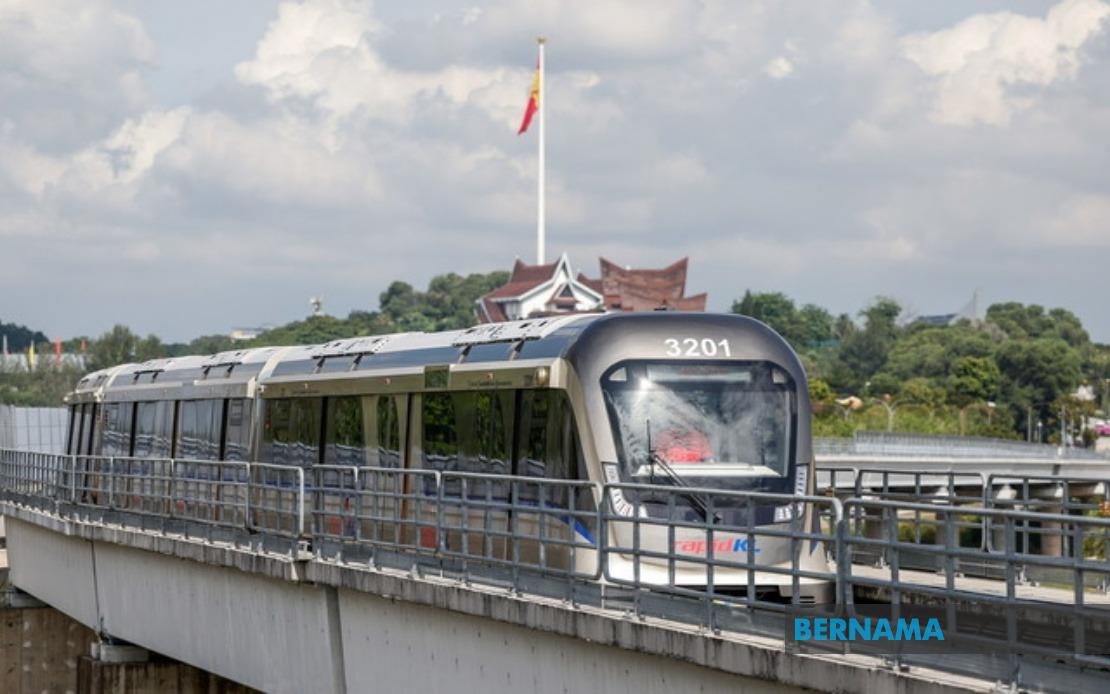
Prime Minister Datuk Seri Anwar Ibrahim will preside over the official launch of the Light Rail Transit 3 (LRT3) Shah Alam Line on Sunday, June 28, marking the completion of a major public transport infrastructure project that has been years in development. The 37.8-kilometre route, stretching from Bandar Utama to Johan Setia, is designed to serve approximately two million residents across its corridor, significantly expanding transit connectivity in the Selangor region.
According to Shah Alam line chief Mohd Ariffin Idris, the Prime Minister will use the launch ceremony to announce both the commercial opening date and commencement time for passenger service on the 20-station network. This announcement has been eagerly anticipated by commuters and stakeholders who have monitored the project's progress over the construction period.
The Shah Alam Line incorporates 20 stations strategically positioned to maximise accessibility across the metropolitan area. The first segment includes Bandar Utama, Kayu Ara, BU 11, Damansara Idaman, Subang, Glenmarie 2, Kerjaya, Stadium Shah Alam, Dato' Menteri, and UiTM Shah Alam. The remaining portion of the route encompasses Seksyen 7 Shah Alam, Bandar Baru Klang, Pasar Klang, Jalan Meru, Jambatan Kota, Taman Selatan, Seri Andalas, Klang Jaya, Bandar Bukit Tinggi, and Johan Setia, creating a comprehensive network that addresses both residential and commercial areas.
Integration with existing transit infrastructure has been a cornerstone of the project's design philosophy. The new line will enable seamless transfers to the Kajang Line at Bandar Utama and connections to the Kelana Jaya Line at Glenmarie 2, consolidating the greater Klang Valley's light rail network into a more cohesive system. This interconnected approach allows passengers to navigate the region without relying exclusively on private vehicles.
To enhance the overall mobility experience, Prasarana has deployed comprehensive feeder services comprising 40 buses operating across 13 designated routes with 323 stops. These feeder buses charge a uniform fare of RM1 per journey and operate from 6 am until 11.30 pm, providing last-mile connectivity to communities beyond walking distance of stations. Additionally, a fleet of 44 rapid on-demand vans services 20 zones throughout the corridor at RM2 per trip during equivalent operating hours. According to Mohd Ariffin, both feeder bus routes and van services will undergo refinement based on actual commuter demand patterns once regular operations commence.
For commuters utilising private vehicles, parking facilities are available at six stations: Kayu Ara, Damansara Idaman, Pasar Besar Klang, Sri Andalas, Bandar Bukit Tinggi, and Johan Setia, collectively offering 2,300 parking bays. This park-and-ride infrastructure recognises that many commuters will transition from cars to rail transit, particularly during peak morning and evening periods.
Prasarana's operational projections indicate conservative but ambitious growth targets for the network. The operator anticipates attracting 67,000 daily passengers during the first operational year, scaling to approximately 117,708 daily passengers within five years as the community becomes accustomed to the new service and land development intensifies along the corridor.
Environmental sustainability has been embedded into the project's technical and architectural specifications. The light rail vehicles utilise inverter-based air conditioning systems that consume significantly less electrical power than conventional alternatives, whilst stations incorporate intelligent cooling mechanisms designed to minimise energy demands. Station architecture emphasises natural ventilation and daylighting, reducing dependency on artificial climate control throughout operating hours.
Accessibility provisions reflect contemporary standards for inclusive public transport. All stations have been outfitted with wheelchair ramps and disability-compliant toilet facilities, whilst each train carriage reserves dedicated seating for passengers with mobility challenges. These design considerations ensure that the Shah Alam Line serves not only the general commuting population but also vulnerable and disabled community members who depend heavily on public transport infrastructure.
The Shah Alam Line's completion represents the third phase of an integrated rapid transit strategy for the Klang Valley. Five additional stations—Tropicana, Raja Muda, Temasya, Bukit Raja, and Bandar Botanik—remain under reconstruction as part of ongoing line improvements. Mohd Ariffin confirmed that construction work on these stations will commence by the end of 2024, indicating that the project's development trajectory will continue beyond the current launch phase.
For Malaysian commuters and urban planners, the Shah Alam Line's opening exemplifies how major metropolitan areas can diversify transport options and reduce urban congestion through strategic rail infrastructure investment. The project's emphasis on feeder connectivity, parking integration, and accessibility standards provides a practical model that other Malaysian cities could adapt to their own transit development programmes. The line's success will be closely monitored by regional stakeholders assessing the feasibility of similar transit expansions in other growth corridors throughout Southeast Asia.

