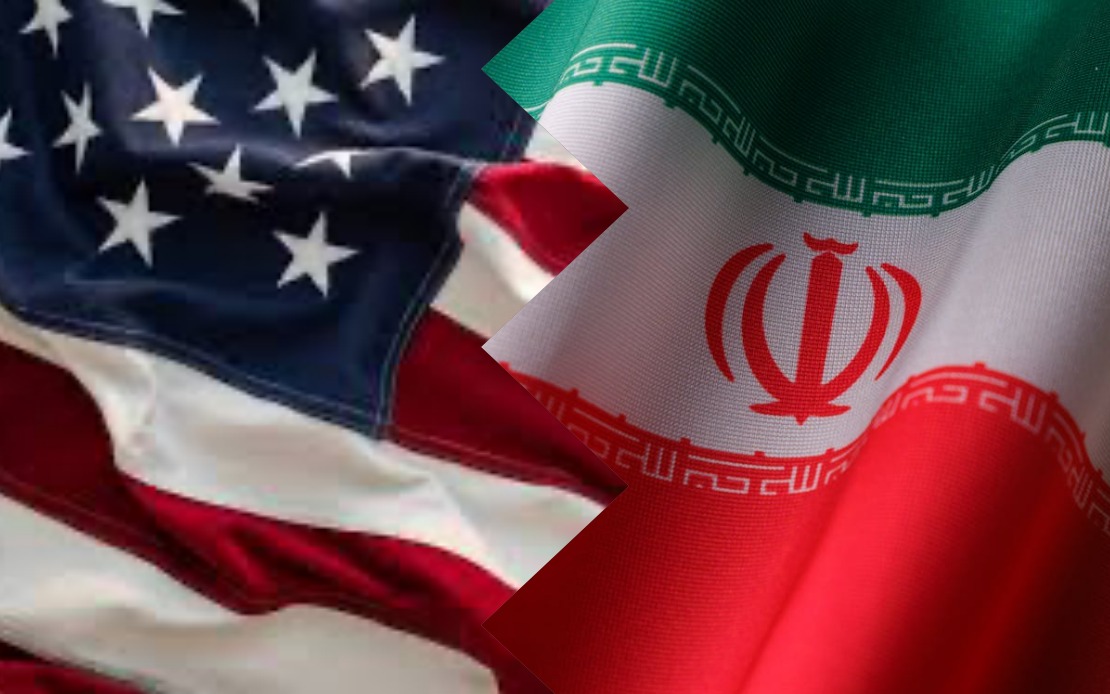
Qatar's top diplomat has launched a diplomatic initiative to rally Gulf Cooperation Council members around a stalled US-Iran accord, reflecting the urgent need for coordinated regional response to Middle East instability. Prime Minister and Foreign Minister Sheikh Mohammed bin Abdulrahman Al Thani initiated a series of consultations with counterparts across the UAE, Saudi Arabia, Kuwait, Oman and Bahrain, seeking consensus on how to move forward with implementing the memorandum of understanding between Washington and Tehran.
The timing of Qatar's outreach underscores the fragile state of affairs in the Gulf region following recent military escalations. What had appeared to be a promising diplomatic breakthrough earlier in the year has unravelled, leaving policymakers scrambling to prevent further deterioration. The collapse of the June accord last month followed nearly two weeks of tit-for-tat attacks between the US and Iran, a cycle that threatens regional security and the economic interests of Gulf trading nations heavily dependent on stability.
At the heart of Qatar's diplomatic push is a recognition that no single Gulf state can effectively pressure both Washington and Tehran toward renewed compliance with the memorandum. The agreement itself addresses several core security concerns: it commits both powers to end their military conflict, establish mechanisms for lasting peace, and critically, maintain freedom of navigation through the Strait of Hormuz. This shipping lane remains vital to global energy supplies and regional commerce, making its security a shared Gulf interest rather than a bilateral matter between the US and Iran.
Qatar's position as a mediator and dialogue facilitator gives it particular standing to convene such discussions. The country has invested significantly in its regional diplomatic profile, hosting international forums and maintaining channels with various parties. By bringing together traditional rivals within the Gulf framework—notably Saudi Arabia and the UAE alongside smaller states like Kuwait, Oman and Bahrain—Qatar is attempting to create diplomatic weight that individual capitals cannot muster alone. The inclusion of Oman, a nation known for discreet back-channel diplomacy with Iran, suggests Qatari strategy extends to leveraging each state's unique relationships.
The memorandum itself emerged from months of tension that began with US and Israeli military strikes against Iran in February, which provoked immediate Iranian retaliation. The subsequent April ceasefire offered hope for de-escalation, and the June accord mediated by Pakistan appeared to represent substantial progress toward conflict resolution. However, the agreement's collapse highlights the fragility of arrangements that depend on sustained political will from powers with competing strategic objectives and domestic constituencies demanding confrontation.
For Southeast Asian nations and Malaysia in particular, this regional volatility carries direct implications. The Strait of Hormuz remains crucial for regional shipping and energy security, with significant amounts of petroleum and liquefied natural gas transiting the waterway bound for East Asian markets. Disruptions to freedom of navigation in these waters translate into supply disruptions and price volatility affecting Malaysia's economy. Beyond energy concerns, regional instability encourages military buildups and security competition that can eventually draw in external powers, destabilising the broader Indo-Pacific in which Malaysia operates.
Al Thani's emphasis on dialogue and diplomacy reflects a broader Gulf understanding that military escalation serves no party's interests. His insistence that all actors remain committed to implementing the memorandum's provisions represents an effort to reframe the agreement not as a victory for one side but as a framework for mutual benefit. The specific focus on the Strait of Hormuz reflects how the dispute, though rooted in US-Iran tensions, affects every maritime nation with commerce in the region.
The challenge facing Qatar and its Gulf partners involves not merely encouraging adherence to an existing agreement but persuading two major powers to view renewed compliance as preferable to the current cycle of hostilities. The US and Iran each bring profound grievances and domestic political calculations to the table. Tehran views American withdrawal from earlier nuclear agreements as evidence of bad faith, while Washington maintains deep scepticism about Iranian compliance and intentions. Rebuilding trust sufficient to resurrect the June accord requires not just Gulf pressure but credible guarantees and verification mechanisms that neither power currently appears confident will hold.
Qatar's diplomatic initiative also responds to the broader Gulf interest in preventing further militarisation and confrontation. Smaller states like Kuwait, Bahrain and Oman bear disproportionate risks from renewed US-Iran conflict, given geographical proximity and limited military capacity. Saudi Arabia and the UAE, despite greater regional power, have reasons to prefer stability over another cycle of escalation that diverts resources from internal development and economic diversification. The coordination Qatar seeks aims to present unified Gulf messaging that prioritises stability and prosperity over sectarian or geopolitical competition.
Looking forward, the success of Qatar's initiative depends on whether coordinated Gulf pressure can actually influence US and Iranian decision-making. Both powers have shown willingness to absorb diplomatic pressure from regional allies before, yet both also pursue strategic interests that sometimes diverge from Gulf preferences. The memorandum's provisions represent a significant accomplishment, but implementation requires sustained commitment precisely when political incentives for backsliding remain substantial. Qatar's diplomatic outreach represents a necessary step, yet whether it yields concrete results remains uncertain.

