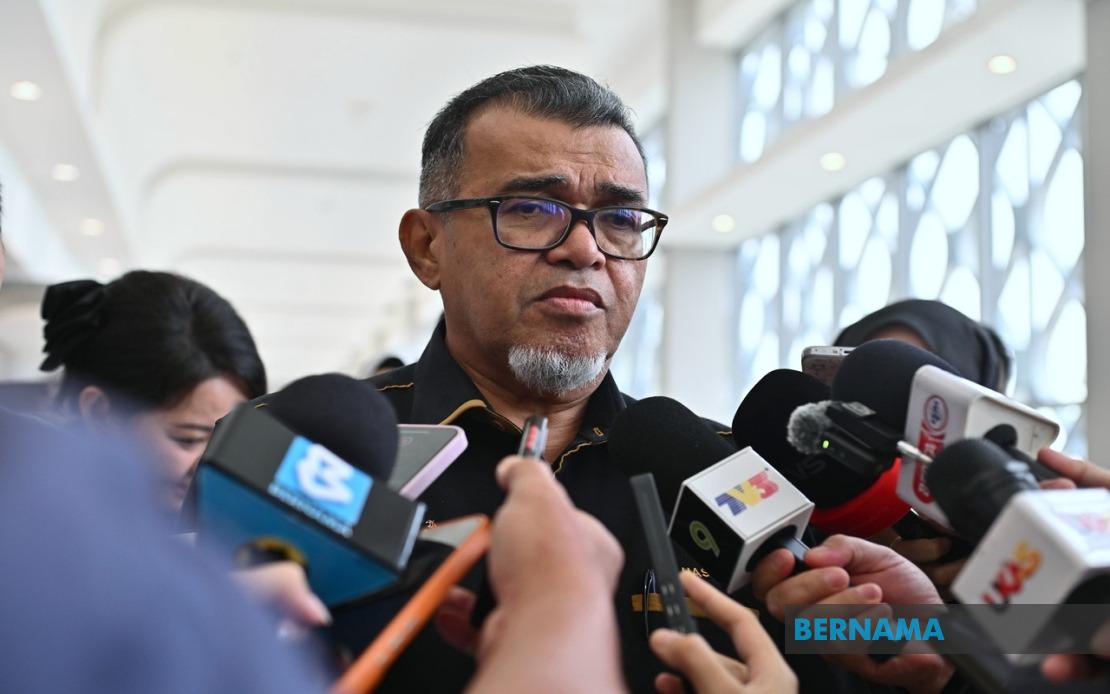
The Federal Government has committed RM30 million towards modernising Short Take-Off and Landing (STOL) airports in Long Banga and Ba'kelalan, two rural communities in Sarawak that currently depend heavily on small-scale aviation for connectivity. Deputy Transport Minister Datuk Hasbi Habibollah announced the initiative, which allocates RM15 million to each facility, signalling a fresh push to narrow infrastructure gaps between Malaysia's urban centres and peripheral regions.
These STOL airports serve critical roles in the nation's aviation network, particularly in Sarawak where challenging terrain and sparse population density make conventional airport development impractical. Long Banga and Ba'kelalan, situated in interior regions with limited road access, rely almost entirely on these facilities to maintain passenger and cargo connections with more developed towns. The current infrastructure has proven increasingly constraining, with existing Twin Otter aircraft operating the routes limited to carrying small passenger loads per flight, creating bottlenecks for locals seeking medical treatment, business opportunities, or family visits elsewhere in the state.
The allocation reflects a deliberate policy shift under the MADANI framework to prioritise rural development and ensure equitable service delivery across Malaysia's diverse geography. Deputy Minister Habibollah emphasised that upgrading these facilities aligns with contemporary transportation standards whilst addressing the specific needs of remote populations. This philosophy acknowledges that adequate aviation infrastructure in rural areas is not merely a convenience but an economic enabler and social necessity, particularly for communities where alternative transport modes are impractical or non-existent.
Runway extension stands out as the primary focus of the upgrade programme. Current landing strips are sufficiently short to restrict operations to lightweight aircraft, limiting both passenger capacity and cargo potential. Lengthening these runways would allow deployment of larger regional aircraft such as the Bombardier Dash 8 or ATR turboprops, each capable of carrying 40-50 passengers compared to the Twin Otter's 14-seat configuration. This expansion could fundamentally reshape accessibility for residents, enabling more frequent services and reducing aircraft operating costs through improved economies of scale.
Beyond runway works, the investment encompasses facility improvements essential for modern aviation operations. These typically include enhanced terminal buildings, improved navigation and safety equipment, drainage systems suited to Sarawak's tropical climate, and better passenger amenities. Such upgrades reflect international aviation standards whilst being calibrated to the modest scale of rural operations. The combined effect would elevate these airports from basic bush strips to functional regional transport hubs capable of supporting modest commercial activity.
Sarawak's geography necessitates sustained investment in remote aviation infrastructure. The state encompasses vast interior regions where riverine transport and small aircraft remain the primary connectivity options for populations numbering in the thousands. Without proactive government support, STOL airports risk falling into disrepair, further isolating communities and constraining economic development opportunities. The RM30 million commitment acknowledges this reality whilst demonstrating federal willingness to allocate resources where conventional airport models prove unviable.
The timing of this announcement, coming during the National MADANI Taxi Renewal Programme, underscores the government's broader commitment to infrastructure modernisation across Sarawak. The MADANI framework emphasises inclusive development, and transport investments in remote areas represent a tangible expression of this philosophy. By simultaneously addressing taxi renewal and airport upgrades, policymakers signal coordinated attention to transportation challenges affecting both urban and rural populations.
Implementation challenges merit consideration. Sarawak's climate imposes significant maintenance demands on infrastructure, particularly during monsoon seasons when heavy rainfall can compromise runway surfaces and drainage systems. Construction access itself presents logistical difficulties, requiring careful planning to deliver materials and equipment to remote locations. Yet these complexities have become routine for Malaysian infrastructure developers operating in Sarawak, suggesting the RM30 million allocation should prove sufficient for competent execution.
Economic implications extend beyond transport convenience. Improved airport capacity typically stimulates modest commercial activity in surrounding areas, potentially attracting small businesses, agricultural marketing operations, and light manufacturing ventures that depend on regular air freight services. Residents gain improved access to tertiary healthcare facilities in Kuching and Sibu, potentially reducing mortality and morbidity in remote populations. The psychological benefit of reduced isolation should not be discounted either, as reliable transport connectivity improves quality of life and reduces emigration pressures on young adults.
Regional context matters. Brunei has invested substantially in maintaining robust aviation infrastructure linking interior settlements with coastal population centres, creating a development template relevant to Sarawak. The RM30 million commitment suggests Malaysian policymakers recognise that comparable investment is necessary to prevent widening development disparities within the state and maintain social cohesion across diverse communities.
Longer-term implications warrant monitoring. If the Long Banga and Ba'kelalan upgrades succeed in stimulating connectivity improvements and supporting modest economic activity, the template could be replicated elsewhere in Sarawak's interior where STOL airports remain underutilised due to capacity limitations. Systematic upgrading of the state's STOL network would constitute a major quality-of-life improvement for tens of thousands of residents currently experiencing restricted mobility and economic opportunity.
The allocation represents pragmatic governance acknowledging that Malaysia's development agenda cannot neglect populations in remote areas. STOL airports in Long Banga and Ba'kelalan serve essential functions that conventional airports cannot address, making targeted investment not merely desirable but necessary for inclusive national development. Success here could validate a model applicable across Southeast Asia's diverse topography, where many nations grapple with similar challenges of serving dispersed populations in challenging terrain.

