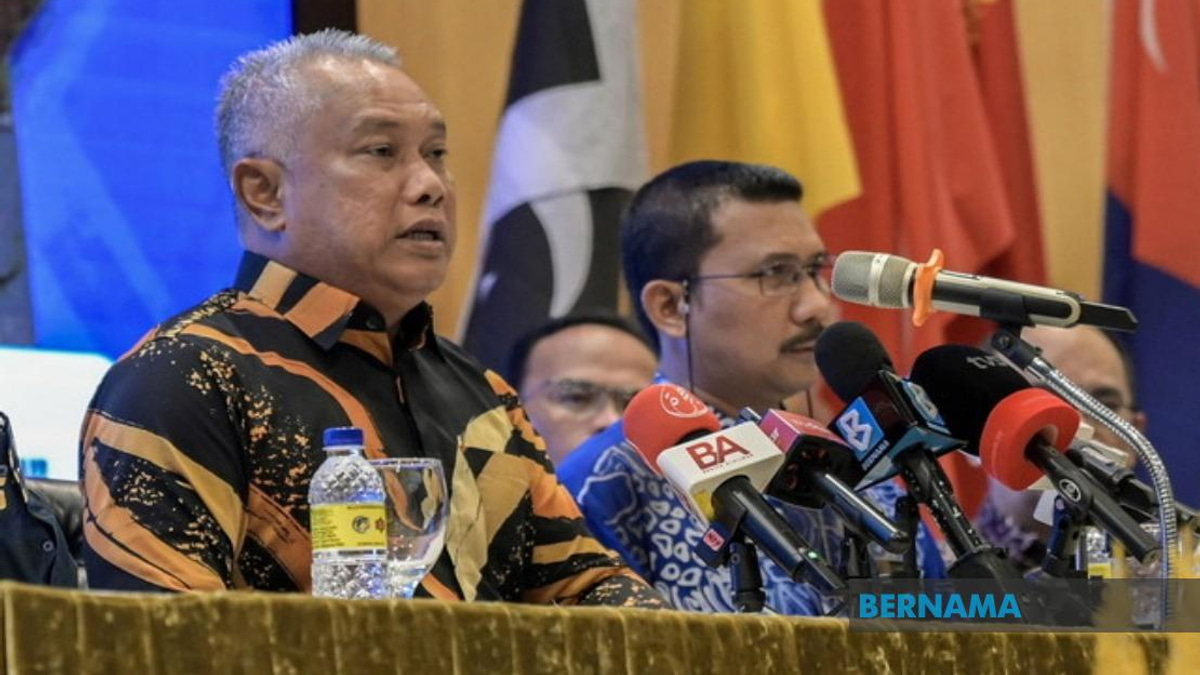
The Royal Malaysian Air Force (RMAF) is grappling with a fundamental capacity problem that undermines its ability to maintain effective surveillance over Malaysia's vast maritime territories. Speaking in Subang, the air force chief articulated a persistent challenge confronting the service: existing equipment and personnel resources fall short of what is needed to achieve continuous, comprehensive monitoring of the country's Exclusive Economic Zone (EEZ). This admission comes at a time when the South China Sea is experiencing heightened geopolitical volatility, with multiple regional powers asserting overlapping territorial claims and stepping up military activities in contested waters.
The RMAF's monitoring challenges reflect broader structural constraints facing Southeast Asian defence establishments in an era of intensifying great-power competition. Malaysia's EEZ encompasses an enormous maritime expanse, yet the air force operates with platforms and systems designed for earlier strategic contexts. The scale of the surveillance mission is daunting: continuous monitoring requires aircraft to maintain operational presence across thousands of square kilometres, a task that demands substantial fleet capacity, advanced sensor technology, and robust logistics infrastructure. Current RMAF assets, while professionally managed, were largely procured decades ago and do not incorporate modern surveillance capabilities that would enable more efficient area coverage.
The geopolitical dimension adds urgency to the RMAF's predicament. The South China Sea has become increasingly contested, with Chinese military assets regularly operating near or within Malaysia's claimed maritime zones. Vietnamese, Philippine, and Singaporean vessels also navigate these waters, sometimes creating friction with Malaysian interests. Without adequate air assets capable of persistent surveillance, the RMAF struggles to provide early warning of unauthorised activities, prevent illicit fishing, respond to environmental incidents, or establish the constant visible presence that underpins maritime sovereignty. The strategic implications are significant: nations that cannot effectively monitor their EEZ are perceived as having weaker claims to these territories, a perception that regional competitors may seek to exploit.
The air force chief's remarks underscore an uncomfortable reality for Malaysian defence planners: modernisation requires substantial capital investment at a time when national budgets face competing pressures. Acquiring new maritime patrol aircraft, establishing additional radar stations, and developing integrated surveillance systems represent significant financial commitments. Options such as acquiring long-range patrol aircraft, unmanned aerial systems, or advanced radar networks could substantially improve RMAF monitoring capabilities, but each represents a multi-billion ringgit expenditure that must be justified within broader defence procurement strategies and competing national priorities.
Regional context amplifies the strategic significance of the RMAF's capability gap. Singapore's Air Force operates advanced Fokker 50 maritime patrol aircraft and has invested heavily in integrated coastal surveillance systems. Indonesia maintains an extensive maritime patrol capability across its vast archipelago. The Philippines, despite resource constraints, has prioritised maritime awareness development. Thailand operates coastal surveillance networks alongside traditional naval assets. By comparison, the RMAF's maritime air assets, while professionally operated, appear modest relative to regional peers and the scale of Malaysia's maritime domain. This gap creates potential vulnerability in the context of regional security competition.
The monitoring challenge extends beyond traditional military surveillance into grey-zone operations that characterise contemporary South China Sea dynamics. Chinese fisheries patrols, research vessels, and coast guard cutters operate within Malaysian-claimed waters with increasing frequency, requiring Malaysian authorities to identify, track, and respond to these activities. Without adequate air assets, distinguishing legitimate commercial activity from calculated sovereignty challenges becomes difficult. The RMAF's limited reconnaissance capability means that numerous incursions may go undetected or unrecorded, undermining Malaysia's documentation of effective maritime administration—a critical element of international law of the sea provisions.
The technological dimension of the surveillance gap deserves particular attention. Modern maritime patrol aircraft incorporate synthetic aperture radar, advanced signal intelligence systems, and integrated data management capabilities that enable rapid identification and tracking of maritime traffic across vast areas. Older platforms, by contrast, rely on visual observation and basic radar, substantially reducing detection range and accuracy. As competitors deploy more sophisticated systems, the relative capability gap widens, potentially placing Malaysian surveillance operations at a disadvantage when responding to incidents or gathering evidence of unauthorised activities.
Financial sustainability presents another layer of complexity. Acquiring new assets represents only the initial investment; operating modern maritime patrol aircraft demands substantial annual funding for fuel, maintenance, pilot training, and sensor upkeep. The RMAF must therefore present not merely acquisition proposals but comprehensive lifecycle cost justifications to gain political support. This requirement often leads to purchasing constraints and extended procurement timelines that limit the force's ability to respond to evolving security challenges.
Domestic implications of the surveillance shortfall merit consideration. Effective maritime monitoring underpins fisheries management, environmental protection, and maritime safety. Malaysian fishermen operating legally within the EEZ benefit from air patrols that deter foreign poaching and piracy. Environmental agencies rely on RMAF reconnaissance to monitor pollution, illegal dumping, and ecological incidents. Coast guard operations depend on air assets for situational awareness during search and rescue missions or response to maritime incidents. The RMAF's capability limitations therefore impose costs across multiple policy domains beyond national security.
The air force chief's candid assessment likely signals an attempt to build political consensus around modernisation requirements. By framing the asset shortage within the context of geopolitical challenge and regional security developments, the RMAF leadership appeals to policymakers' strategic concerns while implicitly requesting budgetary prioritisation. Whether these appeals translate into concrete procurement decisions remains uncertain, particularly given competing demands on defence budgets and the incremental nature of Malaysian defence spending growth.
Addressing the RMAF's maritime surveillance gap would require a multi-platform approach rather than a single silver bullet. Modern maritime patrol aircraft, unmanned aerial systems operating from coastal bases, advanced radar networks, and enhanced data-sharing arrangements with other regional services collectively could substantially improve monitoring effectiveness. Yet implementing such a comprehensive approach demands sustained political commitment and budgetary allocation—challenges that have historically complicated Malaysian defence modernisation efforts.
The strategic imperative for enhanced maritime awareness appears clear, particularly given Malaysia's significant EEZ, its positioning astride major shipping lanes, and the intensifying competition for South China Sea resources and influence. Without adequate air assets to back its maritime claims and fulfil surveillance responsibilities, Malaysia risks appearing as a passive observer in a region where military capability and visible presence increasingly determine strategic influence. The air force chief's assessment thus represents not merely an institutional budgeting argument but a statement with implications for Malaysia's broader regional standing and maritime security posture.