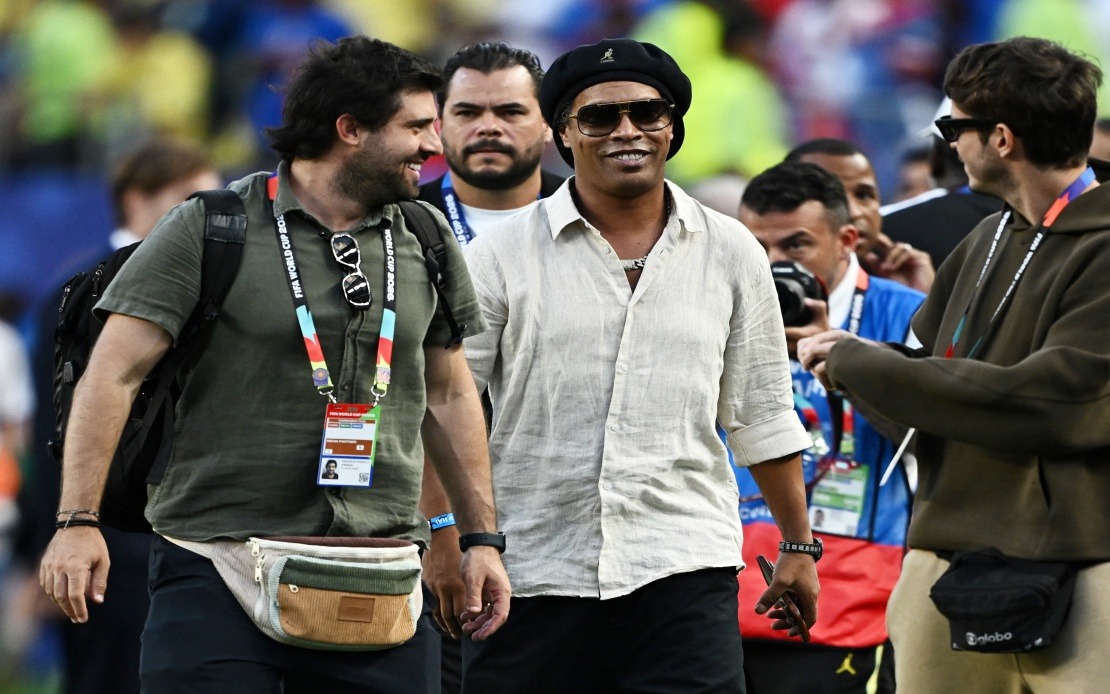
At 46 years old, Ronaldinho appears poised to defy the typical lifespan of a professional football career. The legendary Brazilian has agreed to terms with Ravenna, a club competing in Italy's third division, marking a remarkable return to active football roughly eight years after his last professional outing. The German Press Agency reported the pending arrangement, though questions remain about whether the former World Footballer of the Year will actually take to the pitch, with fuller details expected to surface during an upcoming announcement in Miami.
The prospect of Ronaldinho donning a Ravenna shirt represents far more than a mere footnote in sporting history. It signals an intriguing final chapter for an athlete whose technical brilliance and infectious joy defined an entire era of global football. The 46-year-old's comments reveal genuine enthusiasm for the challenge ahead, with Ronaldinho expressing his eagerness to "dance with the ball again" and collaborate with club owner Ignazio Cipriani, a prominent Italian businessman with significant hotel industry interests. His language suggests more than ceremonial involvement, hinting at a sincere desire to contribute meaningfully to his new side.
Ravenna's leadership appears equally enthusiastic yet cautiously measured in their expectations. Vice-president Ariedo Braida acknowledged the inherent uncertainty surrounding whether Ronaldinho will materialize as an active player rather than remaining a symbolic figurehead. Braida's observation that Ronaldinho "is a champion, he knows no age" captures the club's optimism while simultaneously hedging against potential disappointment. This diplomatic stance reflects the unpredictability inherent in any comeback involving an athlete of advanced age, particularly one working at the professional level despite an extended sabbatical.
Ronaldinho's illustrious career achievements provide context for understanding the audacity of this potential comeback. As a two-time FIFA World Footballer of the Year, he secured the sport's most coveted trophy when Brazil triumphed in the 2002 World Cup. His later exploits saw him claim Champions League glory with Barcelona in 2006 and capture the Copa Libertadores title with Atletico Mineiro in 2013, confirming his status among football's all-time greats across multiple competitions and continents.
The timeline of Ronaldinho's recent years adds perspective to this resurrection attempt. His final professional engagement came in 2015 while playing for Fluminense in Rio de Janeiro, a modest club relative to his Barcelona heyday. Following that stint, he transitioned into India's Premier Futsal League for two separate periods before formally announcing his retirement in 2017. More than half a decade has elapsed since he last competed professionally, making any reintegration into competitive football an extraordinary undertaking regardless of division level.
For Malaysian and Southeast Asian football enthusiasts, Ronaldinho's story carries particular resonance given his global influence on how attacking football is conceived and executed. Generations of young players across the region grew up watching his mesmerizing footwork and audacious finishing. His potential Ravenna appearance, streaming across digital platforms accessible to regional audiences, would offer a final glimpse of a magician whose repertoire shaped modern football aesthetics throughout Southeast Asia and beyond.
The timing of this venture raises intriguing questions about motivation and legacy construction. Ronaldinho, now in his mid-40s and financially secure following a celebrated career, hardly requires additional professional income. Instead, this move appears driven by passion for the sport itself and a desire to maintain relevance within professional football's ecosystem. Whether the comeback succeeds as an active playing situation or functions primarily as a commercial and emotional milestone for both club and legend remains uncertain until official announcements clarify intentions.
Ravenna's third-tier status deserves consideration as well. The Italian third division sits far removed from continental competition, offering Ronaldinho minimal pressure regarding performance metrics or trophy aspirations. Such a context might actually facilitate a successful reintegration, allowing extended playing time without the intensity that accompanies higher-level competition. This strategic positioning could maximize Ronaldinho's ability to contribute meaningfully while managing age-related physical constraints.
The broader implications for professional football merit contemplation too. If Ronaldinho successfully transitions into regular playing status at Ravenna, it may normalize late-career comebacks among other legendary players considering similar moves. Conversely, should the venture prove challenging or symbolic rather than substantive, it might reinforce conventional wisdom regarding the proper conclusion of athletic careers. Either outcome will likely be scrutinized by football commentators globally, with Southeast Asian analysts following developments closely.
Ultimately, Ronaldinho's Ravenna chapter represents more than an eccentric sports story. It embodies the profound love many athletes maintain for their profession extending well beyond the typical competitive window. Whether this comeback materializes as genuine playing involvement or commemorative participation, it offers the global football community a final opportunity to celebrate one of sport's most naturally gifted entertainers, ensuring his legacy extends through yet another iteration.