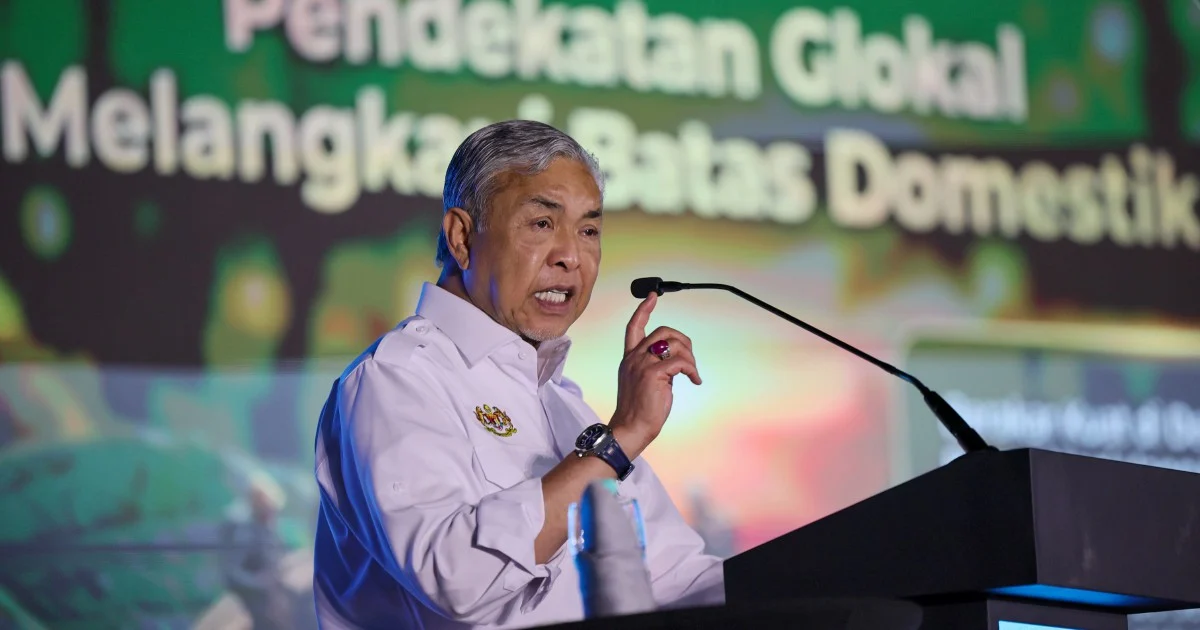
Deputy Prime Minister Datuk Seri Dr Ahmad Zahid Hamidi has outlined an ambitious vision for Malaysian rural development, urging policymakers to view the National Rural Economic Agenda as a foundational framework that will guide the country into a new developmental phase. Speaking in Maran, Zahid stressed that rural expansion cannot proceed in isolation from worldwide economic shifts and international market dynamics, a position that carries significant weight given Malaysia's export-dependent economy and its aspirations to maintain competitive advantage in global value chains.
The emphasis on synchronizing rural growth with the global agenda reflects Malaysia's understanding that isolating rural development from international trends risks creating a two-tiered economy where agricultural and resource-based regions fall further behind more urbanized, globally-integrated hubs. This concern is particularly acute in Southeast Asia, where rural-urban divides have widened substantially over the past decade, contributing to migration pressures and demographic challenges that affect both traditional agricultural communities and burgeoning metropolitan centres. By framing rural development within a global context, Zahid signals that the government intends to equip rural areas with infrastructure, skills, and market access necessary to participate meaningfully in international commerce rather than merely serving domestic consumption.
Malaysia's rural economy encompasses approximately 30 percent of the population but historically accounts for a disproportionately smaller share of national economic output, highlighting long-standing structural imbalances. The National Rural Economic Agenda aims to narrow this gap by leveraging comparative advantages in agriculture, agro-technology, digital connectivity, and tourism while positioning rural communities as active contributors to sectors that enjoy strong international demand. Such integration requires substantial investment in broadband infrastructure, skills training aligned with export-oriented industries, and supply chain development that connects smallholder farmers and rural enterprises directly to global markets rather than through traditional middleman arrangements.
The global context that Zahid references encompasses several interconnected trends shaping economic opportunities and threats for rural regions worldwide. Climate change increasingly influences agricultural productivity and requires adoption of climate-smart farming techniques that demand upfront capital and technical expertise. Simultaneously, digital transformation has created unprecedented opportunities for rural businesses to bypass geographical constraints, enabling direct-to-consumer sales, remote work, and participation in digital services economies previously accessible only to urban concentrations. For Malaysia specifically, emerging areas like sustainable palm oil production, high-value crop cultivation, aquaculture innovation, and eco-tourism represent avenues through which rural areas can capture higher-value market segments while meeting stringent international standards for environmental and social responsibility.
The Deputy Prime Minister's remarks also implicitly acknowledge Malaysia's commitments under various international frameworks and trade agreements that increasingly embed environmental, labour, and governance standards into market access. Rural enterprises seeking to export face rising compliance costs associated with sustainable sourcing certifications, traceability requirements, and labour practice documentation. Without deliberate policy integration of these global standards into rural development planning, smallholder producers risk exclusion from premium international markets despite producing commodities that meet quality specifications. The National Rural Economic Agenda, therefore, should incorporate capacity-building components that help rural stakeholders navigate and eventually leverage these international frameworks as competitive advantages rather than burdensome regulations.
Investment in rural digital infrastructure emerges as particularly crucial for achieving the simultaneous goals of rural development and global economic integration. High-speed broadband connectivity enables rural entrepreneurs to access e-commerce platforms, participate in remote education and skills training, and utilize financial technology services that previously required travel to urban centres. For agricultural producers, digital tools facilitate real-time market price information, precision farming techniques, and direct connections with international buyers, eliminating information asymmetries that traditionally disadvantaged rural suppliers. Malaysia's position as a digital economy leader in Southeast Asia provides a foundation upon which rural digital integration could be accelerated, though persistent infrastructure gaps in remote areas remain significant obstacles.
The conversation around rural development also intersects with Malaysia's broader economic diversification agenda. As traditional manufacturing and petrochemicals face disruption from technological change and shifting global comparative advantage, rural areas with entrepreneurial populations and natural resource bases represent potential centres of innovation and value creation. Supporting rural innovation ecosystems through technology transfer, venture capital access, and incubation support could generate employment alternatives to agricultural wage labour, particularly for younger cohorts seeking to remain in or return to their home communities. This addresses demographic concerns facing many rural regions while potentially generating the high-value-added economic activity necessary for sustainable long-term growth.
Regional cooperation within Southeast Asia also features prominently in considerations of rural development aligned with global agendas. The ASEAN Economic Community framework creates opportunities for rural businesses to access wider regional markets, while also intensifying competition from neighbouring countries with lower labour costs or natural resource advantages. Malaysian rural policy must therefore emphasize quality differentiation, innovation, and premium positioning rather than competing on low-cost commodity production alone. This requires conscious policy choices to invest in research and development relevant to rural industries, facilitate technology adoption, and build brands that command price premiums in international markets.
Zahid's statement fundamentally reframes rural development from a social welfare or poverty-alleviation issue into an economic growth opportunity with national significance. By positioning the National Rural Economic Agenda as a vehicle for aligning rural expansion with global economic currents, the government signals that rural areas are integral to national competitiveness rather than peripheral concerns requiring subsidies or protective policies. This reorientation, if implemented comprehensively, could catalyze substantial improvements in rural living standards while strengthening Malaysia's overall economic resilience and international market position.

