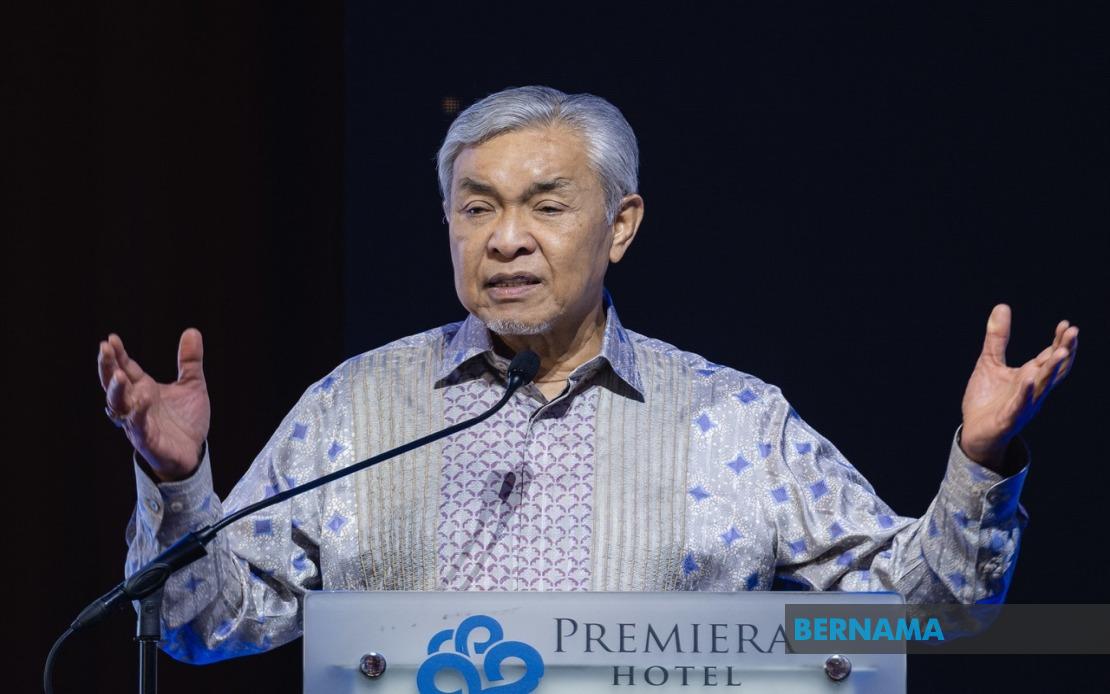
Deputy Prime Minister Datuk Seri Dr Ahmad Zahid Hamidi has signalled that the government will evaluate proposals for constructing new rural roads in Sabah and Sarawak for potential funding through Budget 2027, with a particular focus on areas that remain disconnected from major urban centres. The announcement, made at the Ministry of Rural and Regional Development's annual awards ceremony in Kuala Lumpur, reflects the administration's continued commitment to addressing infrastructure gaps in the two largest Malaysian states, where significant portions of the population still depend on inadequate transport networks.
As both Deputy Prime Minister and Minister of Rural and Regional Development, Ahmad Zahid emphasised that rural road construction falls squarely within his ministry's mandate to bridge remote communities with established towns and settlements. The government recognises that without adequate road infrastructure, rural residents face considerable obstacles in accessing essential services, employment opportunities, and markets for their goods. This connectivity challenge has long been identified as a critical constraint on socioeconomic development across both Sabah and Sarawak, where vast distances and difficult terrain have historically limited development progress.
However, Ahmad Zahid was careful to note that any new infrastructure initiatives remain contingent on approval processes established by the Ministry of Finance and the Public Works Department, indicating that political commitment alone does not guarantee funding allocation. The pathway from proposal to implementation requires navigating established bureaucratic frameworks designed to ensure fiscal responsibility and proper project vetting. His ministry intends to complete consultation with relevant stakeholders before formally presenting detailed proposals for budget consideration, suggesting a structured approach rather than ad hoc allocation.
The timing of this announcement carries significance for Sabah and Sarawak, which have historically felt marginalised in federal infrastructure spending despite contributing substantially to Malaysia's economy through resource extraction and agriculture. Both states have large rural populations whose development has lagged urban centres, and improved road connectivity directly impacts agricultural productivity, access to healthcare, educational opportunities, and quality of life metrics. The commitment to review proposals through the 2027 budget cycle provides a concrete timeline for state governments and local leaders to mobilise support for their priority projects.
Beyond the immediate roads announcement, Ahmad Zahid articulated a broader philosophy of rural development that extends well beyond traditional infrastructure building. He advocated for what he termed a "new discipline" within his ministry, calling for the termination of programmes that fail to deliver meaningful benefits to rural populations and acceleration of initiatives demonstrating clear impact. This approach reflects frustration with legacy projects that consume resources without generating tangible improvements in rural livelihoods, a common criticism of development agencies across Southeast Asia.
The Deputy Prime Minister's vision encompasses creating comprehensive economic ecosystems within rural areas rather than simply constructing facilities. This represents a shift from viewing rural development primarily as infrastructure provision to understanding it as an integrated approach encompassing income generation, employment creation, skills development, and market linkages. For Sabah and Sarawak specifically, this could translate into rural road projects being conceived not merely as connectivity solutions but as gateways to agricultural expansion, tourism development, and resource value-addition opportunities.
Ahmad Zahid's remarks also touched on the institutional transformation required within the rural development ministry, arguing that public service reform must transcend the mechanical shift from manual to digital operations. He emphasised that meaningful change demands alterations in organisational culture, decisiveness in leadership, and genuine commitment to innovation among staff members. This reflection suggests recognition that infrastructure alone cannot succeed without capable institutions and motivated personnel driving implementation and maintenance of completed projects.
The minister's call for lifelong learning, innovation, and integrity within his ministry addresses widespread concerns about implementation capacity in Malaysian development agencies. Particularly in Sabah and Sarawak, where project delays and quality issues have previously generated public frustration, emphasis on accountability and continuous improvement signals an effort to rebuild institutional credibility. Staff development and cultural change initiatives can complement infrastructure investment by ensuring that completed roads receive proper maintenance and that future projects benefit from lessons learned.
For Malaysian policymakers and development professionals, Ahmad Zahid's framework offers a template for evaluating rural development investments across the country. The emphasis on impact assessment, programme termination when warranted, and acceleration of successful initiatives reflects evidence-based management principles increasingly adopted in Southeast Asian governance. However, translating these principles into practice requires overcoming institutional inertia and political pressures to continue funding underperforming programmes that may enjoy local political support.
The Budget 2027 timeline provides clarity for stakeholders in Sabah and Sarawak who have pending proposals for rural road construction. State governments, district administrations, and community organisations now understand the budget cycle within which decisions will be made, allowing them to prepare comprehensive business cases demonstrating connectivity gaps and anticipated development benefits. This transparency improves planning capacity at subnational levels and reduces uncertainty that has historically characterised infrastructure allocation processes.
Looking forward, the success of this initiative depends on several factors beyond Ahmad Zahid's ministry control. The overall fiscal environment will influence how much funding becomes available through Budget 2027, with competing national priorities potentially constraining resources for rural infrastructure. The Ministry of Finance's cost-benefit assessment frameworks and the Public Works Department's project management capacity will ultimately determine which proposals advance to implementation. Additionally, political considerations regarding equitable development across states and regions may influence final allocation decisions.
For rural populations in Sabah and Sarawak, improved road connectivity carries implications extending far beyond transportation convenience. Better access to markets can increase agricultural incomes, improved healthcare access can enhance health outcomes, and enhanced educational facility connectivity can expand student opportunities. These multiplier effects mean that strategic rural road investments serve as foundations for broader socioeconomic development trajectories. The challenge for policymakers involves prioritising investments that generate maximum spillover benefits while ensuring that rural communities themselves participate meaningfully in identifying and evaluating development needs.

