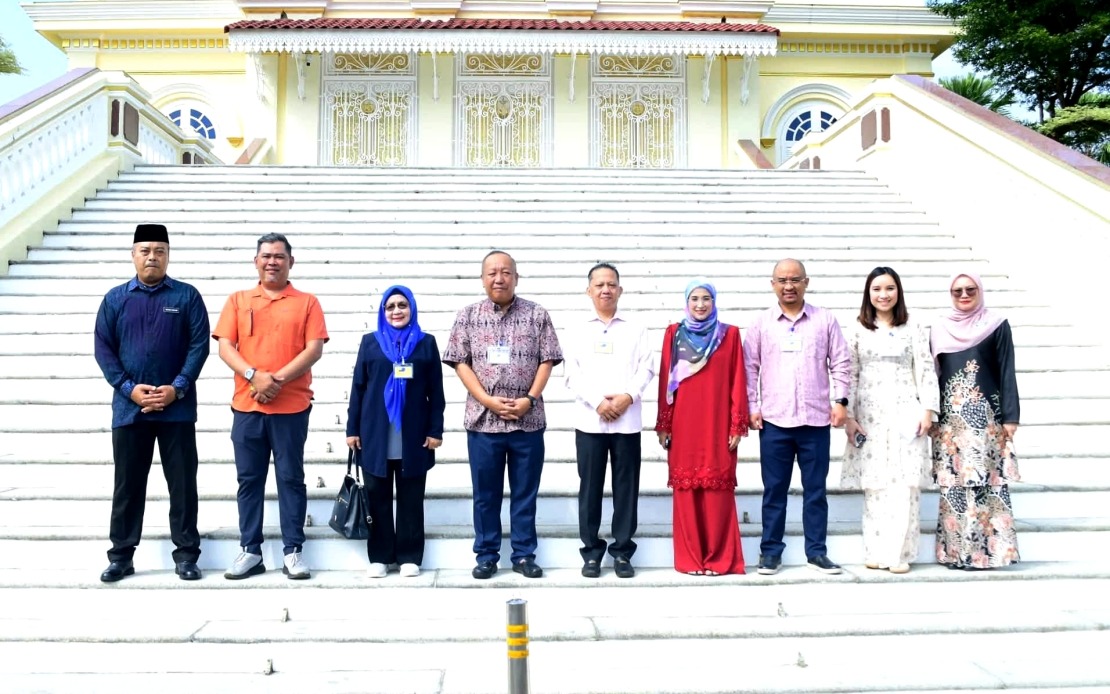
Malaysia's eastern state of Sabah is moving to deepen its tourism relationship with southern peninsula giant Johor, signalling a strategic pivot toward interstate cooperation that could reshape how the nation markets itself to both domestic and international visitors. The partnership, brokered through the Sabah Ministry of Tourism, Culture and Environment and Tourism Johor, represents a calculated effort to pool resources and knowledge across state boundaries at a time when Malaysia faces intensifying competition from other Southeast Asian destinations.
Datuk Jafry Ariffin, Sabah's Minister of Tourism, Culture and Environment, framed the initiative as essential preparation for Visit Sabah Year 2027, a flagship promotional campaign aimed at elevating the state's profile globally. The cooperation extends beyond simple information sharing; both jurisdictions aim to develop integrated marketing campaigns, exchange operational expertise, and establish frameworks for coordinated product development that could appeal to overlapping tourist demographics across the peninsula and beyond.
The mechanics of this partnership reveal an understanding that modern tourism success hinges on horizontal collaboration rather than isolated state-level competition. Joint promotional initiatives would allow Sabah and Johor to create compelling cross-regional itineraries—potentially linking Johor's established beach and cultural attractions with Sabah's biodiversity, adventure tourism, and indigenous heritage. Such bundled offerings could attract tourists with longer stays and higher spending potential, benefiting accommodations, restaurants, and support services across both states.
A particularly significant aspect of the cooperation involves heritage conservation and museum management. The Sabah delegation's visit to Muzium Diraja Abu Bakar at Istana Besar Johor was not ceremonial; it included detailed study of how Johor preserves and presents its royal and cultural assets to visitors. This technical exchange is strategically important for Sabah, which possesses substantial indigenous heritage and colonial-era sites but faces resource constraints in conservation and interpretation comparable to Johor's more established institutions.
The emphasis on cultural tourism reflects broader recognition within Malaysian policymaking circles that experiential and heritage-based tourism commands premium pricing and attracts visitors with higher disposable incomes. Sabah's tourism sector has historically relied on nature-based attractions—Mount Kinabalu, diving at Sipadan, rainforest experiences—but integrating stronger cultural narratives through proper heritage management could diversify revenue streams and create more resilient employment for local communities.
For Malaysian tourism competitiveness more broadly, such interstate collaboration matters considerably. Thailand, Vietnam, and Indonesia have successfully marketed multi-region experiences that encourage longer stays and repeat visits. Malaysia's fragmented approach, where states sometimes compete rather than complement each other, has historically disadvantaged the nation in attracting extended touring circuits. Sabah and Johor's partnership could model a more coordinated national strategy if replicated with other state tourism authorities.
The domestic market angle deserves particular attention. Jafry's reference to boosting domestic tourism acquisition acknowledges the harsh economic reality that international arrivals remain uncertain post-pandemic, while Malaysian families increasingly holiday within national borders. Coordinated campaigns between Sabah and Johor could capture domestic leisure travellers seeking multi-destination packages, distributing tourism revenue more broadly across the peninsula and eastern Malaysia simultaneously.
Yet challenges to sustained cooperation remain. Interstate tourism collaboration requires ongoing political commitment beyond individual ministerial tenures, stable funding mechanisms, and resolution of potential conflicts over resource allocation or marketing emphasis. Historical regional rivalries and differing development priorities can undermine even well-intentioned partnerships. The test of this Sabah-Johor initiative will be whether it produces measurable increases in visitor numbers and spending within two years, before Visit Sabah Year 2027 arrives.
The heritage conservation component suggests Sabah's aspirations extend beyond volume-focused tourism toward quality and sustainability. This aligns with broader Southeast Asian trends toward responsible tourism, where visitors increasingly demand cultural authenticity and environmental stewardship. By learning heritage management best practices from Johor, Sabah could differentiate itself as a culturally-aware destination that respects indigenous communities and historical preservation while generating employment and revenue.
From a regional development perspective, stronger tourism ties between Sabah and Johor could have economic ripple effects. Tour operators, hospitality workers, transport services, and craft producers across both states stand to benefit from expanded demand. Training and skills development, particularly around heritage interpretation and sustainable tourism practices, would enhance workforce productivity throughout the broader Malaysian tourism sector.
The partnership also reflects Malaysia's position within the competitive Southeast Asian tourism landscape. With Thailand recovering its pre-pandemic arrivals faster than expected, and Vietnam and Cambodia aggressively expanding capacity, Malaysian states cannot afford isolated marketing efforts. Coordinated regional strategies—where Sabah, Johor, and other states present complementary rather than competing products—strengthen Malaysia's overall appeal as a multifaceted destination offering beaches, mountains, culture, wildlife, and urban experiences.
Looking ahead, the success of this Sabah-Johor cooperation could establish a template for deeper interstate tourism collaboration nationwide. If joint promotions successfully attract visitor increases and heritage initiatives enhance both states' cultural credentials, other Malaysian states would logically follow suit. Such a cascade would represent significant progress toward the kind of integrated national tourism strategy that has long eluded Malaysian planners despite its obvious economic potential.

