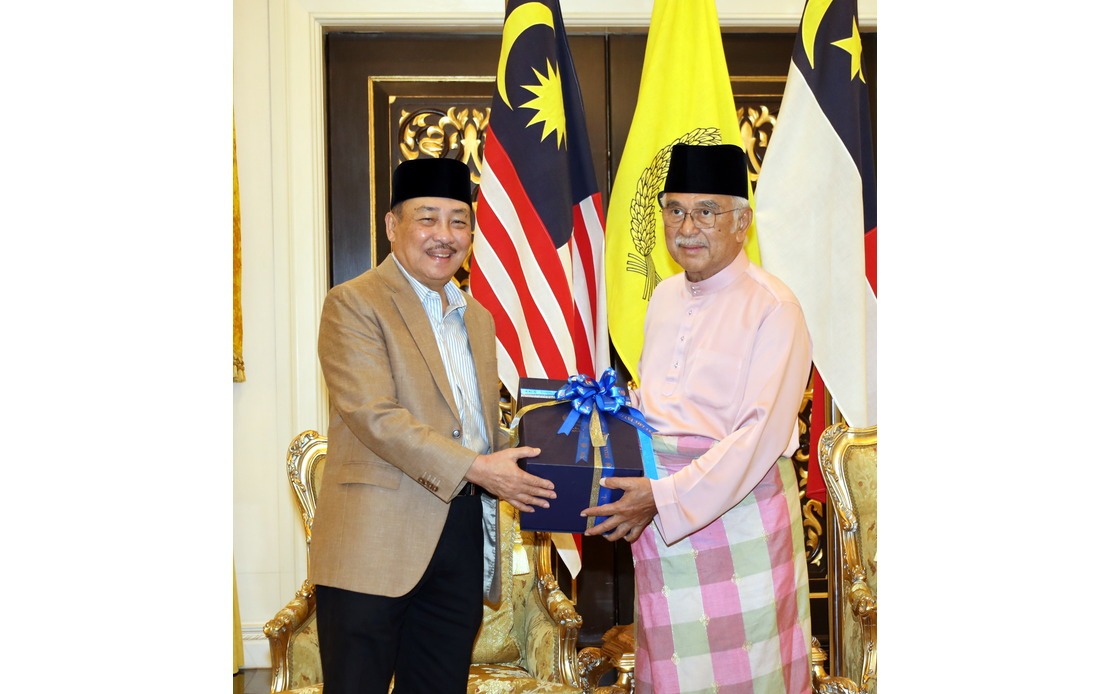
Sabah Chief Minister Datuk Seri Hajiji Noor conducted a courtesy visit to Melaka's Yang Dipertua Negeri Tun Dr Mohd Ali Mohd Rustam on Wednesday, marking another chapter in the ongoing bilateral engagement between the two states. The meeting, held at Istana Melaka in Bukit Beruang, underscores the importance both administrations place on maintaining strong interpersonal and institutional relationships that extend beyond routine governance.
The chief minister arrived with an accompanying delegation at approximately 3.35 pm, where he was formally received by Tun Mohd Ali. Such courtesy calls, while sometimes appearing ceremonial in nature, serve important functions within Malaysia's federal structure. They create informal channels for dialogue between state leaders, facilitating the exchange of ideas and collaborative approaches to shared challenges that often cross state boundaries.
According to the Sabah Chief Minister's Office, the agenda encompassed various matters of mutual concern to both Sabah and Melaka. While the specific topics discussed were not disclosed in detail, such meetings typically address issues ranging from inter-state trade and investment opportunities to coordination on development projects and administrative best practices. The deliberate vagueness in official statements often reflects the exploratory nature of these high-level conversations, where leaders assess potential areas for future cooperation.
Hajiji's delegation included several key figures from Sabah's state administration. Datuk Rubin Balang, the Rural Development Minister, Datuk Jamawi Jaafar, overseeing Agriculture, Fisheries and Food Industry matters, and Datuk Mohd Razali Mohd Razi, a nominated member of the Sabah State Legislative Assembly, accompanied the chief minister. The composition of the delegation suggests that the visit carried substantive weight, with representation from portfolios that often have inter-state dimensions and relevance to collaborative initiatives.
The choice to include ministers responsible for rural development and agriculture is particularly noteworthy for Malaysian observers. These sectors frequently intersect with cross-state interests, whether through shared supply chains, agricultural product marketing, or rural infrastructure development. By bringing these voices to the table, Hajiji positioned the engagement as one grounded in practical governance concerns rather than mere ceremonial protocol.
Melaka, situated on the peninsula's western coast, holds strategic importance within Malaysia's political and economic landscape. As a state with significant historical and cultural weight, diplomatic courtesy calls from other state leaders carry symbolic meaning beyond their immediate agenda items. For Sabah, located on the island of Borneo, fostering strong relationships with peninsular states helps maintain Sabah's voice in national discussions and ensures the state's interests receive adequate attention at the federal level.
The meeting concluded with an afternoon tea hosted by Tun Mohd Ali, a traditional gesture that reinforced the collegial nature of the interaction. Such social elements, while seemingly minor, form part of the fabric that binds Malaysia's diverse state administrations together. They provide opportunities for informal conversation that often yields insights and understandings that more formal meetings might not generate.
From a broader perspective, this visit exemplifies the intricate web of relationships that characterize Malaysian federalism. Chief ministers regularly traverse the country, meeting counterparts and federal officials to advance their states' interests and coordinate on matters of national importance. These interactions are essential for maintaining the cooperative spirit necessary for a federal system to function effectively, particularly given the competing demands and priorities of Malaysia's thirteen states and three federal territories.
For Malaysian and Southeast Asian observers, such diplomatic overtures between state leaders reflect the careful balance required in governance. Sabah, as the easternmost major state in the federation, sometimes faces geographic and political distance from peninsular decision-making centers. Visits like these help bridge that gap, ensuring that Sabah's perspectives on issues affecting the broader nation remain visible and influential within relevant circles.
The visit also carries implications for inter-state economic cooperation. With Melaka positioned as a developing commercial and tourist hub following its recent tourism renaissance, and Sabah possessing substantial natural resources and agricultural potential, there exists considerable scope for bilateral trade and investment arrangements. Courtesy calls between leaders often serve as precursors to more substantive commercial or administrative agreements that emerge in subsequent months.
As Malaysia navigates increasingly complex governance challenges—from climate change impacts on agriculture to digital infrastructure development and post-pandemic economic recovery—the strength of relationships between state administrations becomes increasingly important. These personal connections between leaders facilitate faster information sharing, more collaborative problem-solving approaches, and greater willingness to support each other's initiatives at the federal level.

