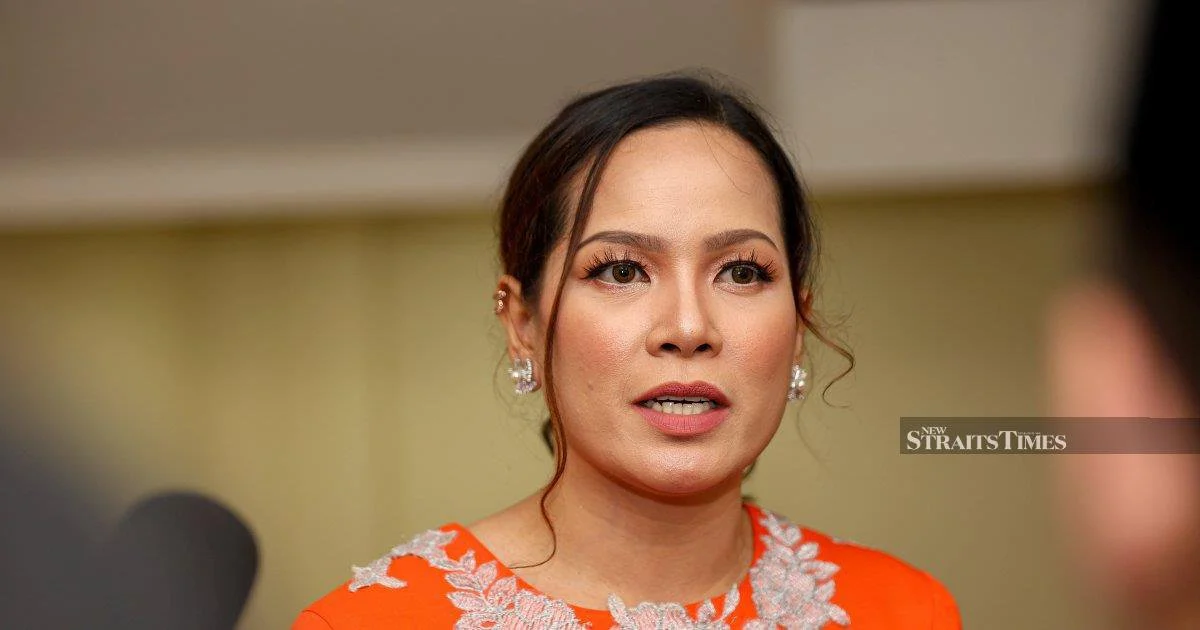
Kuala Lumpur's entertainment circles were set ablaze this week following the detention of a prominent actress from one of Malaysia's most watched police television dramas. The arrest, which centred on alleged positive results from drug testing, rapidly sparked speculation and rumour-mongering across social media platforms and entertainment news outlets. In a swift move to contain the narrative, fellow actress Salina Saibi has categorically rejected suggestions that she bore any involvement in the circumstances surrounding the arrest, marking an attempt to separate herself from the controversy engulfing the local drama community.
The timing of such public denials underscores the precarious position occupied by celebrities in Malaysia's tightly-knit entertainment ecosystem, where professional rivalries and casual acquaintance can easily be weaponised by tabloid speculation. By issuing a statement distancing herself from the detained actress, Saibi has signalled awareness that association with drug-related allegations—whether direct or tangential—carries severe reputational consequences in a nation where narcotics enforcement remains a central pillar of public policy. The move reflects broader industry anxieties about guilt by proximity and the rapid dissemination of unverified claims through digital platforms.
The arrested actress's involvement with a police drama series adds another layer of irony to the situation. Her programme occupies primetime slots on Malaysia's broadcast schedule and draws substantial viewership from audiences across the peninsula and beyond. Law enforcement dramas have long served as cultural touchstones in Malaysian television, reinforcing official narratives around crime prevention and social order. The arrest of an on-screen representative of Malaysia's police force therefore carries symbolic weight beyond the individual case, raising questions about the line between theatrical performance and real-world conduct that audiences inevitably draw.
Drug-related arrests involving entertainment personalities generate disproportionate public attention in Malaysia, where the government maintains uncompromising stances on narcotics possession and consumption. The Dangerous Drugs Act imposes severe penalties ranging from lengthy custodial sentences to mandatory rehabilitation programmes. This regulatory environment ensures that even preliminary drug allegations can trigger career-ending consequences before any judicial determination occurs. For actresses operating within this framework, the stakes of distancing oneself from such allegations are not merely about public image management but potentially about professional survival.
Social media has transformed how entertainment scandals propagate and evolve in Malaysia. Unverified claims spread across platforms like WhatsApp, TikTok, and Facebook within hours, often mutating into increasingly baroque narratives that bear limited resemblance to documented facts. Salina Saibi's denial, therefore, serves a practical function: it establishes a clear public record of her non-involvement that can be referenced and cited as the story continues to circulate. Without such statements, celebrities risk having speculation treated as fact by segments of the audience, with implications extending to brand partnerships, casting opportunities, and fan relationships.
The police drama genre occupies a distinctive space within Malaysian television production. These series, typically produced by government-linked or government-friendly broadcasters, blend entertainment with implicit messaging about state authority and law enforcement legitimacy. Casting decisions for such programmes therefore carry subtle political dimensions. An actress's arrest raises uncomfortable questions for production companies and broadcasters about whether they conducted adequate due diligence during hiring, and whether the show's themes about law-abiding citizenship ring hollow in light of cast member conduct.
Industry observers note that such incidents often prompt broader discussions within Malaysia's entertainment community about substance abuse, mental health support for performers, and the pressures endemic to competing for roles in an increasingly saturated market. The arrested actress's alleged positive drug test, if substantiated through proper legal procedures, might reflect struggles rather than character flaws. However, the public discourse rarely makes space for such nuance, focusing instead on sensationalism and moral judgement.
For Salina Saibi specifically, the denial statement represents standard crisis communication practice adapted to Malaysian cultural and legal contexts. By moving swiftly to separate herself from the incident, she minimises the window during which media outlets and social media users can construct false associations. Industry insiders understand that such preemptive denials, while potentially appearing defensive, actually serve to protect against more damaging insinuations that might otherwise take root in public consciousness.
Looking forward, the case will almost certainly proceed through Malaysia's legal system, where drug-related allegations trigger standard investigative and prosecutorial protocols. During this period, questions will likely surface about how the entertainment industry addresses substance abuse among its workforce, what support mechanisms exist for struggling performers, and whether the glamorous public image of television stardom adequately masks underlying vulnerabilities. Salina Saibi's distance from the controversy positions her to continue her career trajectory uninterrupted, while the detained actress faces a more complicated path toward rehabilitation of her professional reputation, contingent upon legal outcomes and public attitudes toward redemption and second chances.

