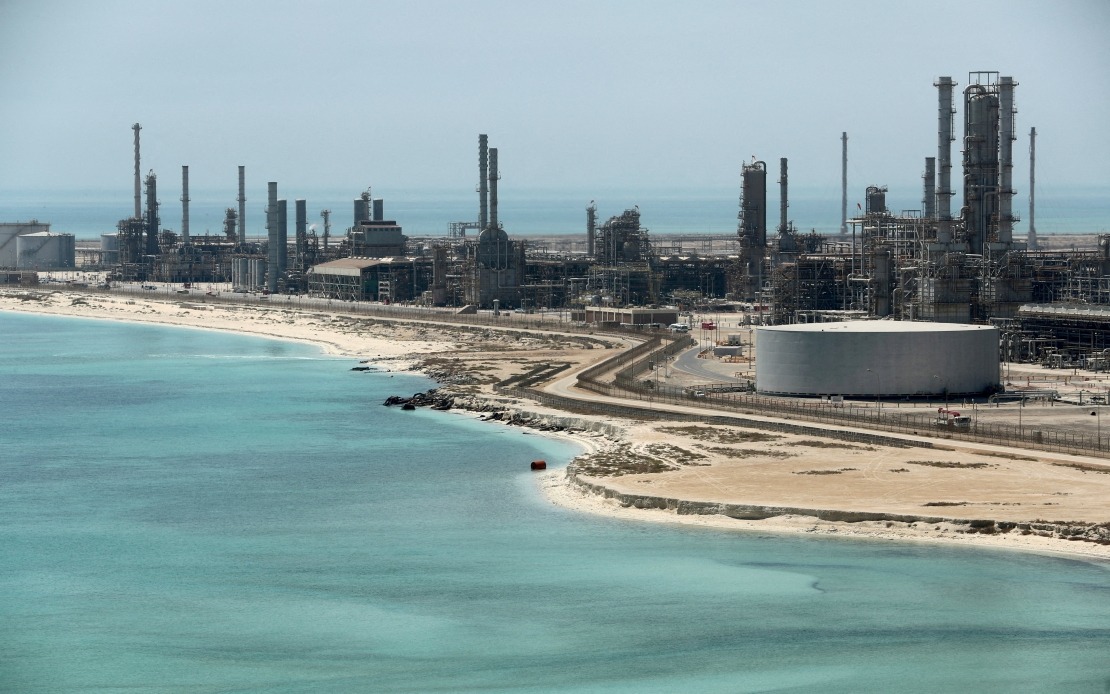
A helicopter operated by Saudi Aramco crashed near Ras Tanura in eastern Saudi Arabia on Sunday morning, resulting in the deaths of all 14 people aboard. The accident occurred at approximately 6 am local time at the facility, which sits along the Persian Gulf coast. The Saudi Ministry of Energy confirmed the incident through the Saudi Press Agency, stating that every individual on the aircraft was a Saudi national.
The loss of life represents a significant tragedy for Saudi Arabia's energy sector and the families affected by the disaster. The Ministry of Energy has offered formal condolences to the relatives of those who died, with officials expressing prayers that Almighty Allah grants them mercy and forgiveness. In keeping with local terminology, the ministry referred to those who perished as martyrs in its official statement.
Authorities have initiated a comprehensive investigation to establish the exact circumstances and technical factors that led to the crash. Such inquiries typically examine multiple potential causes, including mechanical failure, pilot error, adverse weather conditions, or operational issues. The investigation represents a standard procedure following major aviation incidents involving significant loss of life and could take considerable time to complete.
Ras Tanura holds strategic importance within Saudi Arabia's petroleum infrastructure. The facility functions as one of the kingdom's largest oil refining and export terminals, situated strategically on the Gulf coast. The location processes and ships crude oil and refined petroleum products to global markets, making it a critical component of both the national economy and international energy supply chains. The crash at this sensitive industrial location has raised questions about safety protocols at one of the world's most important energy facilities.
Saudi Aramco operates numerous helicopter services across its vast operations for personnel transport, emergency response, and logistical support. The company maintains fleets that connect remote drilling operations, processing facilities, and offshore platforms across the Arabian Peninsula and the Gulf. These aircraft are essential for maintaining operational continuity across the energy giant's sprawling infrastructure network.
The incident underscores the inherent risks involved in aviation operations within the energy sector, particularly in the challenging environmental conditions of the Arabian Peninsula and Persian Gulf region. Helicopter operations in such areas must navigate extreme heat, occasional dust storms, and the complexities of industrial facility environments. Safety remains paramount for companies like Saudi Aramco, which employ thousands of workers across hazardous operations.
For regional observers, particularly those monitoring Middle Eastern energy stability, such incidents warrant careful attention. The Persian Gulf region produces a significant portion of global oil supplies, and any disruption to major facilities or operations attracts international scrutiny. However, officials have not indicated that the crash will impact production or export operations at Ras Tanura, suggesting the facility maintained normal functioning despite this tragedy.
The crash also reflects broader questions about aviation safety standards in industrial operations across the region. International aviation authorities and industry bodies often examine such incidents to identify systemic improvements that could prevent future accidents. Recommendations from investigations into major helicopter crashes frequently influence safety protocols across the entire sector, affecting multiple companies and countries.
For Malaysian readers, the incident carries relevance given Malaysia's own involvement in global energy markets and the international nature of aviation safety standards. Southeast Asian nations, including Malaysia, maintain significant economic interests in stable Middle Eastern energy supplies. Additionally, many Malaysian workers are employed throughout the Gulf region in various capacities, making workplace safety a matter of regional concern.
The families of the 14 victims will likely receive compensation and support under Saudi labor and corporate regulations, though such procedures offer little consolation for the loss. The incident represents a sobering reminder of the dangers inherent in energy sector operations, even for major multinational corporations with substantial safety resources and expertise.
As the investigation progresses, findings will be communicated through official Saudi channels and international aviation authorities. The results could influence operational procedures not only at Saudi Aramco facilities but potentially across the broader aviation industry serving the energy sector. In the interim, all 14 individuals aboard remain remembered by their families and colleagues as the tragedy is thoroughly examined.

