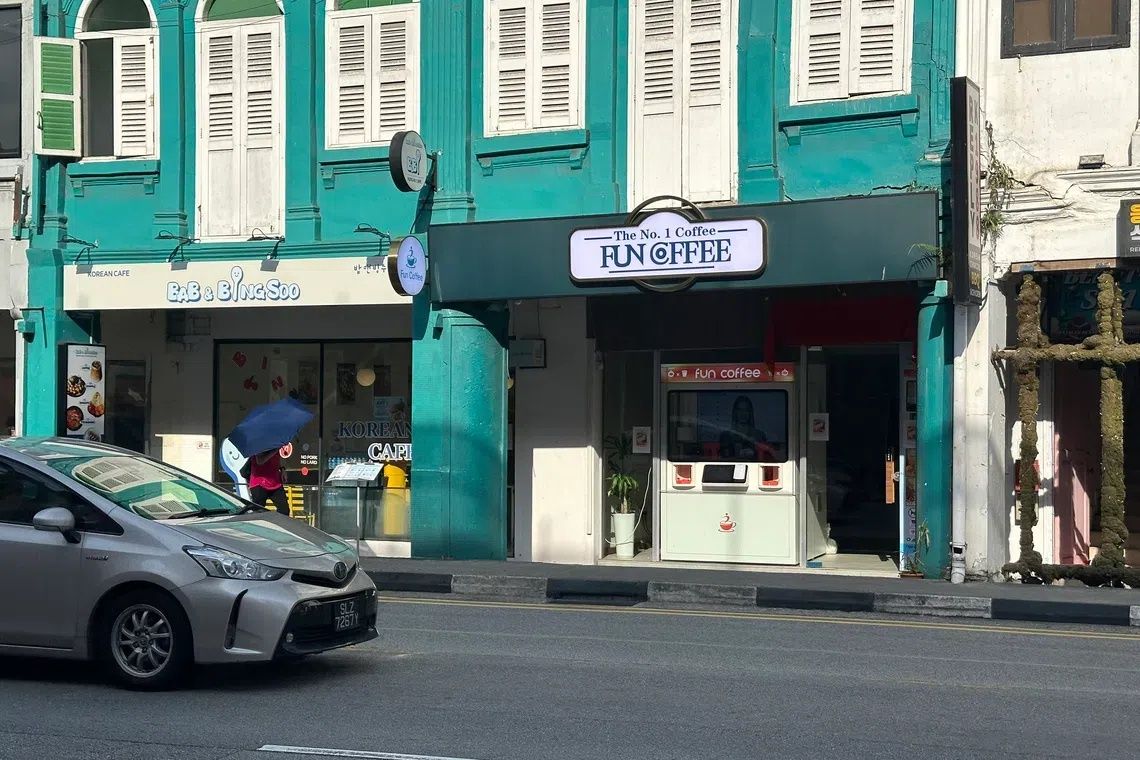
A 49-year-old woman was taken into custody on August 6 following a police investigation into the Fun Coffee platform, with authorities announcing the arrest two days later. The investigation centres on her instrumental role in actively promoting the cryptocurrency-based investment scheme and systematically recruiting new participants into its network, according to Singapore's police statement released on August 8. Her arrest marks a significant enforcement action against what authorities have identified as a sophisticated multi-level marketing and pyramid selling operation spreading across multiple jurisdictions in Southeast Asia and beyond.
The scheme operates through a deceptively straightforward mechanism designed to extract maximum participation from unsuspecting investors. Prospective members must first download a dedicated mobile application, then transfer Tether (USDT), a stablecoin cryptocurrency pegged to the United States dollar, into wallet addresses generated within the application interface. This technical layer of obscurity has proven particularly effective at circumventing traditional detection methods. The promises underlying the scheme are deliberately engineered to appeal to investors seeking rapid wealth accumulation, offering returns that authorities characterise as "unrealistically high" alongside commission structures that incentivise continuous recruitment of additional members.
What distinguishes Fun Coffee from conventional investment vehicles is its explicit architectural dependence on recruitment revenue rather than genuine underlying asset generation. Participants are explicitly offered additional financial incentives for bringing fresh recruits into the scheme, establishing the classic pyramid structure that triggers regulatory intervention across most advanced economies. Once funds have been deposited into the system, participants in Singapore have discovered they face insurmountable obstacles in accessing or withdrawing their invested capital through the Fun Coffee application, effectively rendering their money inaccessible. This withdrawal barrier represents the critical moment when investment victims recognise the scheme's fraudulent nature.
The woman arrested in Singapore faces prosecution under the Multi-Level Marketing and Pyramid Selling (Prohibition) Act, legislation specifically designed to prosecute such schemes. If the prosecution successfully establishes guilt, sentencing guidelines permit imprisonment for up to five years, financial penalties reaching S$200,000, or a combination of both sanctions. These penalties reflect the legislature's assessment of the serious harm caused by such schemes to individual financial security and broader economic confidence, particularly given the sophistication with which modern digital-era pyramid schemes operate.
The Fun Coffee platform presents itself publicly as a "lifestyle brand combining coffee, wellness and digital innovation into a community experience," a characterisation that obscures its core financial operation. According to claims on its official website, the organisation maintains assets exceeding US$1 billion (approximately S$1.28 billion) and commands a workforce or network exceeding 5,000 members. These representations, combined with the lifestyle branding component featuring physical coffee vending machines, create an appearance of legitimacy and operational substance designed to overcome potential investors' scepticism. The company operates ostensibly from Phu Quoc in Vietnam, positioning itself within Southeast Asia's commercial landscape.
The geographic scope of the Fun Coffee fraud extends well beyond Singapore, indicating a coordinated regional operation. Hong Kong and Macau authorities have jointly arrested eight individuals connected to the scheme within the past week, demonstrating parallel enforcement actions across multiple jurisdictions. Victims in those two territories have collectively lost approximately HK$100 million (roughly S$16.3 million), a figure that underscores the scheme's considerable extractive capacity and the size of the victim population it has successfully recruited. The simultaneous enforcement actions suggest law enforcement agencies are coordinating information and investigation resources across borders, a response proportionate to the scheme's sophisticated international operational structure.
Individual victim testimonies illustrate the substantial financial devastation the scheme inflicts. One Singapore participant disclosed investing approximately S$400,000 into Fun Coffee, only to subsequently discover that recovery of any portion of this capital appears impossible. This scale of loss represents a sum capable of derailing retirement planning, funding higher education, or supporting family welfare for most Malaysian and Singaporean households. The permanence of such losses, combined with the psychological trauma accompanying discovery of deliberate deception, creates ripple effects throughout extended family networks and social circles as victims attempt to process their financial catastrophe.
Fun Coffee's entry into Singapore occurred sometime during 2025, indicating the scheme's relatively recent arrival in the city-state. Its registered operational address at 202 Jalan Besar appeared commercially unremarkable when visited by investigators on August 7, featuring only a coffee vending machine positioned at the building entrance. Handwritten instructions affixed to the machine directed customers to scan a QR code for payment processing, a detail suggesting the operation's thin genuine commercial veneer masking its primary function as a financial extraction mechanism. This hybrid model, combining superficial legitimate commercial activity with fraudulent financial operations, represents an evolution in deceptive marketing technique designed to survive preliminary regulatory scrutiny.
Singapore's police have issued explicit warnings to the general public, particularly targeting individuals who may receive recruitment approaches from associates claiming Fun Coffee representation or face payment solicitations through the official application. Authorities have identified specific red flags warranting immediate suspicion and non-engagement: payment requests transmitted via personal PayNow QR codes, requests for transfer to personal mobile numbers, or instructions to remit funds to overseas accounts. These characteristics deviate substantially from institutional payment protocols and indicate fraudulent operation. The explicit nature of these warnings reflects law enforcement recognition that significant population segments remain vulnerable to such recruitment tactics, particularly individuals lacking specialised financial literacy or cryptocurrency experience.
For Malaysian investors and the broader Southeast Asian financial community, the Fun Coffee case exemplifies the sophisticated threat environment created by cross-border digital fraud operations. The scheme's reliance on cryptocurrency, its layered promotional structure, and its regional coordination across multiple markets represent operational features increasingly characteristic of modern investment fraud. The incident underscores the necessity for financial vigilance among retail investors and the importance of reporting suspected fraudulent schemes to relevant national authorities. Bank Negara Malaysia and the Securities Commission continue strengthening fraud detection capabilities, yet public awareness and individual caution remain essential components of personal financial protection, particularly as schemes operating across borders exploit regulatory gaps and jurisdictional limitations.

