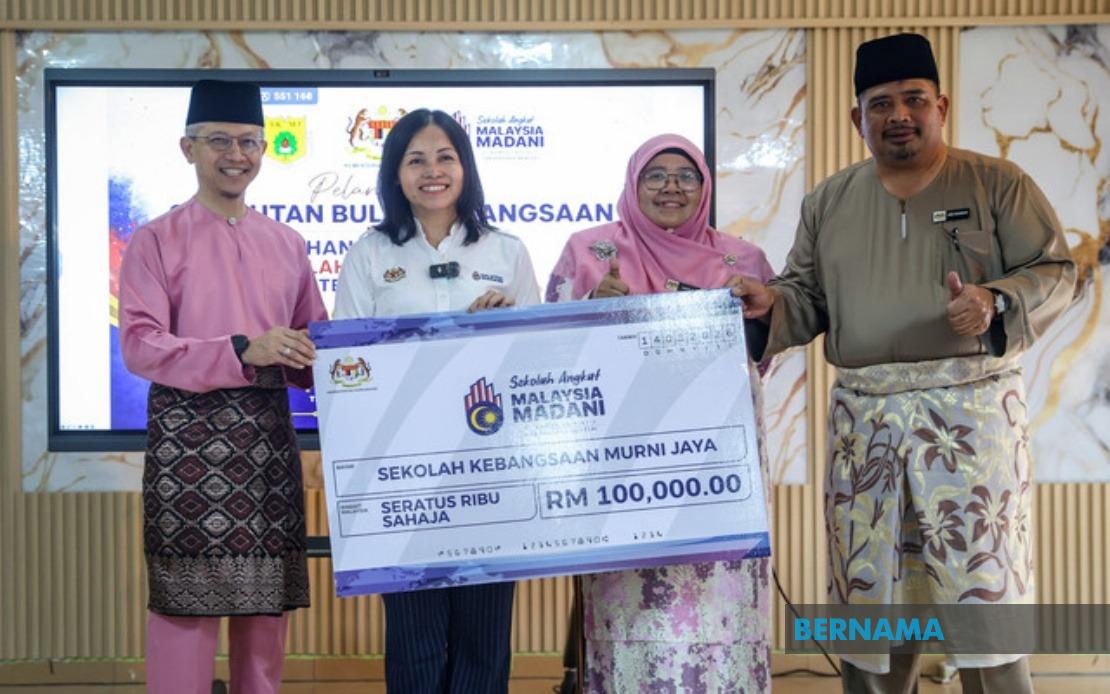
SK Murni Jaya in Layang-Layang, Kulai, has been awarded RM100,000 under the Ministry of Communications' MADANI Adopted School programme, marking the second phase of the ministry's funding distribution for 2026. Deputy Communications Minister Teo Nie Ching presented the allocation during a handover ceremony at the school, signalling the government's continued commitment to enhancing educational infrastructure in secondary townships and suburban areas across Malaysia.
The substantial allocation reflects a strategic investment in modernising school facilities that extend beyond basic maintenance. The funds have been earmarked for a comprehensive suite of improvements designed to elevate both the learning environment and operational efficiency of the institution. These enhancements demonstrate how central government agencies are directing resources toward infrastructure that directly impacts the student experience and teaching capabilities within the school system.
A significant portion of the RM100,000 will support the installation of four new school signboards, which serve both practical wayfinding and branding purposes for the institution. The ministry has also prioritised digital infrastructure by allocating resources for two Smartboards to be installed in both the school hall and resource centre, reflecting the ongoing national push toward technology-integrated learning environments. This digital modernisation aligns with Malaysia's broader educational digitalisation agenda and prepares students for technology-dependent workplaces.
The funding envelope includes two air-conditioning units, a critical addition for Malaysia's tropical climate where classroom temperatures directly affect student concentration and retention. The package further contains ten iPads designated for the computer laboratory, expanding student access to computing devices during both structured lessons and independent learning sessions. This addition strengthens digital literacy capabilities among the school population and ensures the technology lab remains contemporary with evolving educational software and applications.
Stemming Education and Technical-Vocational Education and Training (STEM and TVET) initiatives receive particular emphasis through the allocation of a Robot Sumo set. This equipment enables hands-on experiential learning in robotics and programming, competencies increasingly recognised as essential for career readiness in Malaysia's knowledge-based economy. The investment reflects the ministry's understanding that practical technical skills must be cultivated from secondary schooling onwards to build a skilled workforce pipeline.
Beyond technology and equipment, the funding supports environmental improvements that enhance the school's aesthetic and functional appeal. Lighting upgrades will address both safety and learning quality, while hall beautification efforts aim to create inspiring communal spaces for school assemblies, events, and activities. These softer infrastructure elements contribute to school pride and student wellbeing, factors research consistently links to improved academic outcomes and retention rates.
In addition to the primary RM100,000 allocation, the Ministry of Communications has designated a supplementary RM20,000 to procure 19 tables and chairs for the school canteen. This ancillary funding demonstrates attention to non-academic infrastructure critical for student nutrition and social interaction. A well-equipped dining facility supports both physical health and the social development that occurs during meal breaks and informal gatherings.
Teo Nie Ching emphasised that the infrastructure upgrades for SK Murni Jaya are scheduled for completion by October this year, establishing a clear implementation timeline. She simultaneously stressed that all other schools participating in the MADANI Adopted School programme must achieve full implementation of their respective projects within the calendar year, consistent with protocols established by the Ministry of Finance. This standardised approach ensures equitable resource deployment across multiple beneficiary institutions and maintains fiscal accountability.
The MADANI Adopted School programme itself represents a targeted government initiative addressing infrastructure deficits in schools that may otherwise lack resources for significant facility improvements. By channelling funds through government ministries rather than through traditional budgetary allocations, the programme enables more rapid deployment of support to identified institutions and allows individual ministries to align school improvements with their sectoral priorities and mandates.
For SK Murni Jaya specifically, this funding injection arrives at a critical juncture as schools nationwide grapple with post-pandemic recovery and modernisation demands. The combination of technological upgrades, environmental improvements, and STEM equipment positions the school to offer more competitive and comprehensive educational experiences to its student body. These investments in physical and digital infrastructure communicate to students, teachers, and parents alike that quality education remains a government priority.
The implementation of such facility improvements carries ripple effects beyond the immediate school community. Enhanced educational infrastructure in suburban areas like Layang-Layang helps retain teaching talent and attracts committed educators who seek schools with modern facilities and adequate resources. Improved facilities also support parental confidence in public education, potentially reducing private school migration in areas where quality state schooling remains accessible and well-resourced.
Moving forward, the success of this initiative will depend on effective project management and maintenance protocols. Schools receiving MADANI Adopted School funding must establish clear maintenance schedules and responsibility frameworks to ensure equipment longevity and functionality. The ministry's emphasis on year-end completion deadlines suggests a structured oversight mechanism, though sustained performance will require ongoing institutional commitment from school leadership and management.

