The race for control of Johor is now playing out as much on social media as it is on the ground, with candidates from competing political coalitions racing to capture voter attention in the final three days before Saturday's state election. Digital platforms have become the primary arena where aspirants are mounting their closing arguments, leveraging the reach and immediacy of social networks to address the state's 2.7 million registered voters, particularly those aged under 40 who may not have yet committed their support.
The shift towards digital-first campaigning reflects broader changes in how Malaysian elections are contested. Rather than relying solely on traditional rallies and door-to-door canvassing, candidates from both the Pakatan Harapan coalition and Barisan Nasional are deploying carefully crafted social media strategies that combine policy messaging with relatable, everyday content designed to humanise their political brands. The approach recognises that in an election where voter turnout often determines outcomes, reaching people where they naturally congregate online has become essential.
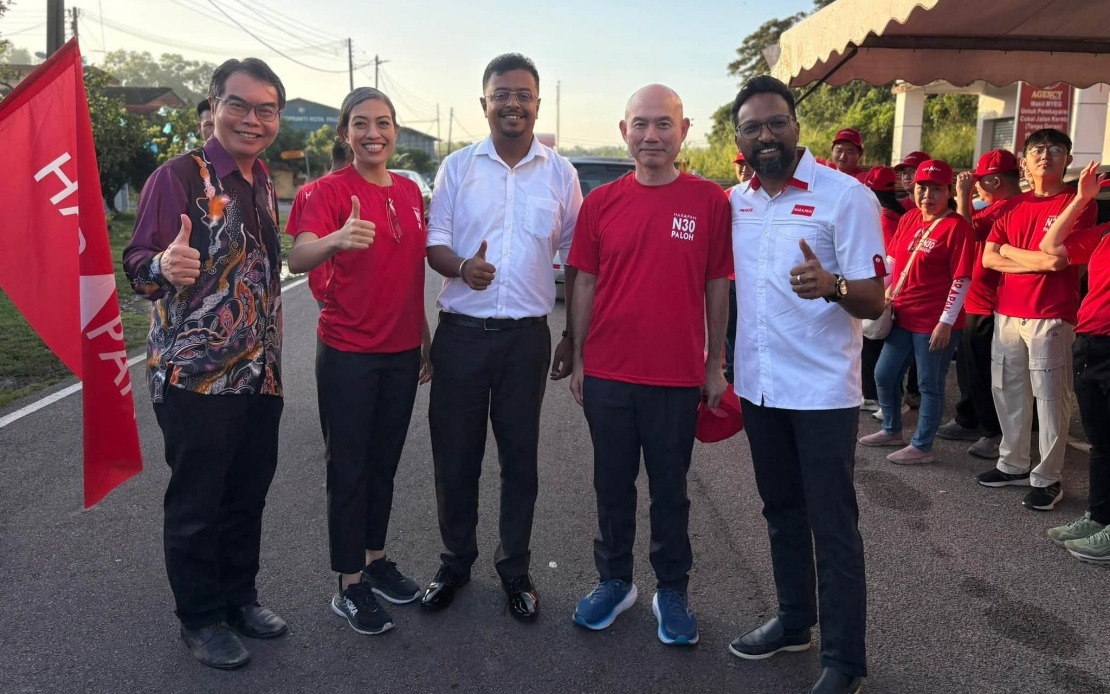
Pakatan Harapan candidate Dr A Ruban, contesting the Paloh state assembly seat, illustrates how candidates are adapting their strategies to digital constraints and opportunities. Despite currently undergoing hospital treatment for a spinal condition, his campaign team has maintained momentum by channelling his political messaging through Facebook and other platforms. His campaign narrative focuses on rural development centred on youth and women empowerment, framing Paloh as a potential model for how rural constituencies can modernise without sacrificing their character. This approach allows him to remain visible to voters despite physical limitations, demonstrating how digital tools can democratise political participation.
On the Barisan Nasional side, Johor Menteri Besar Datuk Onn Hafiz Ghazi is leveraging his position and online presence to reinforce the coalition's core campaign message about experience and local knowledge. His Facebook postings emphasise the credentials and community connections of BN candidates across the 56 contested seats, appealing to voters who prioritise stability and proven governance track records. For an incumbent coalition, such messaging serves to justify continued electoral support based on demonstrated performance rather than promise.
The diversity of digital strategies being employed across constituencies reveals how candidates are tailoring their approaches to local constituencies and demographic profiles. In Tanjung Surat, candidate Faizul Abdul Ghani has adopted a documentary style of campaigning, sharing photos and accounts of community visits that position him as perpetually engaged with voter concerns. This strategy emphasises accessibility and emotional connection over formal policy pronouncements, appealing to voters who value a sense of direct relationship with their representatives.
Dr Maszlee Malik, Puteri Wangsa's Pakatan Harapan candidate and a former education minister, has become notably prolific on social media, using his platform to remind voters of specific achievements in higher education and school infrastructure during his ministerial tenure. His content strategy demonstrates how candidates with established track records can weaponise their experience, detailing concrete projects and policy initiatives to substantiate claims of competence. By connecting his past work to current community concerns—such as subsidising school shoes to ease family financial burdens—he bridges the gap between grand policy statements and tangible household benefits.
The sophistication of digital campaigning has evolved considerably, with candidates now understanding that short-form video content, infographics, and live-streaming sessions are more effective at capturing and holding voter attention than lengthy text posts. Content featuring candidates in casual, everyday settings—such as Ir Nazri Abdul Rahman's breakfast at a local warung—has generated organic viral engagement, suggesting that authenticity and relatability may resonate more powerfully than polished political messaging. This recognition has influenced how all campaigns, regardless of coalition affiliation, structure their content calendars.
Peikatan Nasional candidates and independent aspirants, though operating with fewer resources than the two major coalitions, have similarly embraced digital platforms to level the playing field. By hosting live question-and-answer sessions and producing short, punchy video content, smaller political forces are attempting to demonstrate engagement and responsiveness to voter concerns, compensating for lower name recognition with perceived accessibility and direct interaction.
The timing of the digital push is strategically significant. Campaign regulations in Malaysia impose strict blackout periods in the final stages of elections, with campaigning ceasing at 11.59 pm on July 10. This constraint has intensified the digital push in the 48 hours immediately preceding the blackout, as campaigns recognise this as the final opportunity to shape voter sentiment before polling day. The compressed timeline has made social media indispensable, as reaching voters through physical presence across 56 constituencies in such a short window is logistically impractical.
For regional observers, the Johor election's reliance on digital campaigning signals how Malaysian politics is increasingly being contested in online spaces where regulation is less established and the potential for misinformation, while present, is balanced by the difficulty of controlling narratives across decentralised platforms. The sophistication demonstrated by major party campaigns—combining policy content, personal narrative, and community engagement—suggests that social media has become integral to electoral success rather than merely supplementary to traditional campaigning.
The 16th Johor state election involves 172 candidates competing across 56 state assembly seats, a contest that will test the effectiveness of competing digital strategies at scale. As Saturday's polling day approaches, the candidates who have most successfully built authentic digital engagement and clear policy differentiation through social media platforms will likely carry momentum into the final voting stage. The dominance of digital campaigning in these final days reflects not merely tactical choices by individual campaigns, but a fundamental shift in how Malaysian political communication operates in the social media era.

