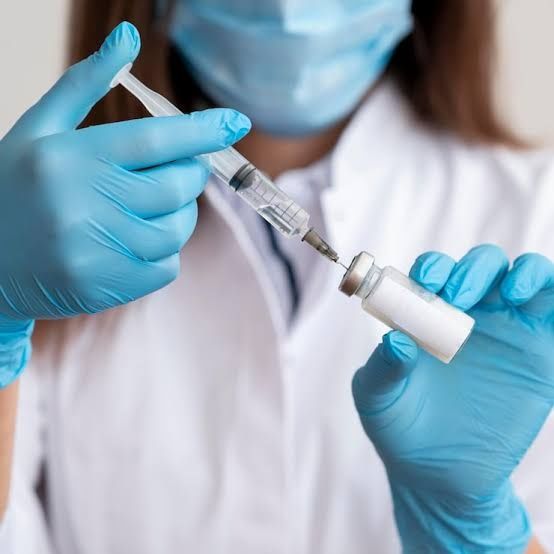
A nurse assistant in Seoul faces criminal charges after being apprehended on July 7 for self-administering propofol at a dermatology clinic in the upscale Gangnam-gu district. According to Seoul Gangnam Police Station, the woman in her twenties was arrested on suspicion of breaching the Narcotics Control Act and remains the subject of an ongoing criminal investigation. The incident unfolded during her very first day on the job, raising alarming questions about workplace safety and drug security at medical facilities across South Korea.
The circumstances surrounding the arrest reveal troubling gaps in how controlled substances are managed at healthcare establishments. The woman allegedly discovered a used syringe containing propofol residue in a medical waste receptacle at the clinic and subsequently injected herself with the remaining drug. This opportunistic abuse highlights a critical vulnerability in disposal protocols at many South Korean medical centres, where proper segregation and immediate destruction of contaminated equipment should be standard practice. The ease with which she accessed the substance underscores the vulnerability of anaesthetic agents to misuse when adequate safeguards are not implemented.
Propofol represents one of the most frequently abused pharmaceutical agents in medical settings globally. The drug functions as a rapid-onset intravenous anaesthetic used to sedate patients during surgical and diagnostic procedures. While medically valuable in controlled environments, recreational use carries catastrophic risks including respiratory depression, cardiovascular collapse, severe allergic reactions, and sudden death. The drug's accessibility within clinical settings and its potent euphoric effects when misused make it particularly dangerous for healthcare workers with legitimate access to pharmaceutical supplies. Medical professionals with addiction issues pose unique challenges for enforcement because they understand both the effects and the risks involved, yet continue administration despite knowledge of potential fatality.
Authorities have not pursued physical detention in this case, instead proceeding with investigative detention, suggesting prosecutors assess the offence as a first-time violation rather than systematic trafficking or distribution. However, investigators are actively examining whether the nurse assistant's drug use extends beyond this isolated incident. This investigative angle is crucial because propofol addiction among healthcare workers frequently develops through repeated exposure and access, potentially spanning months or years before detection. The possibility of habitual use would fundamentally alter the severity of the case and the danger posed to workplace safety at her clinic.
The arrest arrives amid mounting alarm throughout South Korea regarding the escalating prevalence of narcotics abuse within medical environments. Public health advocates and medical administrators have intensified calls for comprehensive regulatory tightening around pharmaceutical storage, handling protocols, and waste disposal procedures across all clinical facilities. Current regulations, apparently, do not mandate sufficiently stringent controls over powerful sedatives like propofol, creating opportunities for diversion to personal use. Standardised protocols for secure storage in locked containers, real-time inventory tracking systems, and witnessed destruction of controlled substance waste could substantially reduce such incidents, yet many clinics operate with only basic safeguards.
Recent statistics paint a sobering picture of narcotics consumption patterns in South Korea. According to data released by the Drug Ministry and the Korea Institute of Drug Safety and Risk Management in June, approximately 20.2 million South Koreans—representing roughly four in every ten citizens—received at least one prescription for a medical narcotic during 2025. This extraordinarily high prevalence suggests both widespread medical necessity and considerable potential for diversion, whether through patient hoarding, caregiver theft, or healthcare worker self-administration. The sheer volume of controlled substances circulating through the healthcare system creates multiplicative opportunities for abuse if tracking mechanisms are inadequate.
The implications for workplace culture and institutional accountability are particularly significant given that this incident occurred during the employee's first shift. The rapidity with which access to controlled substances was gained suggests insufficient orientation, supervision, and environmental awareness on the part of the clinic. Many South Korean medical facilities, particularly smaller private dermatology clinics in affluent areas like Gangnam-gu, may prioritise operational efficiency over rigorous security protocols. Staff onboarding procedures rarely emphasise the risks of unsecured pharmaceutical waste or the specific vulnerabilities that controlled substances present. This case will likely prompt facility administrators nationwide to reconsider their security posture.
The geographic context of the incident also merits attention. Gangnam-gu is Seoul's most affluent and medically dense district, home to hundreds of private cosmetic and dermatology clinics serving wealthy clientele. The aesthetic medicine sector, while highly profitable, often operates with less regulatory oversight than hospital-based surgical centres. Competition for patients drives cost-cutting in support services, potentially including less vigilant security over pharmaceutical inventories. The concentration of clinics and their competitive environment may inadvertently enable lax practices that larger, more bureaucratically constrained institutions would not tolerate.
Moving forward, this arrest will likely catalyse policy discussions at multiple levels of South Korean governance. Health ministry officials may mandate electronic tracking systems for controlled substance dispensing, similar to mechanisms already employed for monitoring narcotic prescription patterns among physicians. Professional licensing bodies overseeing nurses and clinical staff may establish stricter competency requirements around pharmaceutical safety awareness. Individual clinic operators will face pressure from liability insurers and patient advocates to demonstrate compliance with enhanced security measures. However, translating recommendations into enforceable regulations typically requires months of legislative deliberation in South Korea's administrative processes.
The broader context suggests that healthcare worker addiction represents a substantially underaddressed public health dimension in South Korea. While substantial governmental focus falls upon controlling patient-level narcotic misuse through prescription monitoring, the occupational hazards faced by medical personnel—who possess both knowledge and access—remain comparatively neglected in policy discussions. Addiction among nurses, anaesthesiologists, and other clinical staff frequently goes undetected for extended periods, jeopardising patient safety in direct care situations. This case may serve as a catalyst for developing targeted intervention and support programmes for healthcare workers struggling with substance dependence, alongside the necessary security upgrades in pharmaceutical management.

