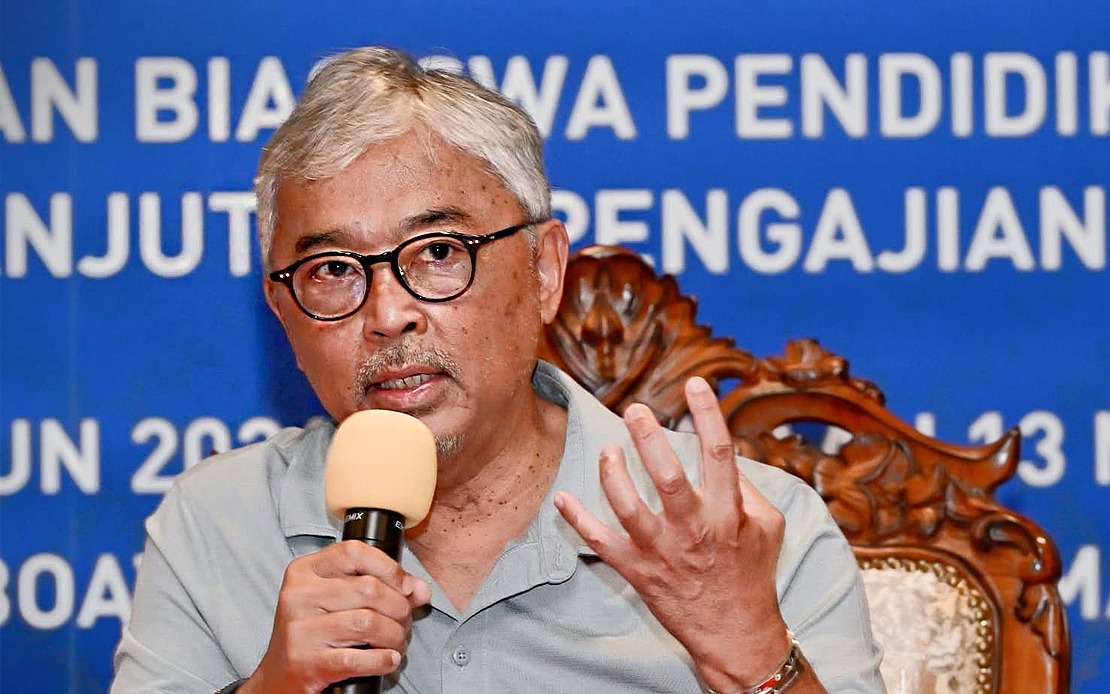
The Sultan of Pahang, Al-Sultan Abdullah Ri'ayatuddin Al-Mustafa Billah Shah, has appealed to universities across the state to join efforts in supporting talented students from Tioman Island through scholarship programmes. The royal plea, issued in Kuantan on June 28, emphasises the responsibility of higher education institutions to nurture potential among youth in remote and rural communities, particularly those geographically isolated from the peninsula's economic centres.
The Sultan's intervention was prompted by the commendable action of Institut Jantung Negara University College, which recently awarded scholarships to two academically accomplished students from Tioman Island. Recognising this initiative as a model worth replicating, the Sultan encouraged other Pahang-based universities to adopt similar approaches and invest in the futures of island communities. His expression of support underscores a growing acknowledgment within Malaysian leadership that access to higher education remains unevenly distributed, with geographic remoteness posing significant barriers to talented but disadvantaged youth.
In his statement, Al-Sultan Abdullah articulated a nuanced understanding of regional equity and human capital development. He characterised the Tioman Island students not merely as recipients of charity, but as integral members of Pahang's community deserving equal opportunity to realise their potential. This framing shifts the narrative from philanthropic benevolence to institutional responsibility, suggesting that universities have an obligation to contribute actively to closing the educational gap between urban and island populations. For Southeast Asian policymakers grappling with inclusive development, the Sultan's position reflects international best practices in corporate social responsibility within the education sector.
The Sultan consented to personally present the scholarships to the two recipients at a formal ceremony at Institut Jantung Negara, lending institutional weight and royal endorsement to the initiative. This personal involvement signals to other institutions that educational equity projects merit attention from the highest levels of state governance. The symbolic significance of a reigning monarch directly engaging with scholarship ceremonies cannot be understated—it establishes educational access as a matter of state priority rather than incidental corporate generosity.
Addressing the scholarship recipients directly, the Sultan impressed upon them the gravity of their opportunity and the expectations accompanying it. His injunction that "failure is not an option" reflects traditional expectations of meritocratic achievement, yet carries particular weight given their island origins. The Sultan framed their success not as personal advancement but as a benchmark for other Tioman youth, effectively designating them as role models and ambassadors for their community. This expectation, while potentially burdensome, demonstrates how the Sultan views scholarship beneficiaries as catalysts for broader social transformation rather than isolated individual achievers.
Practical counsel formed another pillar of the Sultan's message to the scholarship recipients. Emphasising discipline, time management, and focused study throughout their Kuala Lumpur-based education, Al-Sultan Abdullah acknowledged the challenges that island students might face navigating urban university environments. These remarks suggest an understanding that accessing higher education involves more than securing financial support; it requires psychological preparation, social adjustment, and sustained motivation. For Malaysian universities, such observations point to the need for comprehensive student support systems extending beyond tuition fees to encompass mentoring and cultural integration programmes.
The Sultan's remarks about Institut Jantung Negara extended beyond commendation of the scholarship initiative to encompass broader recognition of the institution's medical excellence and community engagement. He acknowledged IJN's regional and international standing in cardiac treatment, positioning the institution as a source of pride not merely for Pahang but for Malaysia's healthcare reputation. However, the Sultan's appreciation was notably anchored to IJN's willingness to engage with rural and remote communities, suggesting that institutional prestige is most meaningfully demonstrated through commitment to equitable social responsibility rather than solely through clinical achievement.
The Sultan's references to IJN's annual corporate social responsibility projects, including those conducted in areas such as Kampung Bantal, indicate that he views the institution's engagement with disadvantaged communities as evidence of genuine institutional values. This framing contrasts sharply with performative or tokenistic corporate responsibility, instead demanding sustained, year-round commitment to underserved populations. For institutions operating in Malaysia and Southeast Asia, the Sultan's position establishes clear expectations regarding the social obligations accompanying institutional privilege and resources.
Personal gratitude featured prominently in the Sultan's statement, as he acknowledged IJN's role in both his health management and broader community welfare initiatives. This intersection of personal and public dimensions underscores how senior figures in Malaysian governance perceive interconnections between institutional service and societal responsibility. The Sultan's expression of deep appreciation for IJN's cooperation demonstrates how recognition and royal endorsement can reinforce institutional commitment to social projects, creating positive incentive structures for continued community engagement.
For Pahang specifically and Malaysian higher education more broadly, the Sultan's appeal carries significant implications. The emphasis on geographic equity in educational access reflects growing recognition that regional development cannot proceed without deliberate intervention to support isolated communities. Tioman Island, while economically marginal, possesses human potential that remains underutilised when educational barriers persist. The Sultan's intervention effectively positions university scholarship programmes as instruments of regional development policy rather than merely charitable endeavours.
The call for institutional emulation suggests potential momentum toward broader adoption of targeted scholarship schemes for island and rural students across Pahang. Should other universities respond, a cascading effect could emerge whereby educational access for remote communities becomes normalised rather than exceptional. This normative shift would represent meaningful progress toward equity objectives outlined in Malaysia's development agendas, which consistently emphasise inclusive growth.
The Sultan's remarks also implicitly challenge the narrative of meritocratic neutrality often invoked by institutions. By explicitly calling for preferential support to geographically disadvantaged students, Al-Sultan Abdullah acknowledges that merit cannot flourish without removing structural barriers. This perspective aligns with contemporary understanding of how geographic circumstance, rather than innate ability, often determines educational outcomes. For regional leaders contemplating higher education policy, the Sultan's position provides high-level political support for affirmative approaches to educational access.
Moving forward, the impact of the Sultan's appeal will depend on institutional response from other Pahang universities. Whether his intervention catalyses substantive expansion of scholarship opportunities or remains a singular commendation remains to be seen. Regardless, his explicit endorsement of targeted support for Tioman students establishes an important precedent within Malaysian governance, positioning geographic equity in higher education as a legitimate concern worthy of royal attention and institutional commitment.

