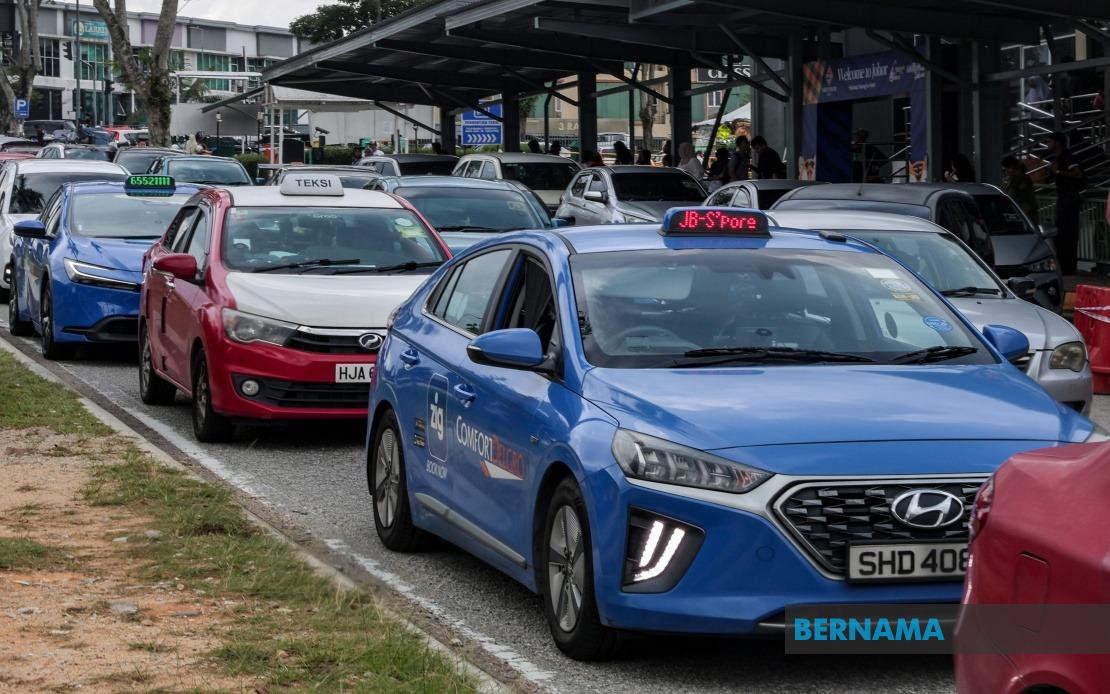
Taxi drivers in Malaysia now have greater flexibility in the National MADANI Taxi Renewal Programme, with the Land Public Transport Agency (APAD) confirming that operators can licence or replace their vehicles with models other than the officially endorsed Proton S70. This move represents a pragmatic adjustment to the government's high-profile taxi modernisation initiative, which was launched on July 3 by Prime Minister Datuk Seri Anwar Ibrahim with considerable fanfare.
The decision addresses a significant gap between policy intention and practical reality. Although the Transport Ministry's policy statement on April 23 emphasised that the Teksi MADANI programme would encourage voluntary participation centred exclusively around the purchase of the Proton S70 taxi package, APAD acknowledged that this approach created genuine hardship for certain applicants. The revised stance now accommodates two distinct categories of drivers: those who already possess vehicles they wish to retain, and those who encountered rejection when applying for hire-purchase financing specifically for the Proton S70 under the programme's structured offerings.
This accommodation is particularly significant because the Proton S70 was carefully selected as the standardised taxi model to modernise Malaysia's transportation sector. The vehicle features contemporary styling without traditional rooftop identification signs and carries a distinctive registration series beginning with the letters "GET". The deliberate branding exercise reflected the government's commitment to reshaping the taxi industry's image domestically and internationally. However, the flexibility now granted suggests that regulatory bodies recognised implementation challenges could have stalled the programme's adoption if rigidly enforced.
The underlying purpose of Teksi MADANI extends beyond aesthetic modernisation. The transformation programme fundamentally restructures ownership arrangements within the sector, enabling taxi drivers to become legal proprietors of their vehicles rather than operating under the traditional leasing framework that has long characterised Malaysian taxi operations. This ownership model shift addresses longstanding industry grievances and provides drivers with greater financial autonomy and asset accumulation potential over their working lives.
The government has demonstrated its commitment to supporting the transition through substantial financial commitments. Prime Minister Anwar Ibrahim announced an additional RM10 million allocation for the Old Vehicle Replacement Matching Grant Programme specifically benefiting taxi drivers. This supplementary funding follows the initial RM10 million appropriation provided under Budget 2026 for the Teksi MADANI implementation. The successive funding allocations indicate governmental recognition that comprehensive support mechanisms are essential for encouraging industry participation and ensuring the programme's success.
An important provision for existing operators ensures operational continuity for those choosing not to participate immediately in the renewal scheme. Taxis that remain unreplaced under Teksi MADANI continue operating legally until they reach the specified vehicle age limit mandated by regulatory authorities. This arrangement prevents sudden disruption to transportation services while the industry transitions toward the new framework, balancing modernisation objectives with practical service continuity concerns.
For Malaysian readers and the broader transportation sector, this flexibility carries multiple implications. Taxi drivers facing financial constraints or those with recently acquired vehicles now retain viable pathways for programme participation without incurring unnecessary replacement expenses. The adjustment also demonstrates administrative pragmatism, where initial policy parameters have been refined based on implementation feedback rather than persisting with potentially counterproductive rigidity. This approach typically improves programme uptake and public perception of government initiatives.
The revised framework particularly benefits lower-income drivers who might struggle with hire-purchase approvals for premium vehicles, a common challenge in Malaysia's lending environment where creditworthiness assessments often disadvantage informal-sector workers. By permitting vehicle choices aligned with individual financial circumstances, APAD has widened the programme's accessibility across different driver demographics and economic backgrounds.
Regionally, Malaysia's taxi modernisation efforts carry broader significance for Southeast Asian transportation planning. Several ASEAN nations face similar challenges regarding aging taxi fleets and outdated operational structures. The Malaysian approach—combining ownership restructuring with vehicle standardisation while allowing implementation flexibility—offers a tested model that other governments may examine for their own sectoral reforms. The programme's evolution from rigid policy to pragmatic implementation demonstrates how regional transportation authorities balance modernisation ambitions with grassroots economic realities.
Looking forward, the programme's success will depend substantially on whether this expanded flexibility translates into meaningful driver participation. Transport observers will monitor adoption rates and whether the permissive stance regarding vehicle selection ultimately strengthens or dilutes the Proton S70's position as the sector's standard model. The additional RM10 million grant allocation suggests the government remains committed to supporting transitions regardless of which approved vehicle models participants ultimately select.
The APAD's willingness to revisit initial programme parameters reflects evolving understanding of taxi industry dynamics and driver capabilities. Rather than viewing the flexibility concession as policy compromise, Malaysian transport authorities appear to have reframed it as essential accommodation enabling broader participation in a fundamentally transformative scheme. Whether this pragmatism yields the desired modernisation outcomes while maintaining financial sustainability will become clearer as implementation progresses through the coming months.

