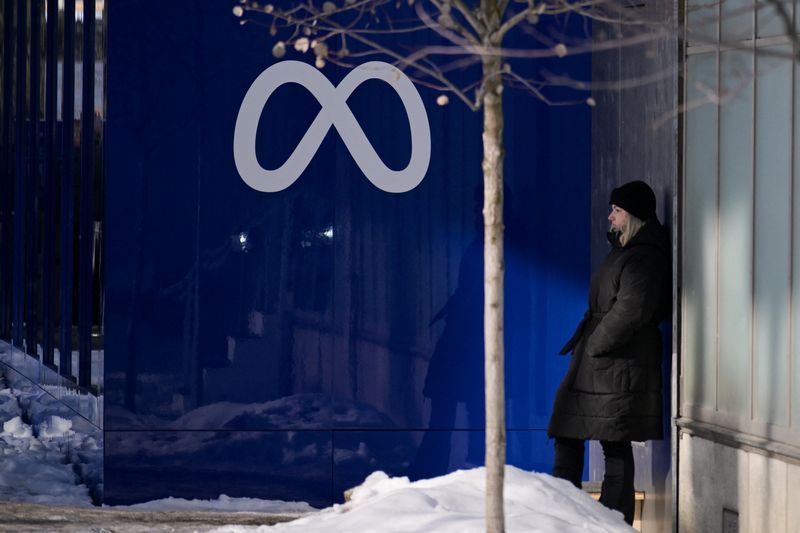
A 15-year-old plaintiff from Florida has abandoned his legal action against Meta Platforms, effectively cancelling a high-profile trial scheduled to commence on Monday in Los Angeles. The decision came after the teenager, identified as R.K.C. in court documents, successfully reached settlement agreements with three other major social media companies, according to disclosures made on Wednesday.
The withdrawal represents a significant development in what has become one of the most consequential legal battles facing the tech industry. The case formed part of a carefully selected group of test cases—known as bellwether trials—designed to establish legal precedents for thousands of similar lawsuits pending across California state and federal courts. These bellwether cases typically attract heightened media attention and generate substantial implications for how juries perceive claims against the defendants, ultimately influencing settlement valuations and negotiating strategies across entire litigation portfolios.
R.K.C.'s original complaint named four prominent social media platforms: Meta's Instagram, Google's YouTube, Snapchat, and TikTok. The teenager alleged that exposure to these platforms beginning at age eight contributed to severe depression and anxiety. YouTube and TikTok reached confidential settlement terms in June, while sources confirmed this week that Snapchat had similarly settled the claims against it. With three defendants out of the case, the trial would have proceeded exclusively against Meta, fundamentally altering the scope of what was initially conceived as a multi-defendant proceeding.
The teenager's legal team justified the withdrawal by pointing to the cumulative success achieved through the settlement negotiations and acknowledged the emotional and psychological toll that a protracted trial would exact. In a statement released Wednesday, attorneys noted that R.K.C. had "elected to withdraw his claims against Meta" in light of these considerations, emphasizing the plaintiff's intention to "close this chapter and focus on his recovery and engage in therapy as he aspires to have a normal life." This framing suggests that the plaintiff's mental health and well-being ultimately weighed more heavily than the prospect of proceeding to trial against the remaining defendant.
Meta responded with a statement asserting that the teenager had terminated his claims without receiving any financial compensation from the company. The company seized on the withdrawal as vindication of its position, declaring that the accusations "never held up" and reaffirming its commitment to vigorously defending itself against what it characterized as "baseless lawsuits." Meta's willingness to cite the dropped case as evidence supporting its legal arguments underscores how even unsuccessful litigation can generate rhetorical ammunition for corporate defendants in the court of public opinion.
The broader litigation landscape reveals the immense scale of legal exposure facing social media companies. More than 3,300 lawsuits consolidated in California state court allege that major platforms deployed deliberately addictive design features and misrepresented safety protections to young users. An additional 2,600 cases, brought by individuals, school districts, municipalities, and state governments, remain pending in California federal court. Nearly every state attorney general has launched independent legal action within their respective state court systems, creating a geographically fragmented but conceptually unified assault on industry practices.
Bellwether cases carry outsized significance in mass tort litigation because they provide crucial information about how ordinary jurors perceive the merits of complex allegations. Attorneys examining these test cases draw conclusions about jury receptiveness, damage calculations, and settlement ranges that ultimately guide negotiations involving hundreds or thousands of remaining claims. The withdrawal of R.K.C.'s case deprives the plaintiff bar of what might have been a second data point about jury sympathies, following the first state court bellwether trial that concluded in March with a jury verdict against the companies.
That initial California state court trial involved a woman who developed problematic social media dependencies beginning in adolescence. The jury ultimately determined that Meta had acted negligently, awarding her $4.2 million in damages; Google was ordered to pay $1.8 million. Snapchat and TikTok had settled that case before trial, but the verdicts against Meta and Google proceeded. In June, a judge rejected both companies' motions to overturn or substantially reduce the jury's findings, leaving the verdicts intact and establishing at least one concrete judicial determination that major social media companies bear legal responsibility for addictive design practices.
The first federal court bellwether case presented a different outcome. A Kentucky school district initiated legal action against Meta, Snapchat, TikTok, and YouTube, alleging that social media platforms had harmed student mental health and academic performance. Before any trial could occur, all four defendants negotiated a settlement yielding $27 million collectively to the district. That resolution prevented jurors from rendering any verdict and instead allowed the companies to resolve the matter through negotiation, though at a substantial financial cost.
The companies have consistently maintained their innocence of the broader allegations, emphasizing that they implement extensive safety mechanisms and age-appropriate content restrictions to protect younger users. Industry representatives argue that while social media carries risks like other technologies, they have invested significantly in mental health resources, parental controls, and community guidelines. This defense strategy attempts to reframe the litigation as misguided overreach rather than accountability for legitimate harms.
For Malaysian readers and Southeast Asian observers, these American lawsuits carry significant implications. The regulatory and legal standards established through American litigation often influence how other jurisdictions approach technology governance. If verdicts or substantial settlements continue accumulating against social media companies in the United States, Malaysian policymakers and courts may cite these precedents when addressing similar concerns about platform design, youth mental health impacts, and corporate accountability. Additionally, many Malaysians use these same platforms, making the legal determination of their safety and design practices internationally relevant.
The progression of these cases suggests that despite corporate resistance, the legal system is gradually establishing precedents holding social media companies responsible for allegedly harmful design choices. R.K.C.'s withdrawal, while removing one test case from the docket, ultimately leaves the broader litigation trajectory intact. The combination of jury verdicts, substantial settlements, and judicial refusals to overturn awards creates an increasingly challenging legal environment for the defendants, regardless of individual case outcomes.

