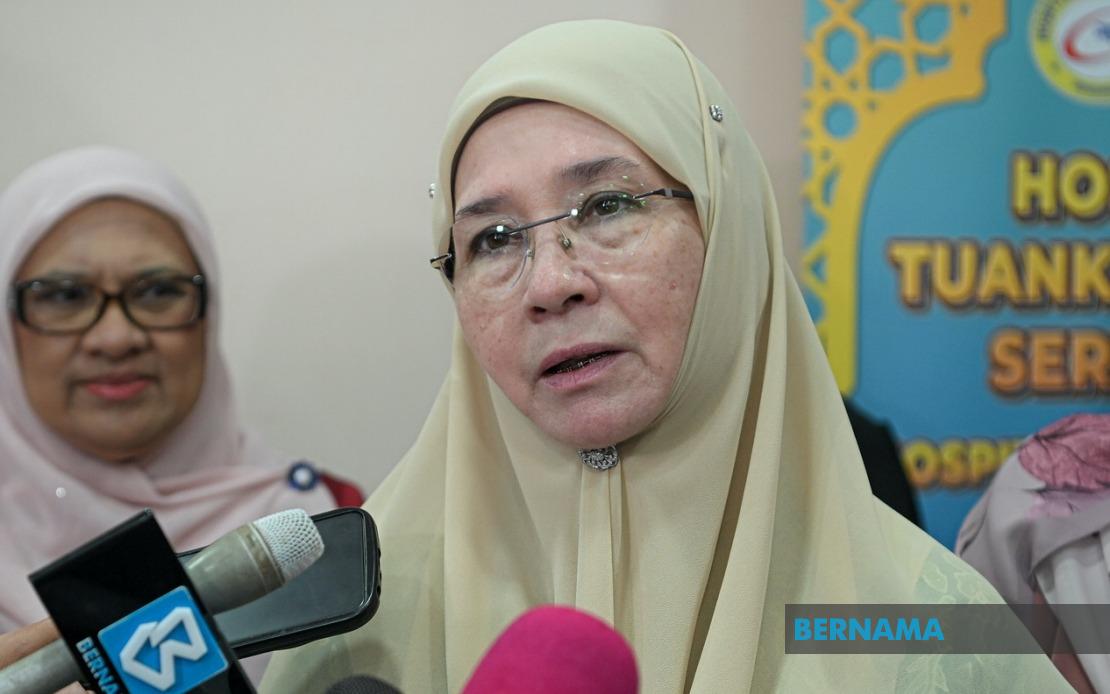
In a significant gesture of compassion towards the indigenous community, Tengku Ampuan Pahang Tunku Azizah Aminah Maimunah Iskandariah has stepped in to address the housing crisis facing Orang Asli families caught in a contentious land dispute in Kampung Sungai Cot, Maran. The offer of temporary resettlement on land she personally owns marks a direct intervention by the state's first lady in one of Pahang's most pressing social issues affecting its most vulnerable residents.
The land dispute in Kampung Sungai Cot has created significant hardship for the Orang Asli community, forcing families to grapple with housing insecurity and an uncertain future. According to Major General Datuk Mohamed Zahari Yahya, the Comptroller of the Royal Household for the Sultan of Pahang, Tunku Azizah has been following the situation closely and recognises both the anxiety and difficulties experienced by those affected. Her willingness to provide land represents more than a mere charitable act—it reflects a deeper commitment to the welfare of Pahang's indigenous population, whom she regards as integral to the state's identity and development.
Tunku Azizah's perspective on the Orang Asli has been shaped by her ongoing academic research into the community's historical and contemporary role in Pahang's development. This scholarly engagement has given her insights into how indigenous peoples have contributed to the region over generations, and how their continued marginalisation poses both social and development challenges. Her thesis work has reportedly fostered a personal connection to the community's plight, moving beyond formal royal obligations to genuine empathy and action.
The resettlement opportunity centres on land in Kuala Wau, also in Maran district, where displaced families can establish new homes. Critically, Tunku Azizah has provided assurances that this arrangement carries long-term protections. Should the Kuala Wau land undergo development in future years, the royal commitment ensures that Orang Asli residents will not be displaced again or left vulnerable to redevelopment pressures. This provision addresses a common pattern in Malaysia where indigenous communities face repeated cycles of displacement as land values rise and development interests intensify.
What distinguishes this initiative is its openness beyond the immediate crisis. The offer extends to any Orang Asli families throughout the region facing housing shortages or seeking new settlement opportunities, provided they obtain royal approval and comply with applicable laws. This broader application signals recognition of systemic housing challenges facing indigenous communities across Pahang, not merely the specific Kampung Sungai Cot situation. The provision suggests awareness that land insecurity affects Orang Asli populations more widely, driven by historical dispossession and ongoing pressures from commercial and development interests.
The protection clause embedded in Tunku Azizah's proposal reflects sophisticated understanding of indigenous rights issues in Malaysia. By guaranteeing that Orang Asli residents will retain their place should future development occur, she addresses a fundamental vulnerability: the tendency for indigenous communities to bear the costs of economic progress while capturing few benefits. This approach acknowledges that true welfare protection requires not just immediate shelter but permanent safeguards against future marginalisation.
Simultaneously, Tunku Azizah has called on all stakeholders to pursue dialogue and constructive engagement to resolve the underlying dispute. Her emphasis on mutual understanding, respect, and balanced outcomes that protect all parties' interests signals a preference for negotiated settlement over adversarial resolution. This diplomatic positioning, while gracious, also implicitly acknowledges the complexity of land disputes in Malaysia, where competing claims and jurisdictional questions often complicate swift resolutions.
The involvement of Prime Minister Datuk Seri Anwar Ibrahim underscores the national significance of the Maran situation. His expected engagement with the Pahang government reflects recognition that indigenous land issues carry political weight beyond state boundaries. However, the constitutional reality remains that land administration falls under state jurisdiction, meaning ultimate resolution requires Pahang state government action alongside federal-level political will. This division of authority often creates implementation gaps where goodwill gestures, however generous, cannot substitute for formal legal and administrative remedies.
For Malaysian policymakers, the Maran dispute illustrates recurring tensions in indigenous land rights. Despite constitutional recognition of Orang Asli interests, disputes arise frequently, suggesting inadequate protective frameworks or enforcement mechanisms. Tunku Azizah's initiative, while commendable, essentially addresses symptoms rather than systemic causes. The absence of robust legal protections that would prevent such disputes from arising in the first place remains a structural challenge facing Malaysia's approach to indigenous welfare.
The resettlement offer also reflects broader patterns in Malaysia's approach to social welfare, where royal patronage and private charitable action frequently fill gaps left by inadequate public provision. While individual magnanimity matters, relying on royal goodwill rather than statutory entitlements places vulnerable communities in precarious positions dependent on personal benevolence. Sustainable solutions require embedding indigenous housing security and land rights into formal policy frameworks rather than leaving communities dependent on case-by-case interventions.
Regionally, Malaysia's Orang Asli situation mirrors challenges faced by indigenous peoples across Southeast Asia. Land disputes, housing insecurity, and systemic marginalisation affect indigenous communities from Thailand to the Philippines to Indonesia. Tunku Azizah's personal engagement demonstrates how individual leadership can mobilise resources, yet Southeast Asian governments collectively grapple with institutionalising indigenous rights protections through law and policy rather than relying solely on elite benevolence.
Looking forward, the success of this initiative will depend partly on implementation quality and partly on whether it catalyses broader policy change. If displaced families secure stable housing in Kuala Wau with genuine long-term protections, the model could demonstrate how public and private resources might better serve indigenous communities. Conversely, if the offer remains largely symbolic without translating into concrete welfare improvements, it may underscore the limitations of philanthropic approaches to structural inequality. The coming months will reveal whether Tunku Azizah's compassionate gesture becomes a template for systemic change or remains an isolated act of royal charity amid persistent indigenous marginalisation.

