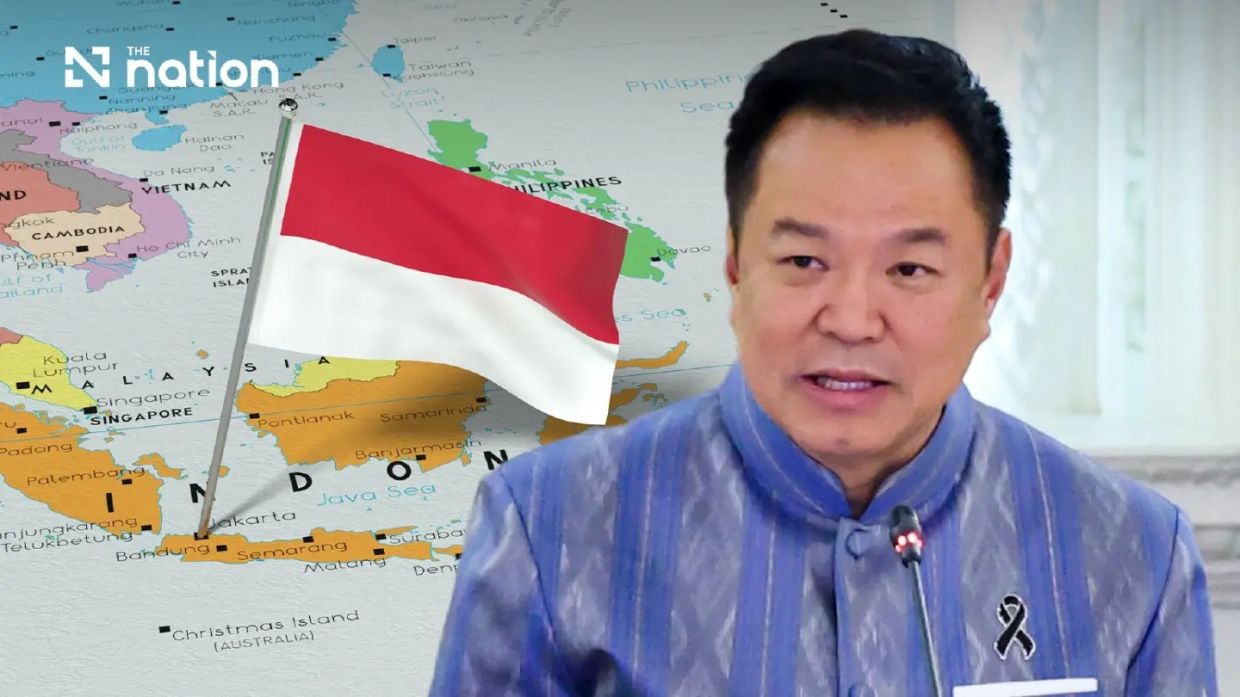
Prime Minister Anutin Charnvirakul is set to travel to Indonesia on August 3-4 for what officials are calling Thailand's first high-level governmental visit to Jakarta in more than a decade and a half. The trip represents a significant diplomatic moment for both nations and comes as Thailand prepares to take the helm of the ASEAN regional grouping in 2028, signalling renewed attention to Thailand's ties with the bloc's largest economy by population and GDP.
The agenda for Anutin's meetings with Indonesian President Prabowo Subianto is notably expansive, reflecting the breadth of interests that both nations seek to advance. Beyond the traditional diplomatic pleasantries, the visit targets concrete areas for enhanced cooperation including trade expansion, investment flows, tourism development, security matters, food security initiatives, energy partnerships and educational exchanges. This multifaceted approach underscores how Bangkok views the relationship with Jakarta not merely as a bilateral diplomatic courtesy but as a driver of tangible economic and strategic benefits for Thai citizens.
Indonesia's sheer scale makes it an unavoidable priority for Thai policymakers. With approximately 280 million people, the archipelago nation dwarfs Thailand's 70 million population and represents the region's economic powerhouse. For Thai businesses ranging from agricultural exporters to manufacturing firms and service providers, the Indonesian market represents an enormous untapped potential. Government Spokesperson Rachada Dhnadirek has emphasised that closer bilateral engagement could unlock new pathways for Thai goods to reach Indonesian consumers and create reciprocal investment opportunities that benefit both economies.
The strategic timing of this visit is particularly significant given the global and regional economic turbulence. As traditional supply chains face disruption and competition intensifies among regional trading blocs, Thailand recognises that strengthening ties with Indonesia can stabilise Thai export routes and create more resilient business networks. The visit represents an attempt to move beyond formal diplomatic statements toward creating actionable frameworks that will allow Thai companies, particularly small and medium-sized enterprises, to establish firmer footing in Indonesia's vast market. The prospect of knowledge transfers and technology cooperation in complementary sectors adds another dimension to these aspirations.
Anutin's appearance at the ASEAN Secretariat in Jakarta holds particular importance beyond bilateral considerations. His address is intended to lay out Thailand's vision for the regional organisation as it approaches its role as 2028 chair. Thailand's position requires careful navigation of intra-ASEAN dynamics while maintaining its own strategic independence. The speech will articulate Thailand's commitment to an ASEAN that remains unified, economically robust and genuinely responsive to the needs of ordinary citizens across the region, rather than serving merely elite interests or state agendas.
The diplomatic choreography of the visit itself is revealing about how modern Thai-Indonesian relations are being conducted. The formal ceremonies, bilateral discussions and delegation-level meetings scheduled for August 3 follow a well-established protocol, but the subsequent day's programming suggests something more innovative. The business forum bringing together the Thai Chamber of Commerce with Indonesia's KADIN signals that both governments recognise private sector engagement as crucial to deepening ties. Rather than leaving commerce to market forces alone, the two nations are deliberately creating platforms for their business communities to identify synergies and forge partnerships.
This approach reflects a broader foreign-policy philosophy articulated by Bangkok's government: that diplomatic engagement should directly translate into improved economic opportunities and enhanced living standards for ordinary citizens. Rachada's comments emphasise this linkage explicitly, positioning foreign policy not as an abstract pursuit but as a tool for job creation, income generation and quality-of-life improvements. This framing is particularly important in a Thai context where public trust in institutions remains variable and tangible economic benefits from government action help legitimise policy decisions.
The strategic context animating this visit extends beyond the bilateral sphere. Both Thailand and Indonesia, as founding ASEAN members, wield considerable influence over the bloc's direction and effectiveness. As geopolitical competition intensifies between major powers and transnational challenges like organised crime persist, the ability of ASEAN to act cohesively becomes increasingly important. Anutin and Prabowo's discussions on regional connectivity, sustainable development and maintaining Southeast Asia as a zone of stability and economic opportunity represent responses to shared concerns about the region's strategic autonomy.
For Southeast Asian business communities watching from other capitals, this visit carries implications beyond Thailand-Indonesia dynamics. The investment and trade cooperation frameworks being discussed could reshape regional supply chains and market access patterns. Malaysian and Singaporean companies, among others, operate within ASEAN's broader ecosystem and may find themselves navigating new Thai-Indonesian partnerships. The strengthening of bilateral ties at this level could accelerate regionalisation trends or alternatively create parallel networks that fragment ASEAN's economic integration.
The focus on food security and agricultural cooperation also merits attention given Southeast Asia's significance as a global food producer and exporter. Thailand and Indonesia together represent substantial portions of regional agricultural output and possess complementary agricultural profiles. Deeper cooperation in this sector could enhance regional food stability at a time when global supply disruptions and climate variability pose ongoing concerns.
Anutin's visit ultimately reflects Thailand's calculation that re-engaging major regional partners at the highest levels is essential to Thailand's long-term prosperity and influence. By anchoring these visits to concrete deliverables rather than symbolic gestures, the Thai government is attempting to demonstrate that its international engagement serves practical national interests. Whether these aspirations translate into sustained increased trade flows, investment inflows and institutional innovations will become apparent in subsequent months as both governments implement commitments made during these August discussions.

