Thailand will serve as the venue for two separate informal consultations among ASEAN foreign ministers centred on Myanmar's deteriorating political situation, marking a significant diplomatic effort by the regional bloc to maintain engagement with the crisis-hit nation. The meetings, scheduled for Sunday in Bangkok, represent an attempt by Southeast Asia's leading intergovernmental organisation to navigate the complex challenge of addressing Myanmar's internal turmoil whilst preserving dialogue channels with its military-led administration.
The dual-track approach involves an informal gathering of ASEAN foreign ministers alongside Myanmar's Foreign Minister U Tin Maung Swe, complemented by an extended informal consultation format that provides additional space for candid discussion. This structure allows participating nations to exchange perspectives more freely than formal settings typically permit, whilst maintaining the flexibility that informal frameworks afford in delicate diplomatic circumstances.
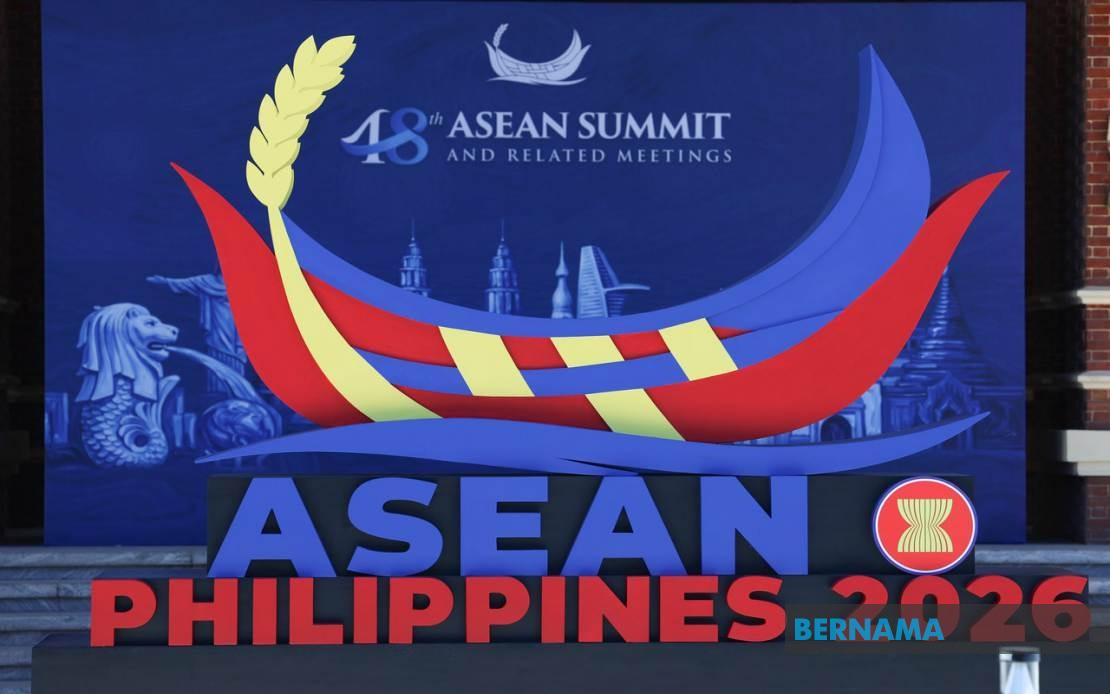
The Philippines, holding ASEAN's rotating chair for the current period, will preside over these consultations, whilst Thailand assumes the hosting role. This division of labour reflects standard ASEAN practice, where host countries provide logistical support and hospitality whilst the chair steers proceedings and ensures alignment with the organisation's broader objectives. Deputy spokesperson for the Thai Foreign Ministry Maratee Nalita Andamo outlined the purpose and scope of the gatherings during a ministry briefing, emphasising their significance within ASEAN's evolving approach to Myanmar.
At the heart of these discussions lies ASEAN's Five-Point Consensus, a framework adopted to guide the regional response to Myanmar's political crisis. The consensus encompasses principles regarding immediate cessation of violence, genuine dialogue among stakeholders, humanitarian assistance, mediation by ASEAN's special envoy, and establishment of a timeframe for the consensus's implementation. Thai officials stressed that these meetings would focus on identifying practical pathways to translate these principles into concrete action on the ground in Myanmar.
For Malaysia and other ASEAN members, the informal nature of these consultations carries particular significance. Malaysia, along with other ASEAN nations, has grappled with balancing its commitment to the principle of non-interference in member states' internal affairs against mounting international pressure and domestic concerns about Myanmar's escalating violence and humanitarian deterioration. The informal format allows governments to explore positions and build consensus without the rigidity that formal declarations would impose, potentially creating space for constructive problem-solving.
Maratee emphasised that these gatherings represent a measured escalation in ASEAN's engagement strategy rather than a departure from established positions. The emphasis on informality serves an important function: it signals willingness to work more intensively with Myanmar's ruling administration whilst avoiding the appearance of legitimising or rewarding the military leadership's conduct. This delicate balancing act reflects the internal divisions within ASEAN itself, where member states hold varying views on how firmly to pressure Myanmar and whether sustained engagement remains viable.
The expected attendance of Philippine Secretary for Foreign Affairs Maria Theresa Lazaro, Thailand's Foreign Minister Sihasak Phuangketkeow, and Myanmar's U Tin Maung Swe underscores the high-level commitment these nations are placing on the dialogue. The participation of Myanmar's foreign minister in particular marks an opportunity for direct engagement that has become increasingly rare as the humanitarian situation has deteriorated and international isolation of the junta has intensified.
Crucially, Thai officials confirmed that no formal outcome document would emerge from these meetings. This absence of a communiqué or joint statement is itself significant, reflecting ASEAN's cautious approach. It prevents the potential hardening of positions into written commitments that could prove difficult to fulfil, whilst leaving room for continued diplomatic flexibility and further consultations. The focus instead remains on opening channels of communication and exploring possibilities for movement on the Five-Point Consensus without creating new constraints on member state behaviour.
For Malaysia and other Southeast Asian nations, the success of these consultations will be measured not by dramatic announcements but by whether they genuinely advance the prospects for humanitarian access, reduction in violence, and political dialogue within Myanmar. The current impasse—with Myanmar's military administration showing little inclination to compromise and the broader international community increasingly isolating the junta—presents serious challenges to ASEAN's engagement strategy.
The timing of these meetings reflects ongoing concern within the region that Myanmar's situation risks destabilising the broader Southeast Asian neighbourhood. Spillover effects, including refugee flows, transnational criminal networks exploiting chaos, and potential internationalisation of the conflict, pose direct threats to ASEAN members including Malaysia. By maintaining dialogue with Myanmar, ASEAN attempts to preserve its relevance as a regional actor whilst positioning itself to influence developments rather than being sidelined by external powers.
These informal consultations also serve an important internal ASEAN function: they provide an opportunity for member states with differing perspectives on Myanmar to harmonise their approaches without the formality that would amplify disagreement. The extended consultation format allows interested parties to participate more fully in discussions, potentially building broader consensus around whatever modest progress might be achievable in the near term.
Moving forward, the outcome of these Bangkok meetings will likely influence whether ASEAN can develop a more coherent and effective strategy for engagement. The challenge remains formidable: Myanmar's crisis shows few signs of resolution, humanitarian conditions continue deteriorating, and international pressure on ASEAN to take stronger stands continues mounting. These informal consultations represent neither capitulation nor confrontation, but rather ASEAN's continuing attempt to maintain engagement whilst acknowledging the profound difficulties involved.

