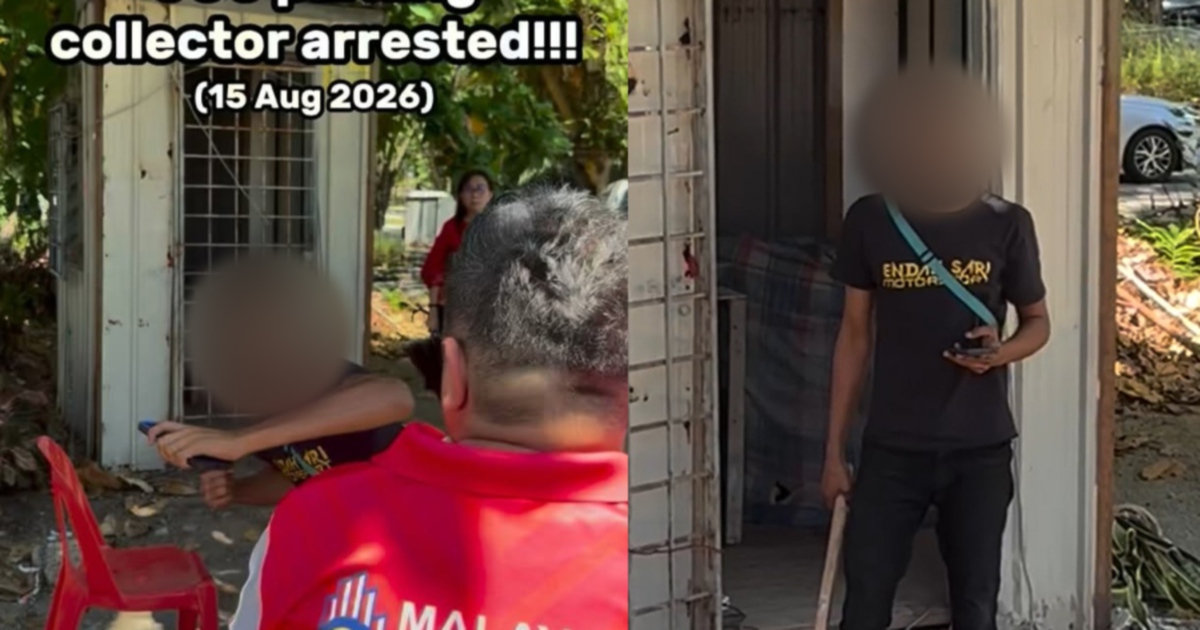
Kuala Lumpur police have made three arrests in connection with a violent altercation involving a 38-year-old woman who was allegedly struck and intimidated by men operating an unlawful parking fee collection scheme in the OUG residential area. The incident underscores an ongoing problem affecting Malaysia's urban neighbourhoods, where informal and unregistered parking operatives continue to extract unofficial charges from residents and visitors despite efforts by authorities to stamp out such activities.
The woman's decision to confront the men over their illegal parking operations escalated when she was reportedly punched in the head, an act of violence that authorities have taken seriously enough to pursue criminal charges. The assault was accompanied by threats, suggesting a calculated intimidation tactic commonly employed by those profiting from shadow economy activities. The victim's willingness to challenge the perpetrators reflects growing community frustration with these parasitic operations that have become entrenched in certain residential zones across the Klang Valley.
Unauthorised parking fee collectors represent a particular menace in Malaysian residential areas, where residents often find themselves coerced into paying charges for parking in their own neighbourhoods or at communal facilities. Unlike legitimate residential associations or local council parking management systems, these informal operations lack transparency, accountability, and proper regulation. The operators typically work without any formal licensing or oversight, pocketing funds that should either benefit residents or local authorities. This underground economy thrives partly because enforcement against such activities remains inconsistent and challenging for police to monitor comprehensively.
The OUG district, a well-established residential neighbourhood in Kuala Lumpur, has apparently become a focal point for such operations. The incident suggests that resident tolerance for these activities is wearing thin, with individuals increasingly willing to challenge what they perceive as extortion. However, the violent response from the accused men demonstrates the risks residents face when attempting to take matters into their own hands rather than relying on official channels and law enforcement.
Police have responded with arrests, indicating that authorities view both the illegal parking scheme and the subsequent assault as serious matters warranting criminal investigation. The charges are likely to encompass both the unlawful operation of the parking collection scheme itself and the physical assault that occurred. This dual approach recognises that victims should not have to resort to confrontation to stop illegal activities, and that those operating such schemes cannot be permitted to employ violence to protect their operations when challenged.
The incident carries broader implications for how Malaysian residential communities address informal economic activities that have taken root in their neighbourhoods. Many residents live with these arrangements, either through resignation or lack of awareness of reporting mechanisms, while others tolerate them as a minor inconvenience. However, the normalisation of such practices ultimately erodes trust in formal governance structures and creates pockets where law enforcement struggles to maintain order.
For residents across the Klang Valley and other major Malaysian cities, the case offers a cautionary reminder that confronting such operators directly carries inherent risks. Authorities generally recommend that those encountering illegal parking fee schemes report the matter to local police or their respective local council authorities, who possess the proper channels and enforcement mechanisms to investigate and act. Community feedback to municipal authorities can also help identify problem areas where coordinated enforcement efforts might be more effective.
The broader question of why such schemes persist suggests systemic gaps in local governance and enforcement capacity. Residential areas lacking active community management or with weak resident associations may be more vulnerable to opportunists seeking to exploit parking demand for unauthorised profit. Strengthening community organisations, enhancing police patrol presence in residential zones, and improving coordination between residents and local authorities could all contribute to reducing the prevalence of these operations.
As the three arrested men proceed through the criminal justice system, the case will likely serve as a test case for how Malaysian courts treat both the operational aspects of illegal parking schemes and the violence employed to protect them. The outcome may influence how aggressively authorities pursue similar operations elsewhere and whether enhanced penalties might deter future perpetrators from engaging in both the schemes themselves and any accompanying violence.
For the 38-year-old victim, the assault and its aftermath will likely carry lasting consequences. Her willingness to challenge the operators, despite the risks, reflects the frustration many residents feel toward these parasitic activities. Moving forward, ensuring that residents have accessible, effective means to report and address such problems—without facing personal danger—remains an essential responsibility of Malaysia's law enforcement and local governance structures.

