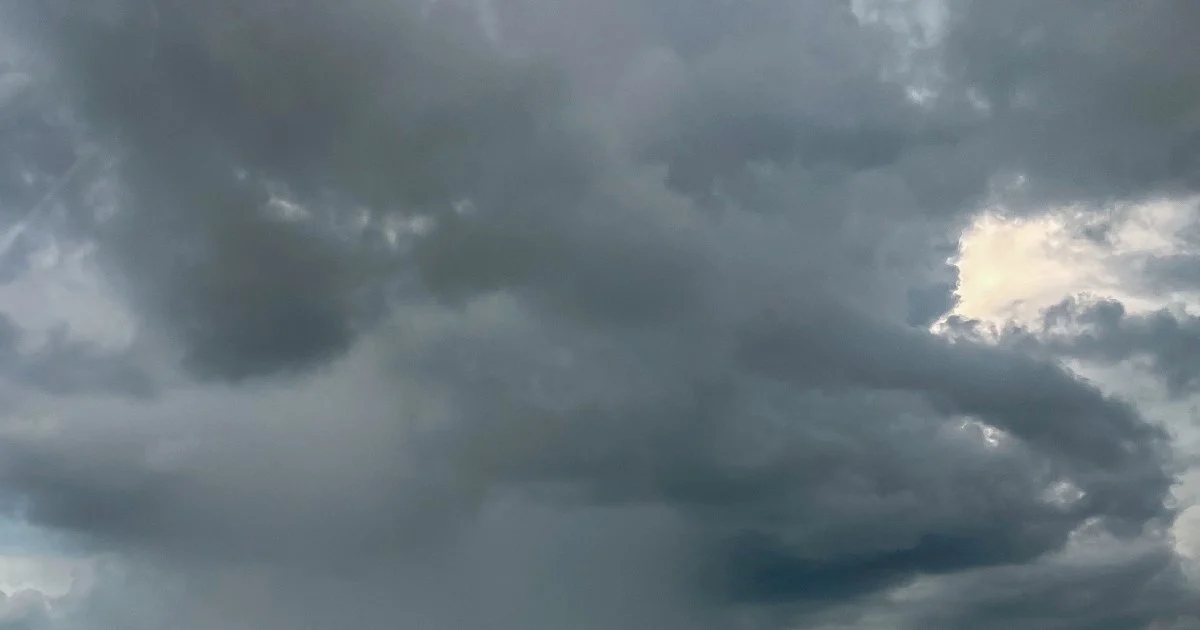
The Malaysian Meteorological Department has issued an urgent weather warning for four northern states, cautioning residents and travellers to prepare for severe thunderstorms accompanied by heavy rainfall and powerful wind gusts that are expected to persist until noon. The alert underscores the volatile weather patterns that characterise Malaysia's monsoon seasons, when atmospheric instability frequently triggers sudden atmospheric disturbances across the peninsula's northern regions.
Thunderstorms of this intensity pose significant hazards to communities and infrastructure. Heavy downpours occurring within compressed timeframes can overwhelm drainage systems, particularly in urban areas with ageing water management infrastructure. Strong winds during such conditions can cause structural damage to buildings, fell trees, and disrupt power distribution networks, leaving residents without electricity for extended periods. The combination of these meteorological phenomena creates a cascade of challenges that extend beyond immediate safety concerns to encompassing broader societal disruptions.
For Malaysian commuters and business operations, mid-morning thunderstorms represent a critical disruption window. Peak travel times coincide with the warning period, meaning substantial numbers of workers and students face treacherous commuting conditions. Visibility reduction from heavy rain combines with strong wind gusts to create hazardous driving and riding conditions on major highways and secondary roads. Public transportation services frequently experience delays and cancellations during such weather events, compounding journey times and creating ripple effects across urban productivity schedules.
Aircraft operations at northern Malaysian airports may face temporary disruptions as flight safety protocols mandate holding patterns or ground delays during active thunderstorm conditions. While modern aviation infrastructure includes sophisticated weather detection systems, pilot safety remains paramount. The warning period aligns with international flight schedules, potentially affecting both domestic and regional air traffic. Airlines typically issue travel advisories well in advance when such weather systems develop, allowing passengers to adjust travel arrangements proactively.
Severe thunderstorm warnings carry particular significance for agricultural regions concentrated in Malaysia's northern states. Smallholder farmers and commercial agricultural enterprises face risks from storm surge, soil erosion, and crop damage. Depending on seasonal timing, these weather events can devastate young crops or damage mature produce awaiting harvest. The economic implications for rural communities relying on agricultural income remain substantial, particularly when thunderstorms occur during critical growing phases.
MetMalaysia's forecasting capabilities have improved considerably over recent years through enhanced satellite technology and computational meteorology. The precision of weather warnings has become increasingly granular, allowing specific time windows and affected geographical areas to be communicated with greater accuracy. The noon deadline specified in this warning reflects MetMalaysia's assessment that atmospheric instability should dissipate by midday as solar heating patterns evolve throughout the morning. This temporal specificity provides communities with clearer guidance for planning activities and implementing protective measures.
Residents in affected northern states are advised to remain indoors during peak storm intensity, secure loose outdoor items, avoid flooded areas, and stay updated via official meteorological channels. Schools, government offices, and private enterprises typically implement contingency protocols when severe weather warnings activate, with some facilities operating under reduced capacity or suspending services temporarily. The announcement serves as a critical public safety mechanism, allowing institutions and individuals to prioritise wellbeing over routine schedules.
Power utility companies in northern Malaysia typically pre-position maintenance crews during forecast severe weather events. Fallen trees, damaged power lines, and transformer failures are common consequences of thunderstorms with strong winds. By positioning resources strategically, utilities can respond more rapidly to service disruptions and restore electricity to affected areas expeditiously. However, heavy rainfall can restrict crew movement in certain locations, sometimes prolonging restoration timelines despite advance preparations.
For Southeast Asian context, Malaysia's thunderstorm patterns reflect broader tropical meteorology affecting the entire region. Thailand, Indonesia, and the Philippines experience comparable weather systems during their respective monsoon periods. Cross-border climate patterns mean that weather systems originating from one nation frequently influence conditions across neighbouring territories. Regional meteorological cooperation through organisations like the Asean Secretariat enables better coordinated forecasting and disaster response across boundaries.
The frequency and intensity of thunderstorms appear connected to larger climate patterns, though attribution to long-term climate change requires sophisticated analysis. Malaysian meteorologists continue monitoring whether extreme weather events are increasing in frequency or intensity relative to historical baselines. Understanding these trends carries implications for urban planning, drainage infrastructure design, and building codes across Malaysia's rapidly developing cities.
This latest warning exemplifies why meteorological services remain essential public infrastructure. Real-time weather monitoring, accurate forecasting, and timely dissemination of alerts protect lives and enable rational decision-making by individuals and organisations alike. As Malaysia continues experiencing unpredictable weather patterns driven by complex atmospheric dynamics, maintaining investment in forecasting capacity and public communication systems remains critical for national resilience.