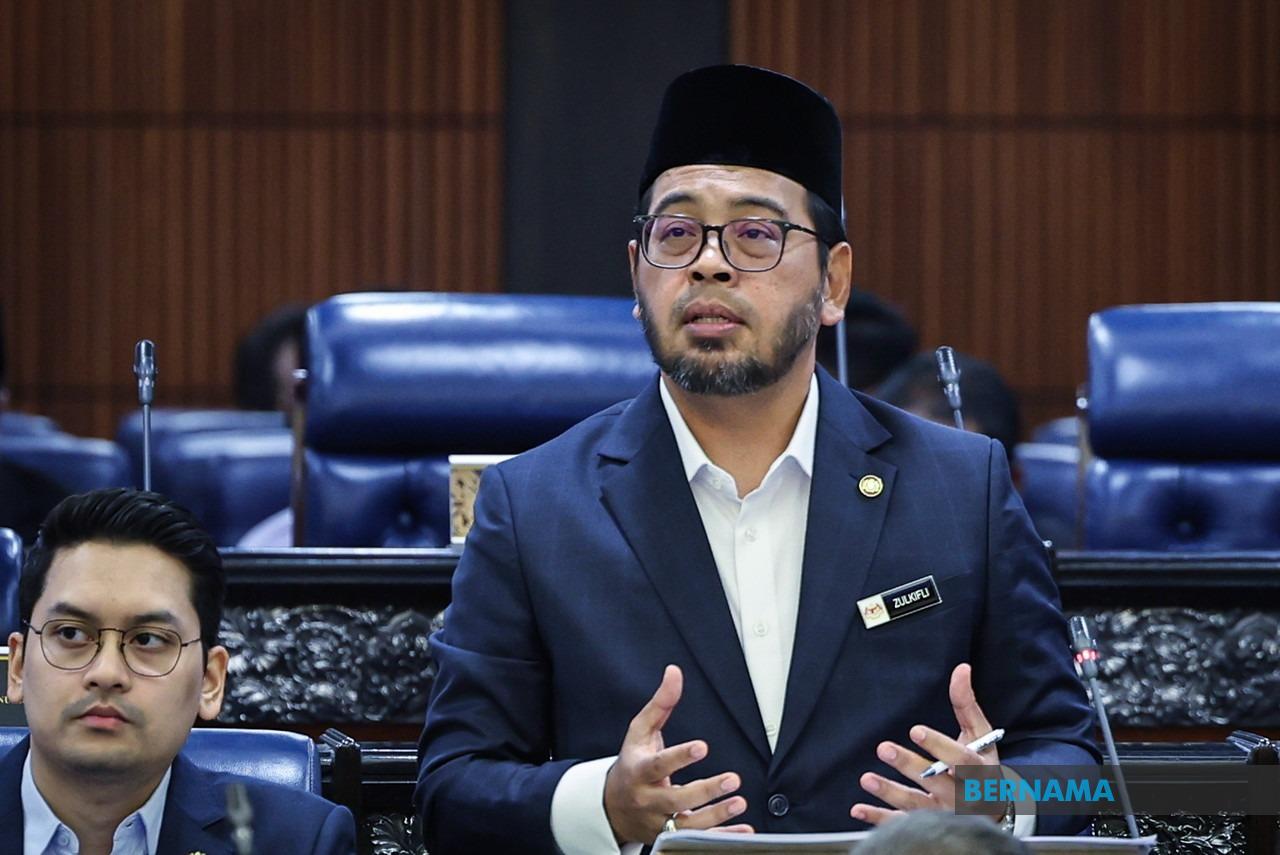
Malaysia is moving forward with comprehensive legislative reforms to strengthen oversight of Tabung Haji's financial operations, according to Dr Zulkifli Hasan, Minister in the Prime Minister's Department (Religious Affairs). The proposed amendments to the Tabung Haji Act 1995 will introduce more explicit legal provisions governing accounting standards and establish penalties for financial misreporting, drawing directly from recommendations contained in a Royal Commission of Inquiry report that examined the pilgrimage fund's management over a seven-year period ending in 2020.
The RCI report, made public on July 29 after cabinet approval to release its findings, identified significant governance gaps and operational deficiencies within Tabung Haji during the period from 2014 to 2020. Rather than shelving the recommendations, the government has committed to systematically reviewing and implementing the commission's suggestions through formal legislative amendments. This approach signals a deliberate policy shift toward institutional reform and accountability within one of Malaysia's most important faith-based financial entities, which manages the savings and investments of millions of Malaysian Muslims preparing for the Hajj pilgrimage.
A critical component of the reform agenda involves restructuring regulatory oversight of Tabung Haji's investment and fund management functions. A task force comprising the Tabung Haji chairman, the Bank Negara Malaysia governor, and the Securities Commission chairman has been established to examine how best to apply financial market regulatory frameworks to the pilgrimage fund's operations. The task force has recommended that the Securities Commission assume regulatory authority over Tabung Haji's fund management and investment activities, while hajj management itself would remain under the jurisdiction of the Minister in the Prime Minister's Department for Religious Affairs. This institutional arrangement preserves Tabung Haji as a unified entity while introducing specialised oversight tailored to its distinct operational functions.
The compensation practices within Tabung Haji emerged as a particularly contentious issue during the RCI inquiry, prompting specific recommendations to curtail executive and staff bonuses that the commission determined were excessively generous relative to institutional performance. In response, Tabung Haji has already implemented a revised bonus framework that ties staff compensation directly to overall institutional financial performance and individual key performance indicators. All bonus payments now require dual ministerial approval from both the religious affairs and finance ministers, establishing an external check on compensation decisions that prevents unilateral executive discretion over remuneration.
Profit distribution practices have also undergone significant revision to align with RCI recommendations for greater transparency and consistency. Since 2022, Tabung Haji has announced its profit distribution rates exclusively on the basis of audited annual financial statements, eliminating previous practices that the commission found problematic. This shift ensures that dividend calculations reflect verified financial outcomes rather than projections or incomplete data, thereby providing the fund's members with more reliable information when assessing their investment returns. The institution has concurrently ensured full compliance with relevant accounting standards since 2018, representing a foundational move toward international best practices in financial reporting.
The governance structure of Tabung Haji's board and leadership is undergoing parallel reform, with new appointment procedures emphasizing expertise, integrity and professional capability. The RCI recommended comprehensive revision of the Tabung Haji Act 1995 to establish specific eligibility criteria and competency-based selection processes for board members, alongside prohibitions on active politicians assuming the positions of chairman or board member. Such restrictions would align Tabung Haji's governance framework with that of independent regulatory bodies and professional institutions, reducing the prospect of political interference in investment and operational decisions. The government has already begun implementing leadership appointments through fitness and propriety assessments modelled on Bank Negara Malaysia's established framework, drawing from a pool of experienced technocrats and individuals recognised for professional integrity.
The Royal Commission report itself represents a rare instance of comprehensive institutional introspection within Malaysia's public sector. The 211-page document was subjected to parliamentary scrutiny during a special sitting of the Dewan Rakyat, allowing Members of Parliament to examine the findings and debate their implications for the millions of Malaysians whose hajj savings are held within the fund. This open parliamentary process, culminating in ministerial responses and debate led by Dr Zulkifli Hasan and Finance Minister II Datuk Seri Amir Hamzah Azizan, demonstrates governmental accountability and creates a record of policy responses to institutional failings.
For Malaysian Muslims preparing for hajj, these reforms carry direct relevance to the security and transparency of their accumulated savings. Many Malaysians contribute monthly to Tabung Haji accounts over decades, viewing the fund as a trusted custodian of capital dedicated to fulfilling one of Islam's five pillars. The governance and investment failures identified during the 2014 to 2020 period potentially eroded public confidence in the institution's stewardship. By implementing structured reforms, establishing independent regulatory oversight, and tightening financial reporting requirements, the government aims to restore institutional credibility and provide members with greater assurance regarding the prudent management of their funds.
The transition toward Securities Commission oversight of Tabung Haji's investment portfolio also signals Malaysia's intention to subject the fund's asset management to the same regulatory scrutiny applied to conventional investment institutions. The Securities Commission possesses established expertise in monitoring fund performance, managing investment risk and enforcing compliance with securities law. By extending this regulatory apparatus to Tabung Haji, the government ensures that the pilgrimage fund's investment decisions are subject to professional oversight comparable to that applied to other major Malaysian financial institutions, whilst maintaining the fund's distinct operational focus on hajj facilitation and Islamic financial principles.
The broader implications of these amendments extend beyond Tabung Haji itself, potentially establishing precedents for governance reform across other Malaysian faith-based and public institutions. The government's willingness to publicly acknowledge institutional shortcomings, commission independent inquiries and implement systematic reform demonstrates a model for institutional accountability that could influence governance practices elsewhere in the public sector. For regional observers, Malaysia's approach to Tabung Haji reform illustrates how Muslim-majority nations can subject religiously significant institutions to professional governance standards and independent oversight without compromising religious mission or public trust.
Implementation of the proposed amendments to the Tabung Haji Act 1995 will require careful legislative drafting to balance enhanced regulatory oversight with the institution's autonomy in hajj management and operational decision-making. The task force's recommendation to vest securities regulation with the Securities Commission while preserving religious affairs ministry involvement in hajj operations reflects an attempt to partition regulatory authority according to functional expertise. As these legislative amendments progress through parliamentary processes, their design will test the government's commitment to institutional reform whilst maintaining the delicate balance between professional governance and religious institutional autonomy that characterizes Malaysia's approach to state-supported Islamic financial entities.

