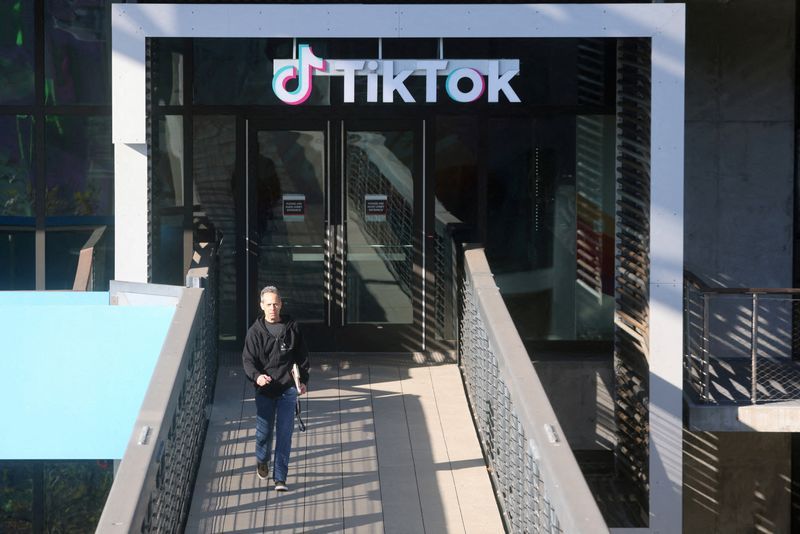
TikTok has agreed in principle to settle a lawsuit brought by a teenager from Florida who alleged that the platform's design deliberately fostered addiction and harmed his mental health, according to representatives from Morgan & Morgan, the law firm representing the plaintiff. The agreement marks another significant retreat by a major social media company facing mounting legal pressure over the role these platforms play in youth mental health crises, though the final terms remain under negotiation. The unnamed plaintiff, identified as R.K.C. and aged 15, had claimed that exposure to TikTok's algorithmically-driven content feeds caused him to experience depression, anxiety and severe sleep disruption.
The teenager's case represents part of a broader legal storm engulfing the social media industry, with courts in California already becoming the epicentre of litigation targeting platform companies over their handling of young users. R.K.C. originally filed suit against four major platforms—YouTube, Instagram, Snapchat and TikTok—having begun his engagement with social media at approximately eight years old. The expansion of internet use at ever-younger ages has become a focal point for regulators and legal advocates concerned about developmental risks during critical periods of childhood growth. YouTube, owned by Google, previously settled the teenager's claims against it in June, leaving Meta's Instagram and Snap's Snapchat still positioned for trial proceedings commencing in late July.
The settlement reflects a pattern of companies preferring negotiated exits to the uncertainty and reputational damage of courtroom battles. The first case to proceed to verdict in California state court, which concluded in March, resulted in a jury finding Meta and Google liable for negligence over their platforms' design features. That verdict required Meta to pay $4.2 million in damages and Google to pay $1.8 million, a significant outcome even though both companies had previously settled with the original plaintiff. A judge subsequently rejected their motion to overturn the decision in June, effectively cementing the legal foundation for future claims. This precedent has likely influenced TikTok's calculation that settlement offers better protection than continued litigation.
The volume of pending cases demonstrates the scale at which this litigation has unfolded across the American legal system. More than 3,300 addiction-related lawsuits targeting social media companies are currently proceeding through California state courts, with an additional 2,600 cases initiated by individual plaintiffs, school districts, municipalities and state governments pending in federal court. Beyond these concentrated filing zones, nearly every state has launched its own legal action against the platforms, accusing them of misrepresenting safety features while deliberately engineering products to maximise engagement among minors. This multi-front assault has created an unprecedented litigation environment for the companies, forcing them to allocate substantial resources to legal defence across numerous jurisdictions.
Federal court proceedings have already produced dramatic results demonstrating the financial stakes involved. A Kentucky school district achieved a $27 million settlement against Meta, Snap, TikTok and YouTube in a case that was originally scheduled to proceed to trial in June. That outcome represented a meaningful victory for public institutions seeking compensation for the alleged impacts of social media addiction on their student populations. The case highlighted how platforms' practices extend beyond individual harm to affect institutional functioning and community resources. Similar actions initiated by state governments and school districts across the country signal that the litigation is no longer confined to individual plaintiffs but has expanded to encompass systemic institutional concerns.
The companies have maintained that they implement comprehensive safety protocols designed to protect younger users and prevent problematic engagement patterns. Their defence strategy emphasises voluntary measures including parental controls, daily time limits and age-appropriate content filtering systems. However, legal filings from affected users and their representatives have consistently challenged whether these measures constitute meaningful protections or merely represent superficial compliance gestures. The argument hinges on whether platforms' core business models—dependent on maximising user attention and engagement—can coexist with genuine prioritisation of youth welfare. For Malaysian readers and Southeast Asian observers, these American precedents carry significance as they potentially establish legal frameworks and liability standards that could influence future regulation in this region.
The trajectory of these cases has profound implications for how social media companies operate globally. Losing verdicts and mounting settlement costs may eventually incentivise genuine architectural changes to how algorithms function and how engagement-maximising features are deployed to younger audiences. Some analysts suggest that the financial and reputational consequences of American litigation could prompt broader shifts in international platform policies, since implementing uniform global standards often proves simpler than maintaining separate systems across jurisdictions. For Southeast Asia, where social media penetration among young people exceeds many Western markets and regulatory frameworks remain less developed, the outcomes of American litigation may eventually establish precedents that inform national regulators' approach to platform oversight.
The remaining trials scheduled to proceed in late July will test whether the March verdict represents a sustained pattern or an anomaly. Meta and Snapchat's continued willingness to proceed to trial suggests either confidence in their legal positions or calculations that defending their practices carries less reputational risk than settling. However, settlement pressures often intensify as trial dates approach and companies face heightened exposure through discovery processes and public testimony. The decisions these companies make in the coming months will likely determine whether the social media litigation wave accelerates into a prolonged period of settlements and verdicts or gradually resolves through negotiated outcomes.
The underlying policy questions driving this litigation extend beyond compensation for individual plaintiffs. Courts and policymakers are grappling with fundamental questions about how platforms should balance commercial interests against developmental risks, what disclosure obligations companies owe to parents and users, and whether existing consumer protection frameworks adequately address products designed specifically to maximise engagement among vulnerable populations. The American legal system, lacking comprehensive federal social media regulation, has increasingly relied on tort litigation and state-level actions to establish standards. This patchwork approach creates uncertainty for platforms but also reflects the urgency with which courts and communities are attempting to address perceived harms. As these cases accumulate and verdicts establish precedent, the practical and legal landscape for social media operations will inevitably shift.

