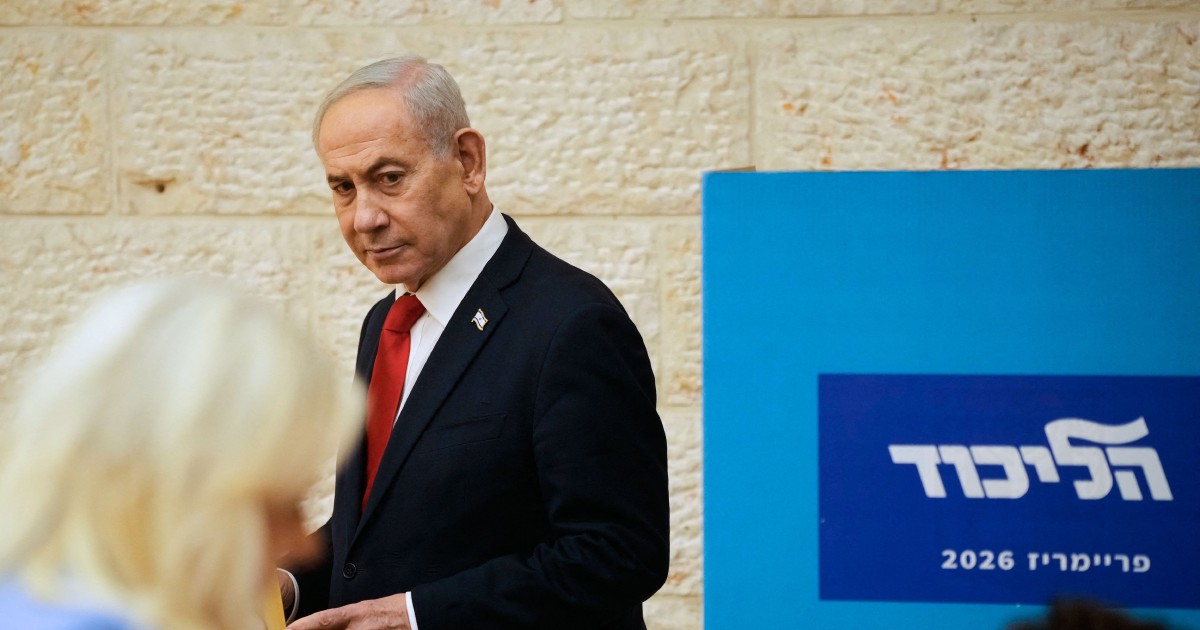
Turkey has escalated its legal action against Israel by issuing an international arrest warrant for Prime Minister Benjamin Netanyahu, Justice Minister Akin Gurlek announced Friday. The move represents a dramatic assertion of Turkish jurisdiction over a matter that has strained relations between the two Middle Eastern nations, with implications that extend across the Eastern Mediterranean and Southeast Asian diplomatic circles watching regional developments.
The arrest warrant stems from Turkey's investigation into Israel's interception of an aid flotilla intended for Gaza. This action underscores Ankara's deepening commitment to holding Israeli officials accountable for what Turkish authorities characterize as violations surrounding the provision of humanitarian assistance to the Palestinian territory. The announcement came through official channels via social media, reflecting the increasingly public nature of the diplomatic dispute.
The flotilla interception has become a flashpoint in Turkish-Israeli relations, touching on longstanding tensions over Middle East policy and humanitarian concerns. Turkey, which has positioned itself as an advocate for Palestinian causes and a counterweight to Israeli operations in the region, views such interdictions as violations of international maritime law and humanitarian principles. The decision to pursue formal arrest procedures indicates that Turkish officials believe they have sufficient legal grounds to pursue the matter through international judicial mechanisms.
For Malaysian observers and policymakers, this development carries broader significance within the context of how Muslim-majority nations are asserting themselves in international legal frameworks. Malaysia has historically maintained its own diplomatic positions regarding Palestinian issues and has watched Turkish activism in this arena with interest. The precedent being set here regarding the ability of one nation to issue arrest warrants for another nation's leaders based on contested military operations raises questions about the limits of international law and prosecutorial jurisdiction.
The international arrest warrant operates under the Interpol framework, which obliges member nations to at least acknowledge and review such requests, though enforcement ultimately rests with individual countries. This means that while Netanyahu faces potential complications if he travels to countries with extradition agreements with Turkey, the practical immediate impact may be limited. However, the symbolic weight of such a warrant can influence diplomatic calculations and international standing.
Turkey's Justice Minister Akin Gurlek emphasized the seriousness of the investigation, sending a clear message that Ankara views these matters as subject to formal legal processes rather than mere diplomatic posturing. This approach contrasts with traditional state-to-state dispute resolution and reflects growing trends in international relations where domestic legal systems attempt to exercise extraterritorial jurisdiction. The announcement signals that Turkish authorities have completed preliminary investigative work and believe evidence supports formal charges.
The aid flotilla incident that prompted this action carries historical echoes of the 2010 Mavi Marmara incident, when Israeli commandos intercepted a Turkish-led flotilla attempting to break the Gaza blockade, resulting in deaths and international outcry. That event fundamentally damaged Turkish-Israeli relations and became a defining moment in regional geopolitics. Current tensions over aid shipments suggest that unresolved grievances from that period continue to fuel Turkish-Israeli antagonism.
From a Southeast Asian perspective, this development illustrates how Middle Eastern disputes can ripple outward through international legal mechanisms and mutual recognition agreements. Malaysia and other nations in the region must consider how such precedents might affect their own diplomatic flexibility and legal strategies. The case also demonstrates the complex intersection of humanitarian concerns, national sovereignty, and international law—issues that remain pertinent in various regional contexts.
Israel's Gaza blockade and interception policies have drawn scrutiny from multiple quarters internationally, with humanitarian organizations regularly documenting concerns about aid delivery. Turkey's legal action represents the most formal attempt yet by a regional power to use international mechanisms to challenge these practices. The warrant signifies that Turkish officials believe they can construct legal arguments sufficient to warrant international attention, even if enforcement proves difficult.
The timing and publicity of this announcement reflect broader Turkish foreign policy assertiveness under President Recep Tayyip Erdoğan's administration, which has increasingly used legal and diplomatic tools to challenge Israeli actions and project Turkish influence as a champion of Muslim-majority interests. This positioning carries implications for how Turkey navigates its complex relationship with the West while maintaining domestic political support.
For Netanyahu's government, the warrant complicates international travel and potentially restricts participation in certain international forums, though many nations unlikely to extradite would offer de facto protection. More significantly, it adds to the accumulated diplomatic pressure on Israel and may influence how third countries calibrate their own relationships with Israeli officials.
The broader question remains whether such legal measures can achieve meaningful accountability or whether they primarily serve as expressions of political disagreement channeled through legal frameworks. Malaysian legal experts and policymakers are likely observing this case closely for insights into how nations can leverage international law to address grievances when traditional diplomacy proves ineffective, a lesson potentially applicable to various regional disputes.

