%22%2F%3E%3C%2Fpattern%3E%3C%2Fdefs%3E%3Crect%20width%3D%22100%25%22%20height%3D%22100%25%22%20fill%3D%22url(%23ph1q69ng)%22%2F%3E%3Crect%20width%3D%22100%25%22%20height%3D%22100%25%22%20fill%3D%22url(%23ph1q69np)%22%2F%3E%3Ctext%20x%3D%2250%25%22%20y%3D%2250%25%22%20text-anchor%3D%22middle%22%20dominant-baseline%3D%22central%22%20fill%3D%22rgba(255%2C255%2C255%2C0.95)%22%20font-family%3D%22Georgia%2C%20'Times%20New%20Roman'%2C%20serif%22%20font-weight%3D%22700%22%20font-size%3D%22320%22%20letter-spacing%3D%22-0.02em%22%3ETV3%3C%2Ftext%3E%3C%2Fsvg%3E)
Television station TV3 has clinched back-to-back victories at the HAWANA-DBP Pantun Festival, cementing its position as a formidable force in Malaysia's traditional poetry competition circuit. The win, achieved by the team of Mohammad Nor Affiq Norshamsudin, Mohd Safwan Sawi, Azrin Md Isa and Mohamed Hirsham Azmi, saw the broadcaster successfully defend the championship it claimed during the festival's inaugural edition. The Malaysian National News Agency (Bernama) secured the runner-up position, demonstrating the competitive calibre of Malaysia's media organisations in celebrating this cherished cultural art form.
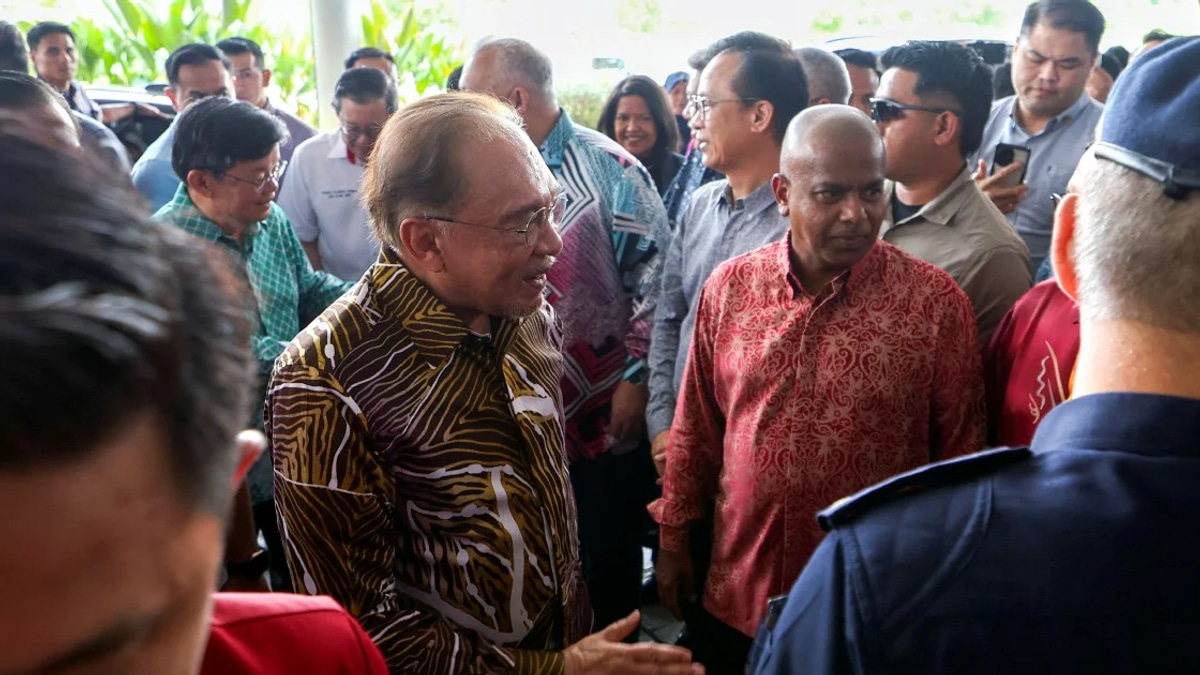
The triumph gained added significance through the prestigious presentation ceremony, with Prime Minister Datuk Seri Anwar Ibrahim gracing the occasion to distribute prizes at the PICCA Convention Centre @ Butterworth Arena during the main HAWANA 2026 event. The gathering also featured Penang Chief Minister Chow Kon Yeow, Communications Minister Datuk Fahmi Fadzil and Bernama chairman Datuk Seri Wong Chun Wai, underscoring the national importance attached to celebrating journalism excellence and cultural heritage simultaneously. This convergence of political and media leadership reflects how pantun, an ancient Malay verse form, continues to hold relevance in contemporary Malaysian public discourse.
Financially, TV3's victory translated into RM3,000 in prize money alongside a trophy and participation certificates, while Bernama's runner-up finish garnered RM2,000 in cash plus identical trophies and documentation. Radio Televisyen Malaysia (RTM) completed the podium in third place, with Berita Harian claiming fourth position among eight participating teams. Beyond the main competition hierarchy, Muhammad Syukri Khairulannuar representing Bernama earned recognition as Best Pantun Performer, a distinction that acknowledged individual artistic merit despite his team's overall placement. The Department of Islamic Development Malaysia (JAKIM) earned the Best Attire Award, reflecting how the competition incorporates multiple dimensions of cultural presentation.
The festival itself brought together 32 participants competing on May 9 at Panggung Sari, Kompleks Kraf Kuala Lumpur, functioning as one of the preliminary events building momentum towards the larger HAWANA 2026 celebrations. This positioning within the broader National Journalists' Day framework demonstrates how pantun has been integrated into Malaysia's professional media calendar, serving simultaneously as cultural enrichment and team-building exercise for news organisations. The location at Kompleks Kraf Kuala Lumpur also underscores the connection between traditional Malaysian arts and contemporary media institutions.
Mohammad Nor Affiq's reflections on leading TV3 to victory reveal the psychological dimensions underlying competitive pantun performance. He disclosed that initially bearing the responsibility of team leadership weighed considerably, yet encouragement from his mentor Ahmad Fedtri Yahya, a prominent TV3 host, provided the motivational catalyst necessary to pursue the challenge with full commitment. This mentorship dynamic illustrates how institutional knowledge and experience transfer within media organisations, particularly regarding cultural and artistic pursuits that demand not merely technical skill but emotional intelligence and confidence management.
The team leader's gratitude extended comprehensively across his support network, acknowledging his teammates, family members and broader supporters whose continuous encouragement enabled the championship defence. His expression "Alhamdulillah, the efforts of the entire team have finally paid off" conveyed genuine appreciation while grounding the victory within Malaysia's cultural and spiritual context. Such language choices reflect how contemporary Malaysian media professionals navigate between secular achievement and religious-cultural expression, particularly when celebrating in formal settings.
Bernama's approach to their runner-up finish demonstrated competitive professionalism and strategic thinking about future participation. Team leader Muhammad Syukri committed to systematic review of performance weaknesses, signalling that the organisation views the festival not merely as one-off competition but as ongoing development opportunity. His articulation of intentions to strengthen preparations and address identified shortcomings reflected a methodical approach to continuous improvement, while his invocation of "Insya-Allah" demonstrated how Malaysian media leaders maintain cultural and religious anchoring in professional contexts.
The HAWANA 2026 initiative, themed "Media Integrity Strengthens Credibility," was orchestrated by the Ministry of Communications with Bernama serving as implementing agency, positioning the pantun festival within broader national conversations about journalism ethics and professional standards. This thematic alignment suggests that cultural competitions among media practitioners serve deeper institutional purposes beyond entertainment, functioning as reinforcement mechanisms for professional values and collective identity. The theme's emphasis on integrity and credibility addresses contemporary concerns about media trust in the digital age, while pantun competitions preserve traditional cultural practices within modernising institutions.
The HAWANA grand finale itself stands as Malaysia's largest gathering of media professionals, designed to formally recognise journalists' contributions to nation-building and acknowledge their professional standing. By incorporating pantun competitions into this celebration, HAWANA acknowledges that journalistic excellence encompasses not only factual reporting and ethical conduct but also cultural sophistication and linguistic artistry. This integrative approach distinguishes Malaysian journalism celebrations from purely technical or professional gatherings, embedding cultural values within institutional recognition frameworks.
For Malaysian readers and Southeast Asian observers, TV3's pantun victory carries implications beyond sporting achievement. It demonstrates how traditional cultural forms remain vibrant within commercial media environments, resisting marginalisation despite technological disruption and globalising pressures. The competition's sponsorship by government agencies and participation by major news organisations indicates intentional institutional support for preserving Malay linguistic and artistic heritage. Furthermore, the event's timing during National Journalists' Day celebrations signals official recognition that cultural maintenance constitutes part of media professionals' broader social responsibilities, extending beyond news gathering and dissemination into active cultural stewardship.
%22%2F%3E%3C%2Fpattern%3E%3C%2Fdefs%3E%3Crect%20width%3D%22100%25%22%20height%3D%22100%25%22%20fill%3D%22url(%23ph1c6k9g)%22%2F%3E%3Crect%20width%3D%22100%25%22%20height%3D%22100%25%22%20fill%3D%22url(%23ph1c6k9p)%22%2F%3E%3Ctext%20x%3D%2250%25%22%20y%3D%2250%25%22%20text-anchor%3D%22middle%22%20dominant-baseline%3D%22central%22%20fill%3D%22rgba(255%2C255%2C255%2C0.95)%22%20font-family%3D%22Georgia%2C%20'Times%20New%20Roman'%2C%20serif%22%20font-weight%3D%22700%22%20font-size%3D%22170%22%20letter-spacing%3D%22-0.02em%22%3EMalaysia%3C%2Ftext%3E%3C%2Fsvg%3E)
%22%2F%3E%3C%2Fpattern%3E%3C%2Fdefs%3E%3Crect%20width%3D%22100%25%22%20height%3D%22100%25%22%20fill%3D%22url(%23ph41swg)%22%2F%3E%3Crect%20width%3D%22100%25%22%20height%3D%22100%25%22%20fill%3D%22url(%23ph41swp)%22%2F%3E%3Ctext%20x%3D%2250%25%22%20y%3D%2250%25%22%20text-anchor%3D%22middle%22%20dominant-baseline%3D%22central%22%20fill%3D%22rgba(255%2C255%2C255%2C0.95)%22%20font-family%3D%22Georgia%2C%20'Times%20New%20Roman'%2C%20serif%22%20font-weight%3D%22700%22%20font-size%3D%22320%22%20letter-spacing%3D%22-0.02em%22%3EPM%3C%2Ftext%3E%3C%2Fsvg%3E)