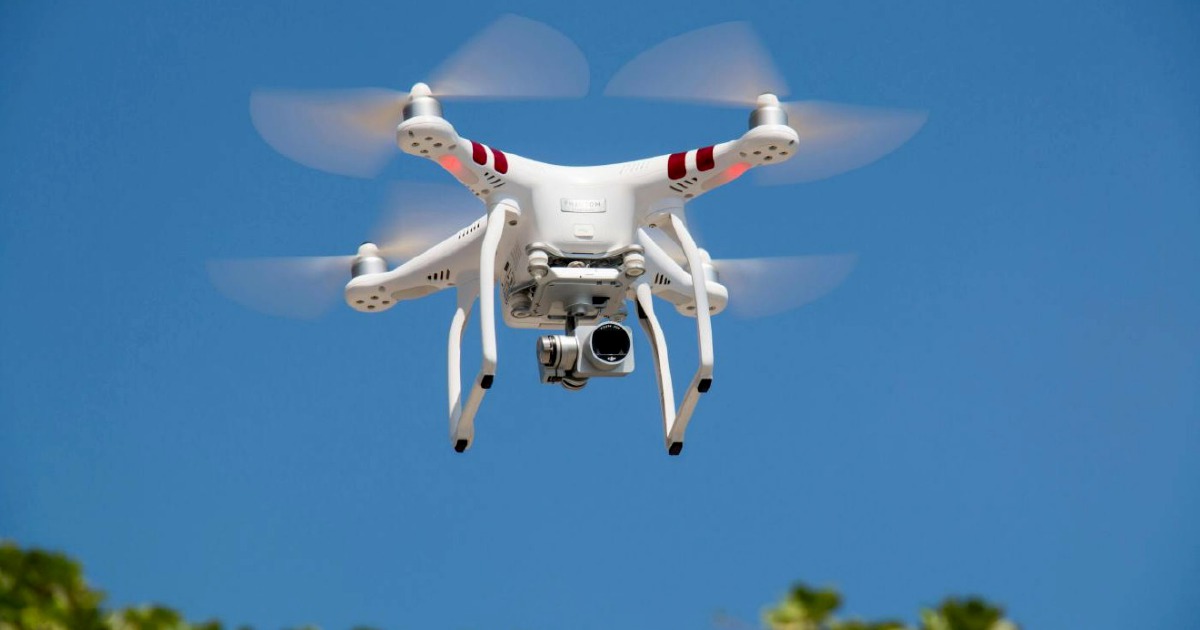
Authorities in Melaka have arrested two individuals in connection with an elaborate scheme to deliver contraband tobacco into Sungai Udang Prison via drone technology. Police conducted a coordinated raid on a house in the Taman Kris Satria neighbourhood of Sungai Udang on Wednesday, uncovering evidence of the planned smuggling operation.
The deployment of unmanned aerial vehicles for prison contraband represents an evolving challenge for Malaysian correctional facilities. Unlike conventional smuggling methods that rely on corrupt personnel or visitors, drone technology allows perpetrators to bypass physical security checkpoints entirely, delivering packages directly over perimeter fencing. This operational advantage has made aerial smuggling increasingly attractive to organised criminal networks seeking to maintain supply chains inside detention facilities.
Inside Malaysian prisons, tobacco and nicotine products carry significant black market value. The controlled environment of incarceration creates artificial scarcity that inflates prices dramatically compared to outside markets. Inmates with financial means use these products as currency for trading with other prisoners, creating economic incentives for external suppliers and enablers willing to take legal risks.
The Sungai Udang facility, one of Melaka's major correctional institutions, holds a substantial inmate population and has been the site of previous smuggling investigations. The prison's geographical location and infrastructure characteristics apparently made it a target for this drone-based operation. The fact that authorities detected and interdicted this particular attempt suggests improving vigilance, though security personnel acknowledge the difficulty of monitoring airspace continuously across sprawling prison compounds.
Drone technology has become increasingly accessible to the general public across Malaysia, with commercial models available at reasonable prices from electronics retailers and online platforms. This accessibility means that would-be smugglers face minimal barriers to acquiring the necessary equipment. The sophistication required to execute such an operation is within reach of individuals with basic technical knowledge and modest financial resources, a concerning reality for prison administrators nationwide.
The investigation into the two suspects will likely examine the supply chain behind the operation: who arranged the tobacco, who funded the drone acquisition, and whether the individuals acted independently or as part of a larger criminal network. Malaysian police typically explore connections between prison smuggling attempts and organised groups that profit from contraband distribution systems spanning multiple facilities across the country.
Beyond tobacco, drone smuggling into prisons has been used to introduce cellular phones, drugs, and other prohibited items that compromise institutional security. Smartphones in particular remain highly sought after by inmates seeking to maintain external communications and coordinate activities outside prison walls. Each successful contraband delivery emboldens criminal networks and demonstrates vulnerabilities that other groups may attempt to exploit.
Correctional authorities throughout Southeast Asia face similar pressures. Thailand, the Philippines, and Indonesia have all reported drone smuggling incidents at their facilities in recent years. Information sharing among regional prison services regarding detection methods and preventative measures remains inconsistent, leaving gaps that sophisticated smuggling operations can exploit. The challenge crosses national borders as criminal networks adapt their tactics in response to enforcement efforts.
Countermeasures to aerial smuggling remain limited and expensive. Some facilities have installed drone detection systems or established no-fly zones policed by security personnel, but comprehensive coverage of large prison complexes presents logistical and budgetary constraints. The technology needed to effectively jam drone signals or disable aircraft raises concerns about civilian interference and regulatory compliance. Prison administrators find themselves in a defensive position, constantly adapting to new threats with limited resources.
The broader context involves Malaysia's ongoing efforts to maintain prison security amid resource constraints and staffing pressures. Smuggling operations represent one of several security challenges facility managers address daily, alongside violence, escape attempts, and gang activities. Each interdicted smuggling attempt represents a success, yet each attempt that succeeds represents a significant breach requiring investigation and remediation.
For Malaysian readers, this incident illustrates how criminal innovation affects public safety infrastructure that most citizens take for granted. Prison security directly impacts community safety by preventing the consolidation of criminal networks and the communication channels that enable external crime coordination. When security is compromised through smuggling, the consequences extend far beyond institutional boundaries.
The investigation outcome will determine whether charges proceed against the two arrested individuals, the severity of allegations they face, and whether authorities can establish links to organised syndicates. These details will inform how severely Malaysian courts treat aerial smuggling compared to traditional contraband smuggling methods, setting precedents for future cases as this crime category inevitably expands.

