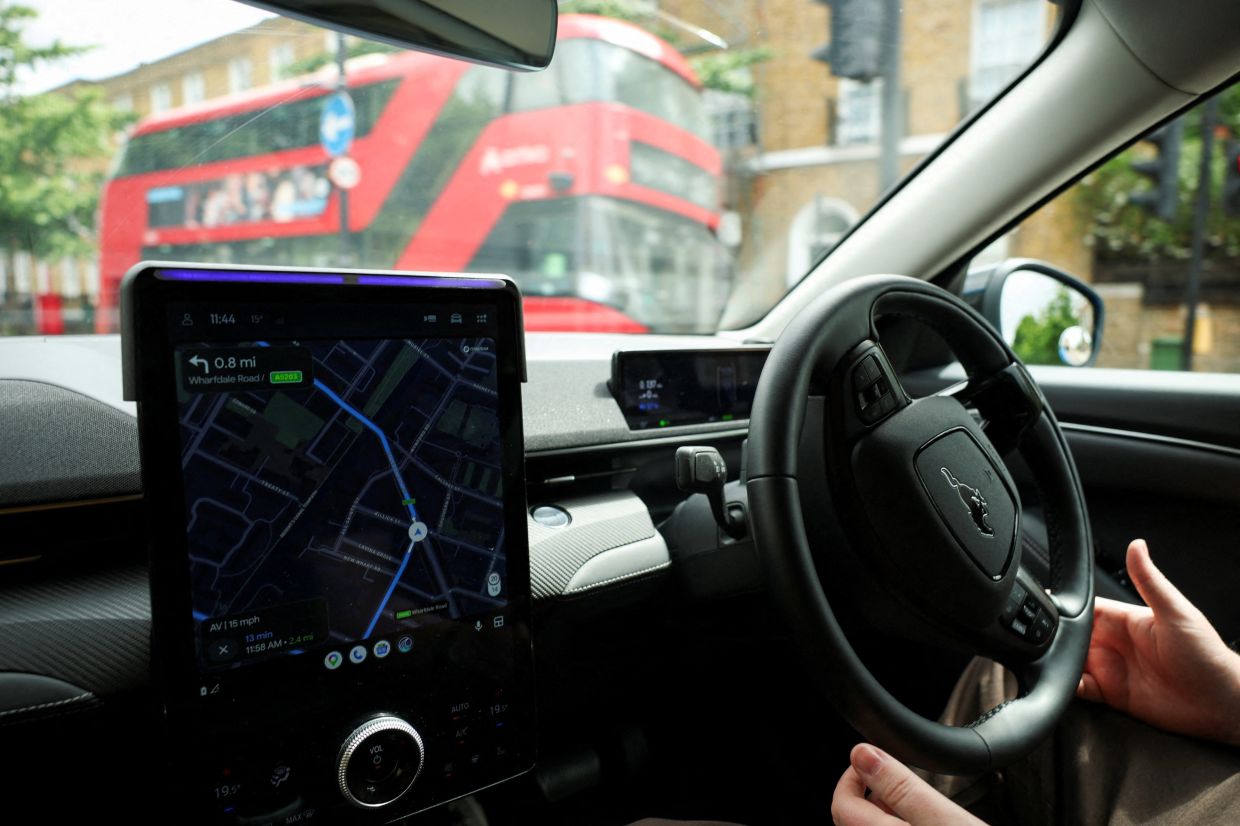
Uber Technologies and British autonomous vehicle startup Wayve Technologies have cleared a significant regulatory hurdle by obtaining permits from London's transport authority to begin supervised robotaxi operations, leapfrogging competitors Waymo and Baidu in one of the world's most competitive markets for self-driving vehicles. The private hire vehicle licenses, granted on August 5, authorise the companies to deploy driverless cabs with human supervisors aboard, opening the door for paying passengers to experience autonomous ride services for the first time in the British capital.
The regulatory approval marks a watershed moment in the commercialisation of self-driving technology beyond the United States. Rather than fully autonomous vehicles roaming streets unattended, the initial London service will feature a safety supervisor positioned in the front passenger seat, ready to take control if circumstances demand intervention. This hybrid approach balances the promise of autonomous technology with practical safety concerns that regulators face when deploying vehicles in dense urban environments with complex traffic patterns. Wayve is initially permitted to operate up to fifteen vehicles on a trial basis lasting one year, according to Transport for London officials, with the potential to expand once the company demonstrates operational reliability and passenger safety.
London residents who have already expressed interest by registering for the service will gain access to robotaxi rides during the summer months ahead of a broader public rollout. This staged approach allows both the company and regulators to gather real-world data about performance, passenger behaviour, and safety outcomes before scaling operations. The evolution toward fully unmanned operations—where vehicles operate without any human supervisor present—remains contingent on additional regulatory approvals that Wayve and Uber will need to pursue separately, indicating that authorities are proceeding with measured deliberation rather than blanket deregulation.
The London milestone reflects intensifying global competition among rideshare companies and autonomous vehicle specialists to establish first-mover advantages in major cities. Uber, Alphabet's Waymo division, and China's Baidu are all pursuing robotaxi launches in London through different pathways and partnerships. This competitive dynamic contrasts sharply with the strategic alliances these companies have sometimes forged; for instance, Uber and Waymo currently operate an exclusive partnership in certain US cities offering driverless rides, an arrangement scheduled to dissolve in 2028 as both companies increasingly view each other as rivals rather than complementary partners.
The deterioration of the Uber-Waymo relationship has created investor anxiety about Uber's long-term autonomy ambitions, particularly given Waymo's dominant position in the American robotaxi market. Investors have expressed concern that Waymo's departure from Uber's ecosystem could undermine Uber's strategy of becoming a comprehensive aggregator platform that combines rides from multiple autonomous vehicle operators. However, Uber's broader diversification strategy—announced plans to launch autonomous rides in more than ten global cities by year-end through partnerships with Wayve, Nuro, and other specialists—suggests the company is reducing its dependency on any single autonomous vehicle provider.
Wayve's competitive position has been strengthened by securing the London license, particularly given the company's deep technical expertise and regulatory familiarity in the British market. The startup will initially deploy electric Ford Mustang Mach-E SUVs outfitted with cameras, radar sensors, and proprietary autonomous driving software, according to chief executive officer Alex Kendall. These vehicles represent proven platforms with established supply chains and manufacturing relationships. Wayve's longer-term vision encompasses deploying fully driverless vehicles manufactured by Nissan Motor, contingent upon obtaining the additional regulatory validations required for true level-5 autonomous operation without human supervision.
Waymo's trajectory in London operates on a parallel timeline, with the company currently testing its vehicles on public roads and planning to transition to unsupervised operations within the same calendar year. This represents an accelerated path compared to Wayve's more cautious regulatory progression, though Waymo's previous experience in other markets and its parent company Alphabet's substantial resources provide competitive advantages. Baidu's entry into the London market through its Apollo Go service introduces a significant Asian competitor into the equation, with the Chinese technology giant launching trials only recently and targeting a public rollout in 2027 through the Freenow taxi application that Lyft acquired last year.
The strategic implications of London's robotaxi licensing extend beyond commercial rivalry between individual companies. The precedent established by Transport for London signals to other global regulators that supervised autonomous vehicle deployment can proceed within manageable risk parameters, potentially accelerating approvals in other cities. For Malaysian policymakers and regulators, London's experience provides valuable data about how mature transport authorities can accommodate autonomous vehicles while protecting public safety and maintaining oversight. The phased approach—beginning with supervised vehicles, collecting operational data, then progressing toward full autonomy—offers a regulatory template that other Southeast Asian cities might consider as autonomous technology inevitably reaches their markets.
The competitive intensity surrounding London's robotaxi market reflects the enormous economic opportunity at stake. Urban mobility represents a multi-billion-dollar market globally, and capturing early market share in major cities like London creates network effects, operational data, and brand positioning that compounds over time. Uber's willingness to partner with multiple autonomous vehicle providers rather than betting exclusively on a single technology suggests the company recognises that consumer preferences, regulatory outcomes, and technological performance remain uncertain enough to justify a diversified approach.
Regional implications for Southeast Asia warrant consideration as these London developments unfold. Countries such as Singapore, which has ambitious autonomous vehicle testing programmes, and others developing smart city frameworks, will likely observe how London manages passenger safety, liability frameworks, and insurance requirements as supervised robotaxis operate commercially. The regulatory questions resolved in London—such as how supervisors are trained and certified, what insurance covers autonomous vehicle operations, and how accident liability is apportioned—will inform policy discussions across Asia.
The success or struggles of Wayve and Uber's London trials will reverberate through global autonomous vehicle development because London represents a test market where technology, regulation, and consumer acceptance intersect. Operational challenges, passenger acceptance rates, and accident data generated during the one-year trial period will provide evidence that either validates or questions assumptions underlying autonomous vehicle deployment. Both companies have substantial financial resources and reputational stakes invested in demonstrating that supervised robotaxis can operate safely and profitably in a complex urban environment, creating strong incentives for excellence during this formative phase.

