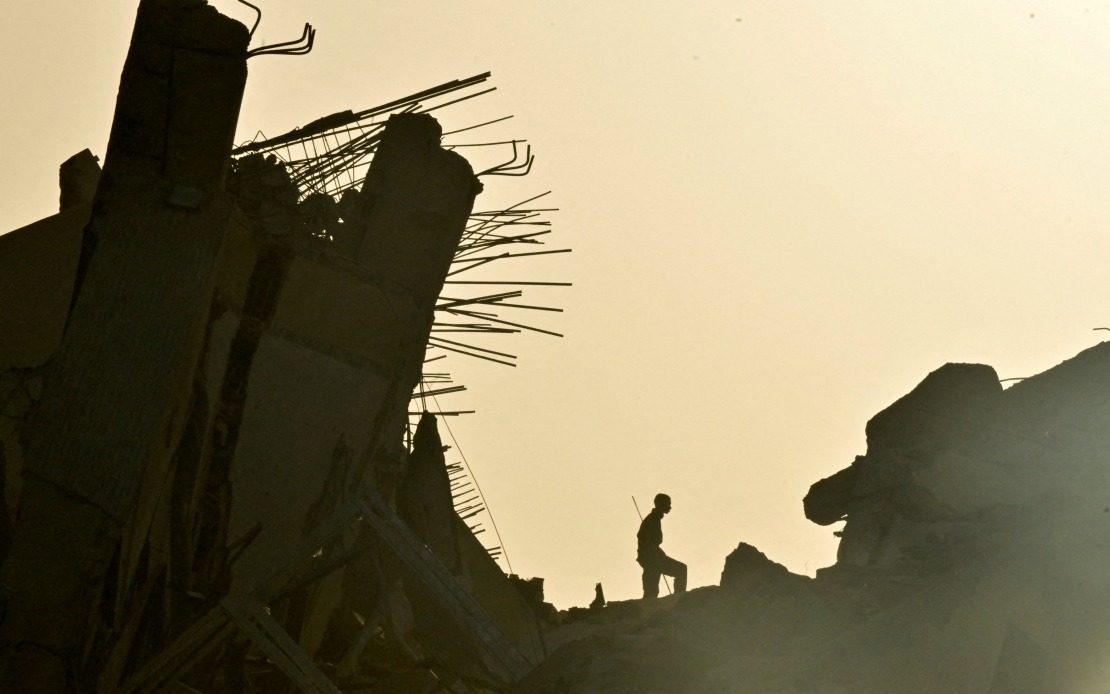
Within days of launching a coordinated fundraising initiative, charities across the United Kingdom have mobilized more than £10 million in public donations to support Venezuelans affected by devastating seismic activity. The Disasters Emergency Committee (DEC), an umbrella organization representing multiple UK-based aid agencies, activated its emergency appeal mechanism on Wednesday and has already seen the campaign reach the substantial seven-figure milestone, reflecting the rapid response from British donors concerned about the humanitarian crisis unfolding in the South American nation.
The scale and speed of the fundraising effort underscores how international humanitarian appeals can galvanize public giving when coordinated through established institutional channels. The DEC's infrastructure allows multiple independent charities to pool resources and amplify messaging through a single, trusted campaign, reducing donor confusion and administrative duplication. This model has proven particularly effective during major disasters, where the public's initial impulse to help needs channelling toward organizations with established field presence and operational capacity. The £10 million target, achieved within days, suggests both substantial individual donations and widespread smaller contributions from concerned citizens.
The participating charities, working alongside local humanitarian organizations already embedded in affected Venezuelan communities, have pivoted rapidly toward emergency response operations. Their immediate priorities reflect the typical sequence of disaster relief: establishing temporary shelter for displaced persons, ensuring access to clean drinking water, distributing food supplies to those unable to purchase provisions through disrupted market systems, and delivering urgent medical care to the injured. In the aftermath of earthquakes, these basic interventions form the foundation of survival before longer-term reconstruction efforts can commence. The coordination between international charities and local partners proves essential, as ground-level organizations understand community needs, cultural contexts, and existing infrastructure better than distant foreign agencies.
Actress Adjoa Andoh, serving as ambassador for the International Rescue Committee, one of the DEC's member organizations, fronted the public launch and has expressed gratitude for the generosity displayed by British donors. Her statement emphasized that individual contributions, regardless of size, accumulate into meaningful resources capable of transforming circumstances for vulnerable populations caught in disaster zones. The International Rescue Committee brings substantial experience in conflict and disaster settings, operating in dozens of countries where it has developed rapid-response protocols and trained personnel ready for deployment. Andoh's public visibility as a recognized entertainment figure lends credibility to the appeal and helps penetrate media coverage that might otherwise be crowded by competing news stories.
For Malaysian readers, the UK response to the Venezuelan earthquake offers instructive perspective on how developed democracies mobilize charitable support during international crises. Malaysia, as a middle-income nation with growing capacity for international engagement, increasingly participates in both receiving and providing disaster assistance. The mechanisms through which British charities organize relief—the DEC structure, rapid activation, celebrity endorsement, and transparent public communication—represent best practices applicable across the Association of Southeast Asian Nations region. When natural disasters strike within ASEAN or affect ASEAN citizens abroad, similar coordination frameworks could enhance the effectiveness of regional humanitarian responses.
The Venezuelan earthquake context holds particular significance for Southeast Asian observers monitoring regional instability and humanitarian concerns. Venezuela's economic and political crisis has already displaced millions of citizens across Latin America, creating cascading humanitarian emergencies. Seismic activity striking a nation already weakened by institutional collapse, currency devaluation, and fuel shortages multiplies the disaster's severity. Whereas countries with functioning infrastructure and robust government capacity might absorb earthquake damage through domestic reconstruction efforts, Venezuela's fragmented state institutions struggle to coordinate even basic emergency response. International charitable intervention becomes proportionally more critical when state capacity has eroded.
The fundraising milestone achieved within days also reflects particular British traditions of charitable giving rooted in postcolonial international consciousness and organized religious communities. The UK maintains centuries-old institutions dedicated to international aid, from Oxfam to Save the Children, which have cultivated donor bases accustomed to supporting distant humanitarian causes. This cultural infrastructure differs significantly from charitable traditions in some Asian societies, where family-based mutual aid and state welfare systems traditionally absorbed social responsibility. Understanding these different philanthropic frameworks helps explain why British responses to international disasters often manifest through rapid large-scale charitable campaigns, whereas other societies might prioritize different mechanisms for assistance.
Operational challenges facing relief organizations in Venezuela extend beyond typical disaster response complexities. The humanitarian situation preceding the earthquake already involved severe medical shortages, malnutrition, and limited access to clean water—conditions that earthquakes exacerbate rather than create. Relief agencies must therefore navigate not only earthquake-specific assistance but also the pre-existing humanitarian emergency. Food packages delivered by DEC charities arrive into communities already experiencing chronic scarcity. Medical teams dispatched to treat earthquake injuries encounter populations already suffering from preventable diseases. This layering of crises complicates triage decisions and stretches limited resources across competing needs.
The international response emerging through the DEC campaign also highlights how charitable giving functions as a form of soft diplomacy and humanitarian bridge-building. When British citizens donate to assist Venezuelans, they express solidarity with human suffering regardless of geopolitical alignments or government relations. This people-to-people connection exists independently of diplomatic tensions or trade disputes between governments. For Venezuela, receiving substantial charitable support from the UK and other democracies provides essential humanitarian lifelines while simultaneously demonstrating that international community concern transcends political divisions. Relief workers distributing supplies represent not their governments' foreign policies but universal human commitment to alleviating suffering.
Moving forward, the DEC's appeal will likely remain active for extended periods, as earthquake reconstruction unfolds over months and years rather than weeks. Initial emergency response focuses on immediate survival; subsequent phases will address temporary shelter consolidation, disease prevention, livelihood restoration, and eventually structural rebuilding. The £10 million already raised provides substantial resources, but comprehensive reconstruction assistance typically requires sustained funding commitments. British donors engaged through the initial appeal will presumably receive regular updates documenting how their contributions translate into concrete improvements—schools reopened, clinics restaffed, temporary housing upgraded—creating feedback loops that sustain charitable commitment beyond the initial crisis phase.

