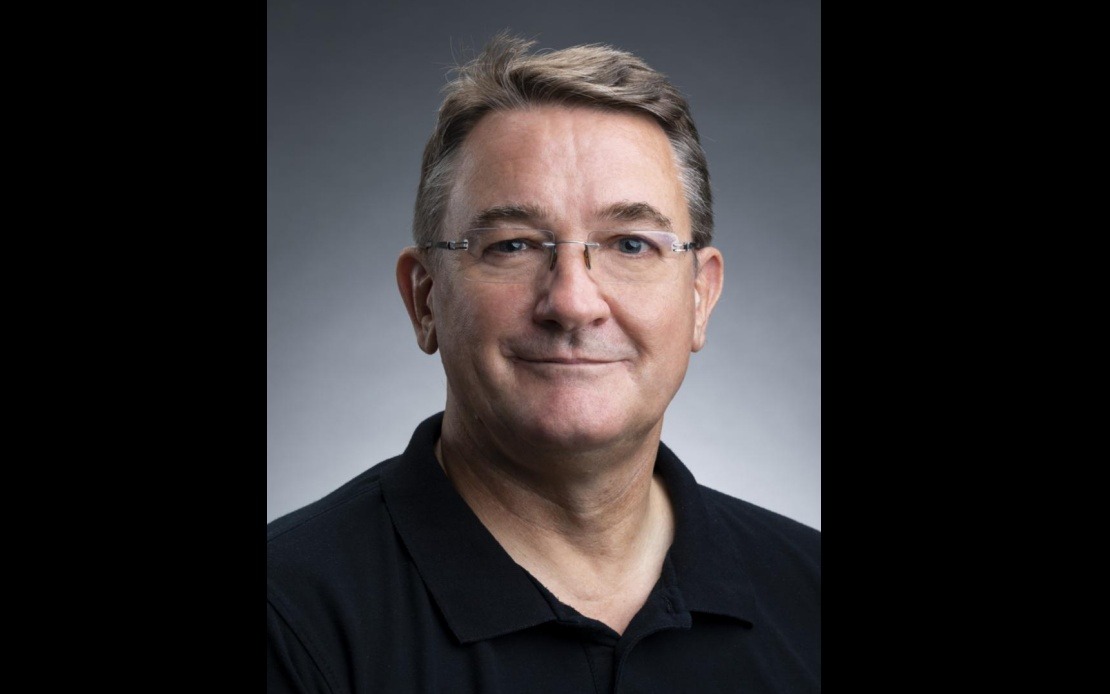
Dr David Lacey, a prominent figure in Malaysia's semiconductor industry and current chairman of the Semiconductor Fabrication Association of Malaysia, has been appointed as the United Kingdom's new Honorary Consul in Penang. The 60-year-old takes the helm from Datuk Robert Hawkins, who stepped down following an impressive two-decade tenure representing British interests in the northern state. The appointment, announced by the British High Commission in Kuala Lumpur, marks a significant shift in how the UK engages with Penang's thriving technology sector.
British High Commissioner to Malaysia Ajay Sharma welcomed Lacey's appointment, emphasising that his leadership would strengthen the high commission's efforts to deepen bilateral relations with Penang and the broader northern region. Sharma specifically highlighted technology, digital infrastructure, and artificial intelligence as priority areas where both nations see substantial opportunity for collaboration. The timing of this appointment reflects the UK and Malaysia's mutual commitment to advancing their Strategic Partnership, with Penang positioned as a critical hub for innovation and technological development in Southeast Asia.
Sharma's tribute to Hawkins underscored the former consul's substantial contribution to the British expatriate community and the broader diplomatic mission across two decades. Such lengthy service in an honorary capacity demonstrates the depth of commitment required from those representing British interests at the state level, a role that extends well beyond ceremonial duties into substantive community and business engagement.
The honorary consul position carries considerable responsibility beyond ceremonial functions. Lacey will serve as a bridge between the Penang state government and the local business community, fostering relationships across political, academic, and commercial spheres. The role requires him to handle practical consular matters affecting British nationals, including liaison with hospitals and correctional facilities, managing arrangements following deaths of UK citizens, and coordinating the UK's response during emergency situations or humanitarian crises affecting British residents.
Lacey brings exceptional credentials to the position. With extensive experience across Europe, the United States, and Malaysia, he has established a reputation as a semiconductor sector innovator, overseeing the creation of research and development operations that successfully commercialised cutting-edge technologies. Currently serving as director at a high-technology semiconductor manufacturing facility in Penang, Lacey has become deeply embedded in Malaysia's industrial ecosystem over more than two decades.
Beyond his commercial roles, Lacey holds significant advisory positions that demonstrate his influence across Malaysia's scientific and technological landscape. He serves on the board of Collaborative Research in Engineering, Science, and Technology (CREST) and functions as an adviser to the Academy of Sciences Malaysia (ASM), the nation's premier scientific institution. These positions reflect trust from Malaysia's establishment in his judgment and expertise.
Lacey's academic credentials strengthen his diplomatic profile. He holds a Doctor of Philosophy from the University of Sussex in the United Kingdom, grounding him in British intellectual traditions while his career has been spent navigating Asian markets. In recognition of his contributions to Malaysia's economic development, Universiti Sains Malaysia conferred upon him an Honorary Doctor of Science in 2021, a testament to the value Malaysian institutions place on his work.
His two-decade residency in Penang, beginning in 2001, has given Lacey deep roots in the state. This extended presence means he possesses genuine understanding of local business practices, political dynamics, and cultural sensitivities—invaluable assets for someone representing British interests. Unlike honorary consuls who arrive with primarily diplomatic experience, Lacey approaches the role with practical familiarity with how Penang operates.
The appointment carries implications for how the UK positions itself within Malaysia's technology-driven growth strategy. Penang has long served as the country's primary semiconductor and electronics hub, hosting major multinational manufacturers and numerous supporting industries. By installing a semiconductor industry leader in the consul's role, the UK signals its intention to deepen engagement with this sector specifically. Lacey's networks within Malaysian manufacturing and research circles position him to facilitate the types of technology partnerships and commercial collaborations that characterise modern diplomatic relationships between advanced economies.
For Malaysia and the region, the appointment reflects growing importance placed on technology cooperation between Asian nations and established Western economies. The emphasis on artificial intelligence, digital infrastructure, and semiconductor development in Sharma's remarks indicates where UK-Malaysia collaboration will concentrate in coming years. Given Penang's status as Southeast Asia's electronics manufacturing centre and its emerging role in AI research and development, the choice of Lacey positions the consulate to influence and support these strategic sectors.
The transition from Hawkins to Lacey represents continuity with evolution. Hawkins' two-decade service established stability and institutional knowledge, while Lacey's appointment injects fresh expertise directly relevant to 21st-century technology competition. His background suggests the UK is moving beyond traditional diplomatic approaches toward embedding technical specialists in key emerging markets.

