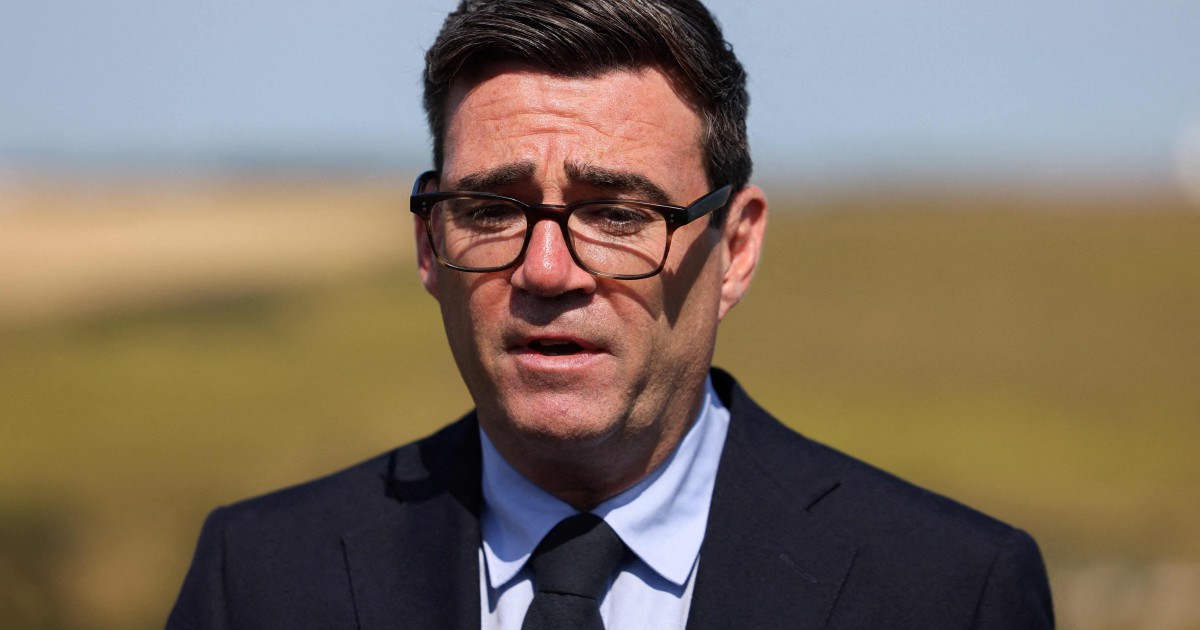
Prime Minister Andy Burnham is considering the establishment of a public inquiry into the British operations and activities of convicted sex offender Jeffrey Epstein, according to statements made by Victims Minister Alex Davies-Jones in an interview with the BBC. The potential investigation would examine the extent of Epstein's presence and actions within the United Kingdom, marking a significant step toward accountability for the American financier's crimes on British soil.
The consideration of such an inquiry reflects growing international momentum to document and address the full scope of Epstein's network and misconduct. For nearly two decades, Epstein operated a sophisticated system of exploitation involving dozens of victims across multiple countries before his 2019 arrest in the United States. The involvement of British institutions, individuals, and locations in his criminal enterprise remains incompletely understood by the public and authorities alike.
A public inquiry would provide a formal mechanism to compel testimony, examine documentary evidence, and establish a comprehensive record of Epstein's activities within the UK. Such inquiries are typically tasked with identifying institutional failures, systemic vulnerabilities, and policy gaps that may have allowed misconduct to occur. This approach differs from criminal prosecution, focusing instead on understanding how protections failed and what reforms are necessary.
The timing of Burnham's consideration carries significance given the broader political landscape in Britain. The new Labour administration has positioned itself as responsive to victims' rights and institutional accountability following years of high-profile inquiries into child safety failures across schools, hospitals, and care facilities. An inquiry into Epstein's UK operations would align with this legislative agenda while demonstrating governmental commitment to investigating transnational crimes affecting British citizens.
From a Malaysian and Southeast Asian perspective, the UK's potential action underscores the international dimensions of sexual exploitation networks. Many countries throughout the region grapple with similar challenges, where powerful foreign individuals exploit institutional gaps and cultural factors to commit crimes against vulnerable populations. An inquiry by a major Western nation could establish important precedents for documentation, victim protection, and cross-border cooperation that smaller nations might emulate.
The victims' minister's public commitment to examining this possibility suggests internal government discussions have already advanced beyond preliminary stages. Davies-Jones's role specifically encompasses advocacy for those harmed by crime, giving her comments particular weight within policy discussions. Her willingness to discuss the inquiry publicly may also signal that key obstacles—such as resource allocation or jurisdictional concerns—are being actively addressed rather than serving as barriers.
Establishing the scope and terms of such an inquiry would require careful consideration. Investigators would need to examine Epstein's property holdings in Britain, his relationships with British individuals across financial, social, and political circles, and the extent to which British authorities were aware of misconduct. The inquiry would necessarily intersect with ongoing civil litigation in the United States and investigations by American law enforcement, requiring coordination and information-sharing protocols.
Victims of Epstein's crimes, particularly those based in or connected to the UK, have long sought transparency regarding how he operated in Britain and who else may have been complicit. A public inquiry would provide a forum for their experiences and grievances to be formally documented and addressed, offering a degree of institutional recognition and accountability that victims have frequently emphasized as essential to healing.
The potential inquiry also carries implications for British institutions that may have interacted with Epstein or his associates. Universities, financial institutions, charitable organizations, and government bodies could face scrutiny regarding their due diligence, their handling of complaints or concerns, and their relationships with individuals connected to him. Such institutional vulnerability may itself explain both the necessity of investigation and the potential resistance to one.
International cooperation would be essential to any meaningful inquiry. British authorities would need access to American legal proceedings, cooperation from other countries where Epstein operated, and the voluntary participation of witnesses located abroad. This complexity underscores why such inquiries typically unfold over several years and require substantial government resources and political commitment.
The question of whether an inquiry would proceed ultimately rests with the Prime Minister and his government's capacity to allocate resources and political capital to the investigation. While Davies-Jones's comments indicate serious consideration, formal announcement and establishment of an inquiry framework have not yet materialized. The decision will likely depend on further internal assessment of feasibility, anticipated scope, and the political calculus surrounding the issue.
For victims and advocates, the prospect of a public inquiry represents potential vindication and a pathway to understanding how a convicted sex offender maintained operations in a wealthy, developed nation for years. For policymakers, such an inquiry offers an opportunity to identify systemic failures and implement protective reforms. For international observers, particularly in Southeast Asia, the British government's approach may serve as a model for how nations can formally investigate and address the international dimensions of sexual exploitation.

