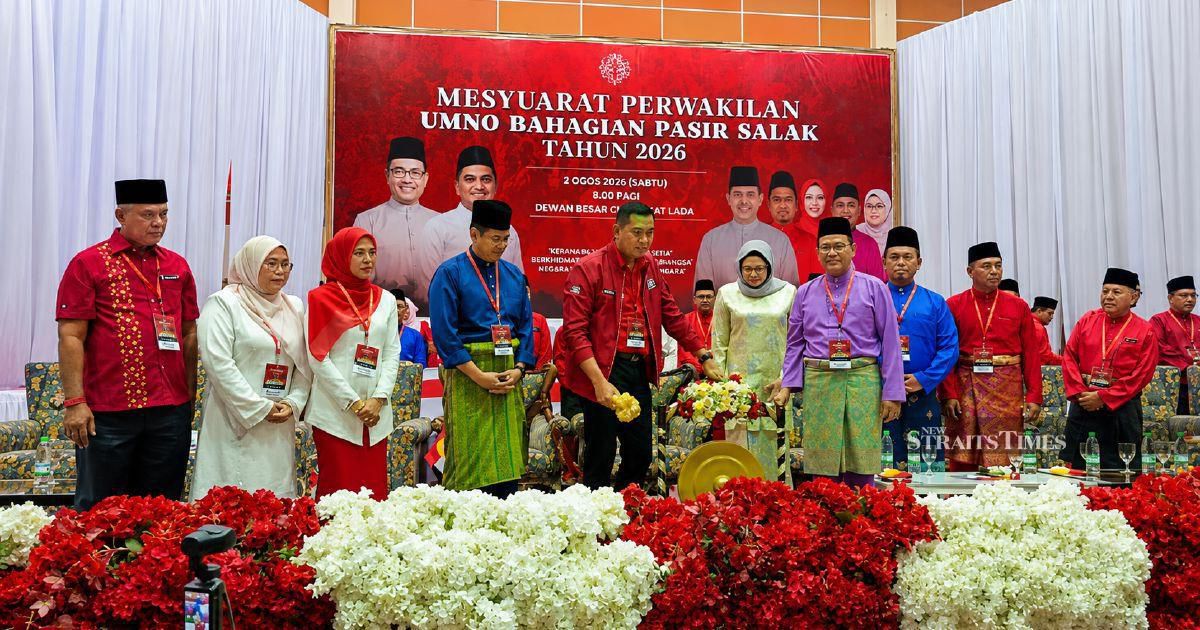
Umno division heads should have their voices heard when it comes to deciding how electoral seats are distributed in future elections as a result of the Barisan Nasional and Perikatan Nasional political understanding, according to Umno Youth chief Datuk Dr Muhamad Akmal Saleh. Speaking in his capacity as the party's youth wing leader, Akmal emphasised the importance of acknowledging the positions held by grassroots leaders on seat allocation arrangements negotiated between the two coalitions.
The statement underscores an emerging tension within Malaysia's coalition politics regarding how decisions at the federal leadership level filter down to party divisions operating at the ground level. Umno's historical strength has always been rooted in its network of state and division leaders who control significant electoral machinery and enjoy considerable autonomy in their respective territories. These division heads typically possess intimate knowledge of local political dynamics, community relationships, and demographic shifts that could significantly influence electoral viability.
Akmal's remarks suggest that any arrangement brokered between Umno's central leadership and Perikatan Nasional cannot be effectively implemented if it disregards the concerns of divisional structures. This reflects a broader principle in Malaysian party politics where top-down mandates have historically encountered friction when they conflict with established local power balances or entrenched interests within constituencies. The divisions function as the primary administrative and organisational units through which elections are contested, making their buy-in crucial for campaign effectiveness.
The political understanding between Barisan Nasional and Perikatan Nasional represents a significant recalibration of Malaysia's coalition landscape. Since the 2022 election cycle and subsequent political realignments, Umno has navigated complex relationships with various partners, including Perikatan Nasional, which emerged as a formidable political force particularly in Malay-Muslim majority areas. Any formal or informal understanding between these two blocs carries implications for seat distribution in multiple constituencies nationwide.
For Malaysian voters and political observers, the centrality of division-level perspectives matters considerably. Constituencies vary dramatically in their political character—some remain solidly within one party's stronghold, while others are genuinely competitive three-way or four-way contests. Local division leaders possess granular understanding of which candidates can deliver victory in which seats, information that national-level strategists may not fully appreciate. Dismissing these perspectives risks fielding candidates who lack local credibility or support, potentially handing seats to opposition parties through internal divisions and apathy.
The Umno Youth chief's intervention also carries generational implications. As the representative of the party's younger membership, Akmal's emphasis on respecting divisional autonomy suggests that the younger generation of Umno leaders values consultative decision-making over hierarchical imposition. This could signal shifting internal culture within the party, where grassroots empowerment and acknowledgment of local expertise are gaining prominence alongside traditional centralised command structures.
From a Southeast Asian perspective, Malaysia's coalition politics remains instructive for regional democratic practice. Countries throughout the region grapple with balancing national strategic alliances with local political realities. The experience of Umno's divisions navigating the BN-PN understanding provides a case study in how decentralised party structures must be accommodated within broader coalition frameworks. Ignoring these intermediate layers risks fracturing coalitions from within, as frustrated division leaders might withhold campaign resources or effort, or alternatively pursue independent political strategies that undermine coalition objectives.
The timing of Akmal's statement carries weight given ongoing discussions within Umno regarding its political positioning heading toward the next electoral cycle. The party faces simultaneous challenges of maintaining internal cohesion while securing advantageous seat arrangements with coalition partners. Prioritising division-level input provides a mechanism for managing these tensions by creating legitimacy for whatever agreements are eventually reached. When grassroots leaders have participated in or at least been consulted on major decisions affecting their constituencies, they develop a stake in the success of those decisions.
Looking ahead, the principle articulated by the Umno Youth chief—that divisional perspectives merit respect in seat allocation negotiations—may become increasingly important as Malaysian coalition politics continues evolving. The emergence of multiple viable coalition options for parties like Umno means that division leaders might otherwise explore alternative partnerships if they feel their interests are disregarded by their own party's central command. Respecting their input on seat matters is therefore not merely a matter of democratic principle within the party, but a practical necessity for maintaining Umno's internal unity and electoral effectiveness.

