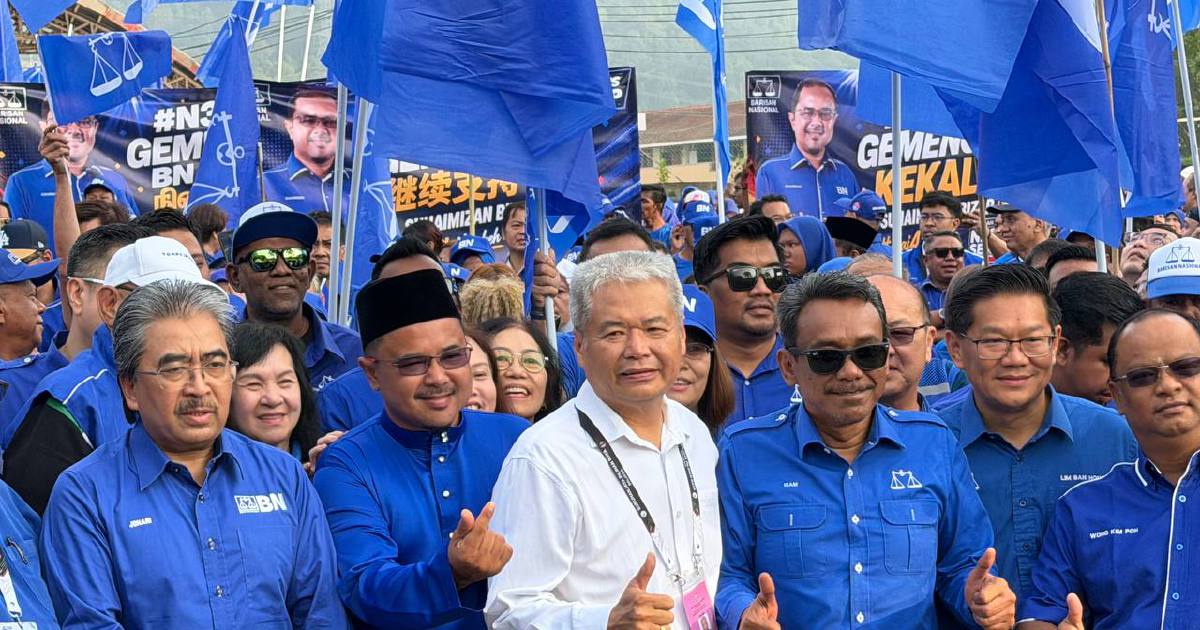
Two of Umno's most senior figures converged on Tampin this morning to lend their weight to Barisan Nasional's nomination proceedings for the Negri Sembilan state election. Datuk Seri Johari Abdul Ghani, who holds the position of vice-president in the party hierarchy, and Datuk Seri Tengku Adnan Tengku Mansor, serving as the organisation's treasurer, made their presence felt at Dewan Perdana Tampin as candidates formally lodged their nominations with the returning officer. Their participation underscored the coalition's determination to maintain its grip on power in a state where it has historically enjoyed significant electoral support.
The arrival of high-profile party officials at nomination centres carries symbolic weight in Malaysian politics, signalling party confidence and providing a morale boost to candidates navigating the rigorous filing process. Such visible displays of leadership endorsement become particularly significant in state elections, where local factors and established networks often prove decisive in determining outcomes. For Barisan Nasional, which has dominated Malaysian politics since independence, maintaining this tradition of hierarchical party presence reinforces messaging about institutional stability and continuity of governance.
Negri Sembilan, like other Malaysian states, operates under its own constitutional framework and electoral cycle. The state election represents an important electoral contest for Barisan Nasional, as it competes against opposition coalitions seeking to expand their political footprint. The presence of senior figures at the nomination stage suggests the coalition is treating this contest seriously and has allocated significant leadership resources to ensure smooth operations and candidate morale throughout the campaign period.
Tengku Adnan's participation carries particular resonance given his role as party treasurer. Financial management and resource allocation become critical during election campaigns, and the treasurer's physical presence at nomination proceedings signals that adequate campaign infrastructure and funding mechanisms are in place to support candidates across all contested constituencies. This practical dimension of campaign management often receives less public attention than candidate campaigns or party rhetoric, yet proves instrumental in determining electoral performance.
Johari Abdul Ghani's position as vice-president places him among the party's decision-making elite, responsible for coordinating broader party strategy and ensuring alignment between national and state-level operations. His attendance at Tampin reflects the interconnected nature of Malaysian electoral politics, where state elections frequently influence national political calculations and vice versa. By personally overseeing nomination processes, senior leaders can assess candidate quality, gauge grassroots sentiment, and make real-time adjustments to campaign strategies based on on-the-ground observations.
The Dewan Perdana Tampin serves as the administrative hub for nomination filings in this constituency, making it a focal point of electoral activity during the official nomination period. The gathering of senior party figures at such venues creates opportunities for local media coverage and allows candidates to benefit from proximity to well-known party personalities. This calculated visibility strategy has long formed part of Malaysian election campaign playbooks, particularly for established coalitions seeking to reinforce their incumbent status.
For Malaysian voters in Negri Sembilan, the composition of Barisan Nasional's candidate slate and the apparent commitment from party leadership to support these candidates will factor into their voting calculations. The state has experienced various political dynamics over recent election cycles, and how effectively the coalition mobilises its organisational advantages during both nomination and campaign phases could prove decisive. The presence of Johari and Tengku Adnan suggests Umno intends to play an active role in this mobilisation effort.
The Negri Sembilan election occurs within the broader context of Malaysia's evolving political landscape, where both Barisan Nasional and opposition coalitions continually compete for voter confidence. State elections serve as important barometers of public sentiment and can influence perceptions of momentum heading into any subsequent federal elections. Consequently, the coalition's visibly serious approach to candidate nomination and campaign preparation reflects understanding of these higher stakes.
As Malaysia's electoral processes continue to attract international observers and domestic scrutiny regarding democratic practice, the orderly and publicly transparent conduct of nomination ceremonies at venues like Dewan Perdana Tampin demonstrates commitment to procedural propriety. The involvement of high-ranking officials from both party and returning officer structures helps ensure that nomination processes proceed according to established legal frameworks and constitutional requirements.
Looking ahead, the campaign period will reveal whether the organisational display evident at nomination centres translates into electoral success for Barisan Nasional. The coalition's ability to retain existing seats while potentially capturing additional constituencies will depend on numerous factors extending well beyond nomination day attendance, including candidate quality, local issues resonance, and opposition campaign effectiveness. Nevertheless, the commitment of senior party figures during these preliminary phases suggests Umno views the Negri Sembilan election as significant to its broader political objectives and is prepared to dedicate substantial leadership attention to achieving a strong result.

