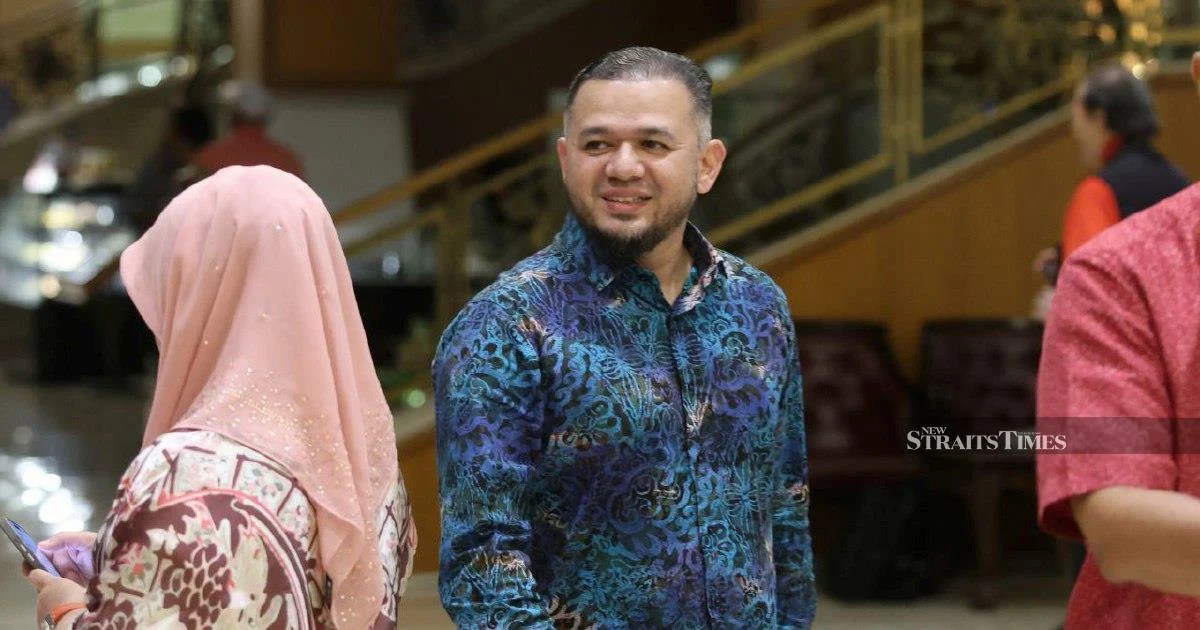
Datuk Dr Fathul Bari Mat Jahya, the Kangar division chief of the United Malays National Organisation, faces an immediate financial obligation after a legal setback in the High Court. The prominent politician and two fellow former directors of a company must now repay RM492,480 to a haj and umrah service provider, with the court declining to grant them additional time to settle the matter. The rejection of their stay of execution application marks the conclusion of a protracted dispute involving these three individuals and their business dealings with the pilgrimage services sector.
The case highlights ongoing tensions between corporate governance and accountability, particularly when political figures are involved in commercial activities. High Court proceedings have been carefully scrutinised given the prominence of those named in the judgment. The dismissal of the stay application indicates that judicial authorities found insufficient grounds to postpone enforcement of the verdict, suggesting the lower court had already established a solid legal foundation for its original decision.
This development carries significance for understanding how Malaysia's legal system addresses disputes involving political personalities and business entities. Unlike cases involving purely private individuals, decisions affecting sitting or former party officials often attract public attention and raise questions about the separation between political roles and commercial responsibilities. The court's firmness in rejecting the delay demonstrates judicial independence in applying consistent standards regardless of the defendants' backgrounds or positions within political structures.
The haj and umrah services sector represents an important segment of Malaysia's religious and tourism economy, with significant numbers of Malaysian Muslims engaging these providers annually. Service providers in this field operate under specific regulatory frameworks and consumer protection guidelines, making disputes within the sector matters of broader concern to the pilgrim community. When company directors fail to meet financial obligations to such providers, the repercussions can extend beyond individual cases to affect the reliability and stability of the entire service ecosystem.
Fathul Bari's position as Kangar Umno division chief places him within a significant leadership structure. The Kangar division encompasses various constituencies and carries considerable organisational weight within Umno's federal structure. His involvement in a commercial dispute that has now reached judgment carries implications for perceptions of leadership credibility and financial stewardship within party circles, though the matter itself concerns private commercial dealings rather than party-related activities.
The three defendants' decision to seek a stay of execution suggests they may have been exploring alternative strategies or attempting to arrange payment terms through negotiation. However, the High Court's decision to proceed without granting this reprieve indicates that the judicial officer found the case sufficiently resolved and did not perceive legitimate reasons for postponement. This could suggest either confidence in the original judgment's solidity or a determination that further delay would be inappropriate given the circumstances.
From a legal perspective, the rejection of the stay application follows established procedures whereby courts evaluate whether defendants have presented arguable grounds for suspension of judgment execution. Courts typically consider factors such as whether an appeal is pending with realistic prospects of success, whether a stay would cause undue harm to the plaintiff, and whether the defendants have demonstrated sufficient ability and willingness to comply with orders. The dismissal suggests the court was not persuaded on these matters.
The RM492,480 figure represents a substantial sum in personal financial terms for most individuals, potentially reflecting accumulated service costs, cancellations, or disputes over contract performance. The precision of this amount suggests detailed accounting and possible reconciliation of accounts during the litigation process. Payment of such a sum requires immediate mobilisation of financial resources by the defendants, who may now explore options such as instalments or asset liquidation to meet their obligations.
For the haj service provider, this judgment represents vindication of their position and a pathway toward debt recovery. However, enforcement often proves more complex than judgment, particularly when defendants claim financial constraints or asset complications. The plaintiff will likely need to pursue further proceedings if the three men do not voluntarily settle within any prescribed timeframe, potentially engaging debt collectors or pursuing asset seizure through court enforcement mechanisms.
This case reflects broader patterns within Malaysia's commercial litigation landscape, where business disputes involving political figures periodically surface in court records. While individual cases rarely generate national headlines unless they involve extraordinary circumstances, they collectively illustrate the importance of separating political roles from personal commercial activities. When those in leadership positions within major political parties encounter legal difficulties stemming from business ventures, questions naturally arise about judgment and accountability.
The implication for Malaysian business culture extends beyond these three individuals. The judgment reinforces that contractual obligations bind all parties equally before the courts, regardless of political affiliation or prominence. Haj and umrah service providers, many of whom operate as small to medium enterprises, gain reassurance that their legal remedies remain accessible and enforceable. For consumers engaging these services, knowledge that courts will enforce contractual accountability may strengthen market confidence, though individual company failures remain concerning.
Moving forward, the attention now shifts toward enforcement and compliance. The defendants must determine how to meet this obligation, whether through personal resources, asset sales, or negotiated payment plans. The case also serves as a reminder to individuals in public-facing roles that business dealings carry legal consequences independent of their professional standing. For Malaysian politics and business communities, such cases underscore the necessity of maintaining clear boundaries between public responsibilities and private commercial ventures.

