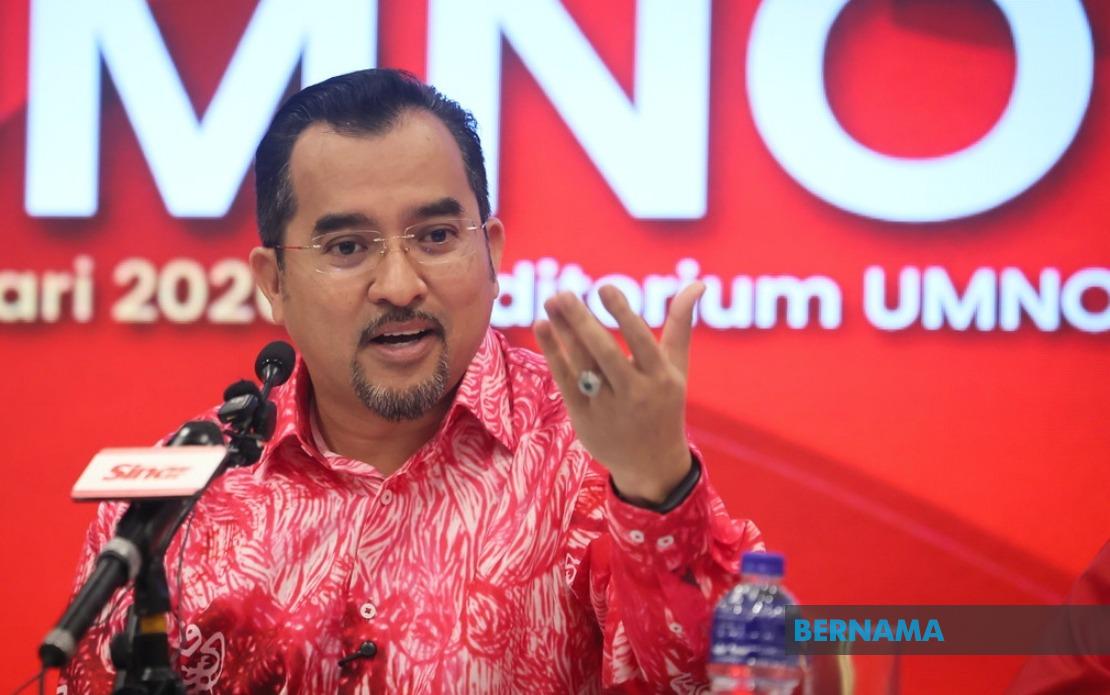
The departure of Datuk Dr Mohd Puad Zarkashi from UMNO reveals deeper fractures within Malaysia's dominant political party ahead of the Johor state election. The Supreme Council member announced his immediate resignation on Facebook on June 25, citing his desire for greater freedom in expressing his views. However, party secretary-general Datuk Dr Asyraf Wajdi Dusuki has provided a starkly different account of the circumstances, suggesting that personal ambition rather than principle motivated the move.
According to Asyraf Wajdi's statement, Mohd Puad's displeasure centred on the party leadership's decision not to field his son as a candidate for the Rengit state seat in the upcoming Johor election. The secretary-general characterised Mohd Puad's departure as the culmination of repeated threats to abandon UMNO if the party did not accede to his family's political aspirations. In correspondence described as lengthy, Mohd Puad allegedly warned that he would both quit the party and launch public attacks against UMNO unless the leadership reconsidered his son's candidacy.
The incident highlights a recurring pattern of internal discord within UMNO, Asyraf Wajdi suggested, pointing to similar behaviour during the tenure of former president Datuk Seri Najib Tun Razak. On that occasion, Mohd Puad allegedly threatened to leave the party if he was not renominated as Member of Parliament for Batu Pahat. This history of conditional loyalty raises questions about the nature of party discipline and whether senior figures have used threats of departure as leverage to secure positions for themselves and their relatives.
Ashraf Wajdi's rebuttal emphasised that while Mohd Puad's son possesses youth and potential, UMNO's candidate selection process must weigh numerous considerations beyond individual merit or family connections. The party secretary-general underscored that UMNO is not designed as a hereditary political vehicle that prioritises the advancement of family members or relatives into leadership roles. This statement constitutes an implicit acknowledgment of internal pressures within the party—pressures that suggest some members view UMNO as a vehicle for dynastic advancement rather than ideological or programmatic commitment.
The broader implications extend beyond a single resignation. Asyraf Wajdi's public response signals UMNO's determination to resist what it perceives as blackmail or coercion from within its ranks. By making the dispute public and laying out Mohd Puad's alleged threats in detail, the party leadership appears intent on establishing that UMNO will not be held hostage by ambitious members threatening to defect or criticise the organisation. This defensive posture suggests vulnerability, however—the need to defend against such threats implies they carry some weight within the party structure.
Mohd Puad also levelled allegations that the Johor palace controls UMNO's operations in the state and ordered the dissolution of the State Legislative Assembly, which preceded the election call. Asyraf Wajdi dismissed these claims as slander, a characterisation that sidesteps substantive engagement with the allegations. The interaction between the monarchy and party politics in Johor has long been a sensitive matter, and the fact that such claims are being aired publicly in the context of a departing senior member may indicate deeper unease about governance arrangements within the state apparatus.
The timing of this rupture is significant for UMNO's electoral prospects. The Johor state election, triggered by the dissolution of the DUN on June 1, represents a crucial test for the party's ability to maintain its dominance in one of Malaysia's most important states. With nomination day set for June 27 and polling scheduled for July 11, internal conflicts such as this one can undermine campaign cohesion and voter confidence. The public airing of such disagreements sends a signal of disunity precisely when the party needs to project strength and organisational discipline.
Ashraf Wajdi's statement that UMNO must remain steadfast as a party championing race, religion and the nation while refusing to bow to individual pressure effectively draws a line in the sand. This rhetoric signals that the leadership will not entertain similar ultimatums from other members. However, the very need to make such a declaration suggests that UMNO recognises a broader challenge: balancing the ambitions of established members and their family networks with the party's stated commitment to meritocratic principles and collective interest over personal advancement.
For Malaysian political observers, the Puad episode underscores enduring tensions within UMNO between its traditional model of elite patronage networks and contemporary expectations of transparency and fairness in party governance. That a Supreme Council member would resort to threats of resignation and public attacks over a state-level candidacy decision indicates the stakes involved in such selections—they represent not merely electoral placements but pathways to power, influence and economic opportunity within the broader ecosystem of Malaysian politics.
The resignation also occurs within the context of broader competition between political parties for influence in Johor. UMNO's management of internal grievances and the perception of fair candidate selection processes directly affect its ability to retain members and attract new supporters. A reputation for nepotism or susceptibility to pressure from connected figures could provide an opening for rival parties, particularly in a state where Barisan Nasional's dominance, while substantial, is not guaranteed.
Looking ahead, UMNO's handling of this situation will be closely watched by members contemplating their own political futures. The party's apparent willingness to publicly rebuke a departing Supreme Council member, rather than negotiating privately, suggests a determination to enforce standards. Whether this display of firmness strengthens the party's internal discipline or creates further resentment among ambitious members harbouring their own unfulfilled aspirations remains to be seen.

