Universiti Malaysia Terengganu (UMT) has launched the 1st International Conference on Microplastics 2026 (ICM2026) in Putrajaya, assembling 126 delegates spanning academia, science, government, industry, and civil society from Malaysia, Australia, Indonesia, China, Japan, Canada, India, South Korea, the Philippines, and Thailand. The two-day gathering signals a crucial moment for the region as nations grapple with an environmental crisis that remains largely invisible to the naked eye yet poses substantial risks to ecosystems and human wellbeing across interconnected waterways and food systems.
The conference represents a watershed moment for Southeast Asia, a region where microplastic pollution has emerged as a pressing concern given its extensive coastlines, dense populations, and reliance on fisheries and aquaculture. Malaysia's position as a host nation reflects growing recognition that the country, with its marine biodiversity and significant plastic waste streams, must take a lead role in understanding and combating this transnational problem. The scale of participation—drawing experts from across the Asia-Pacific, North America, and Oceania—underscores how microplastic contamination has transcended borders to become a genuine international challenge requiring coordinated research and policy responses.
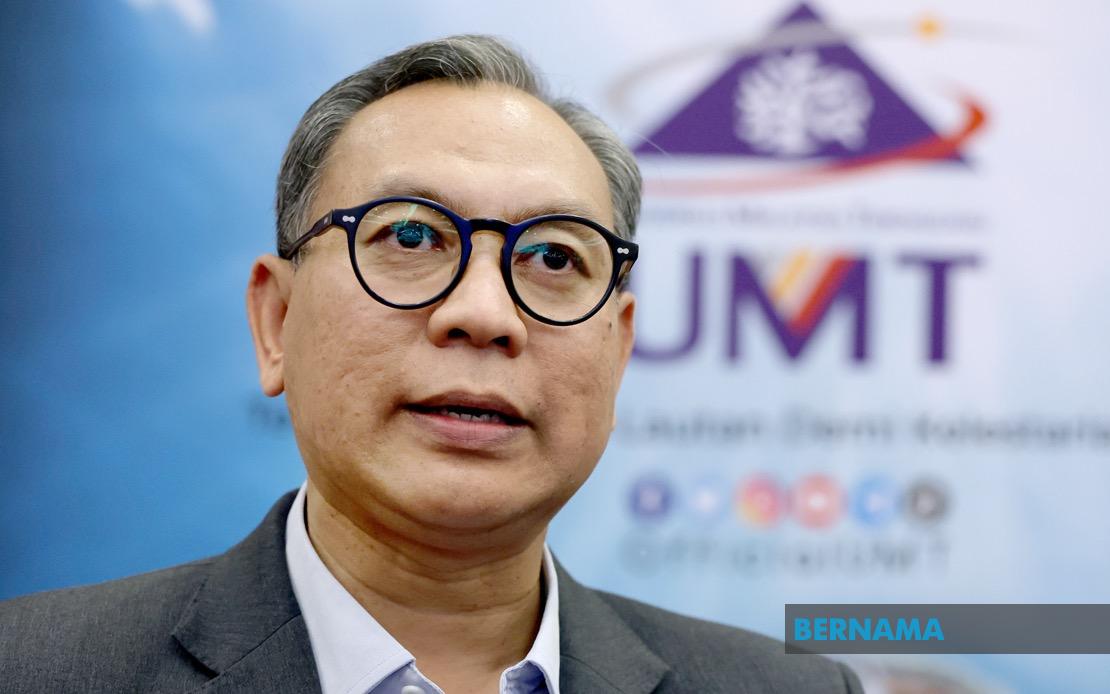
According to UMT Vice-Chancellor Prof Dr Mohd Zamri Ibrahim, the university's decision to organise the conference exemplifies its standing as a centre of excellence in marine, maritime, and aquatic sciences. He emphasised that the institution's Microplastics Research Interest Group (MRIG) and its consultancy arm, UMT Consultancy Services Sdn Bhd (UMTCS), have mobilised expertise across disciplines to confront what he characterised as one of today's most pressing environmental threats. This institutional commitment reflects a broader shift within Malaysian universities towards problem-focused research that bridges the gap between scientific discovery and actionable policy development.
The timing of ICM2026 is particularly significant given accumulating evidence of microplastics' pervasive presence throughout natural systems. These microscopic plastic particles—fragments smaller than 5 millimetres—have been detected in oceans, freshwater rivers, agricultural soils, sediments, food supplies, and even within human tissues. The ubiquity of contamination presents a scientific puzzle and a public health concern that has intensified scrutiny from environmental agencies worldwide. Regional nations have begun implementing monitoring programmes and pollution controls, yet the lack of harmonised research methodologies and standardised measurement protocols has hindered comprehensive understanding of the problem's true scale and trajectory.
Prof Mohd Zamri highlighted that scientific literature increasingly demonstrates links between microplastic exposure and disruptions to biodiversity and ecosystem functioning. Studies suggest that ingestion of these particles by aquatic and terrestrial organisms can impair feeding, reproduction, and survival rates, with cascading consequences through food webs. Beyond ecological impacts, emerging research indicates potential human health implications, including the translocation of microplastics and associated chemical contaminants across the intestinal barrier and into systemic circulation. These discoveries have prompted calls for a more cohesive, multidisciplinary approach to research that integrates perspectives from marine biology, toxicology, chemistry, medicine, environmental engineering, and policy analysis.
The conference programme encompasses presentations on the latest research findings alongside substantive discussions on technological innovations in microplastic detection and removal, environmental monitoring methodologies, and the ecological and human health consequences of chronic exposure. Participants are also examining pollution control strategies ranging from source reduction and waste management improvements to technological interventions such as filtration systems and alternative materials development. Equally important are deliberations on regulatory frameworks—how governments can establish standards for microplastic limits in products, wastewater discharge, and food commodities—and the design of future research priorities that address knowledge gaps most critical to policy implementation.
For Malaysia and the broader Southeast Asian region, the conference carries particular relevance given the area's contribution to global plastic pollution. The region accounts for a significant share of ocean plastic waste, driven by rapid industrialisation, growing consumer demand, inadequate waste management infrastructure in some jurisdictions, and the prevalence of single-use plastics in commerce and daily life. Understanding microplastic pathways—from manufacturing and consumer products through disposal, degradation, and environmental transport—is essential for developing interventions that reduce pollution at the source rather than attempting remediation once contamination has dispersed across ecosystems.
Prof Mohd Zamri expressed confidence that ICM2026 would catalyse concrete outcomes extending well beyond the conference itself. He anticipated strengthened international research networks that would facilitate information exchange and collaborative investigations, increased joint publications that amplify scientific impact, and enhanced mobility programmes allowing researchers and postgraduate students to work across institutions and borders. The gathering is also expected to foster deeper partnerships between academic institutions, industrial players developing cleaner production methods and alternative materials, and community organisations engaged in grassroots pollution prevention and awareness campaigns.
The conference's focus on evidence-based policy development is particularly timely given that several governments across the Asia-Pacific region are formulating or revising their environmental regulations regarding microplastics. Malaysia's participation at senior levels suggests receptiveness to incorporating the latest scientific insights into national policy frameworks, whether through amendments to plastic product standards, revised wastewater treatment requirements, or new monitoring and reporting obligations for industrial facilities. The presence of policymakers alongside researchers creates opportunities for direct dialogue about the feasibility, costs, and likely effectiveness of various regulatory approaches being considered.
Beyond immediate policy implications, the conference addresses a fundamental challenge in environmental governance: how to mobilise collective action on a problem that is simultaneously global in scope yet locally mediated through distinct consumption patterns, waste systems, and ecological conditions. Microplastic solutions cannot be implemented uniformly across all countries; rather, interventions must be tailored to regional circumstances while benefiting from shared knowledge about what strategies have proven effective elsewhere. The gathering of delegates from ten countries provides a forum for exchanging lessons learned and collaborative experimentation with promising approaches.
The involvement of industry representatives at ICM2026 signals recognition that private sector innovation and cooperation are indispensable to reducing microplastic sources. Manufacturing companies can redesign products to eliminate microbeads, reformulate personal care products and textiles to minimise microfibre shedding, improve production efficiency to reduce plastic waste, and invest in advanced waste treatment technologies. Conversely, academic researchers and policymakers benefit from understanding industry constraints and capabilities, enabling them to design regulations that are technically feasible and economically viable rather than unrealistic mandates that trigger non-compliance or relocation to less stringent jurisdictions.
The first International Conference on Microplastics 2026 reflects a maturation in how the region approaches environmental challenges—moving beyond isolated national efforts toward coordinated, knowledge-intensive, multistakeholder engagement. As microplastics continue to accumulate in the environment and new research reveals previously underestimated health impacts, the need for the kind of collaborative expertise and policy dialogue that UMT has convened becomes only more acute. The conference's success in generating actionable insights and fostering enduring research partnerships will likely influence environmental policy trajectories across Southeast Asia for years to come.

