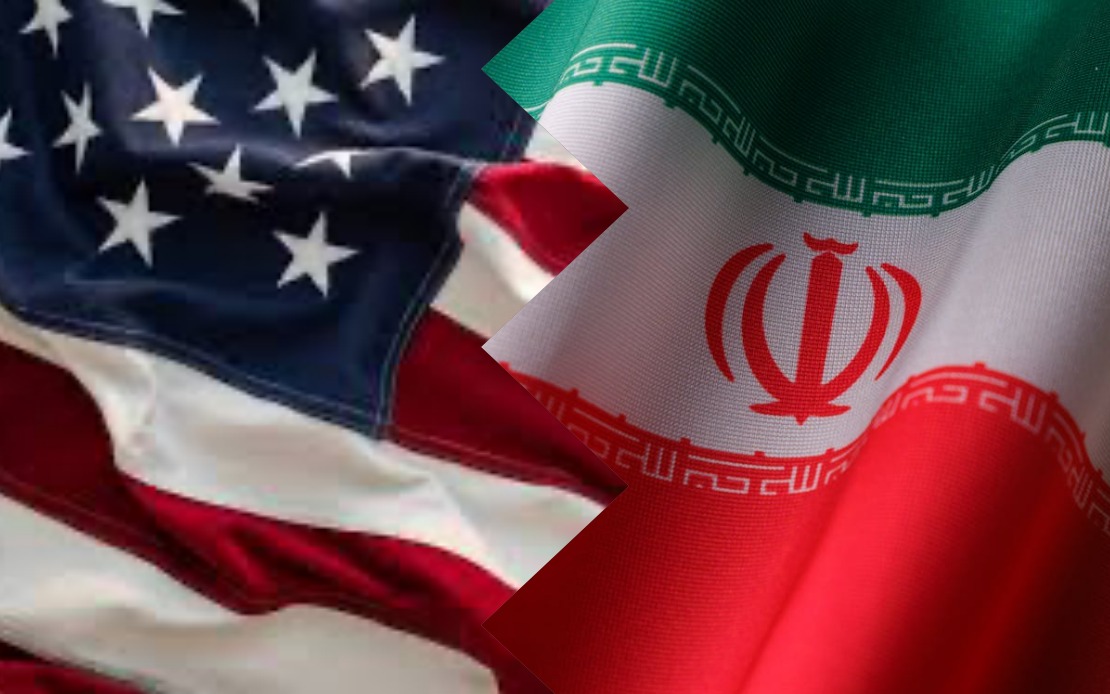
The United States military launched its second wave of strikes against Iran on Wednesday afternoon, marking an escalation in direct military confrontation between the two nations. According to the US military's Central Command (CENTCOM), the operations commenced at 3 p.m. Eastern Time and specifically targeted Iranian military capabilities considered a threat to freedom of navigation through the Strait of Hormuz, one of the world's most strategically vital shipping corridors. CENTCOM's public statement framed the action as holding Iran accountable for its conduct, with the military operations proceeding under orders from President Donald Trump.
The Strait of Hormuz holds immense importance for global energy security and international commerce, with millions of barrels of oil and liquefied natural gas transiting through its waters daily. For Malaysia and Southeast Asia, disruptions to this crucial waterway have far-reaching implications for energy prices, supply chain stability, and regional economic growth. Any escalation of military activity in the region threatens to disrupt the delicate balance that keeps one of the world's most congested maritime passages open to international shipping. The targeting of Iranian military capabilities in this specific area underscores Washington's commitment to maintaining unfettered access to these waters, a position that carries significant consequences for countries dependent on Middle Eastern energy imports.
President Trump reinforced the administration's hardline stance earlier Wednesday with a stark warning to the Iranian government, asserting that Tehran is fully aware of American intentions and should adjust its behavior accordingly. The language deployed by the US president reflects a deliberate strategy of demonstrating military resolve while simultaneously attempting to deter further Iranian actions through explicit warnings. This dual approach of direct military action coupled with public threats represents a calculated effort to impose costs on Iranian decision-making without necessarily seeking a broader regional conflict.
The current round of hostilities represents a continuation of tit-for-tat exchanges that have characterized US-Iran relations in recent weeks. The cycle began in February when the United States and Israel launched coordinated attacks against Iranian targets, prompting retaliatory strikes from Tehran. Despite efforts to de-escalate the situation, including a Pakistan-mediated memorandum of understanding intended to stabilize the volatile relationship, both nations have continued exchanging military blows. This pattern of escalation suggests that diplomatic channels remain insufficient to resolve underlying grievances and strategic competition between Washington and Tehran.
The timing of the second wave of strikes comes amid broader geopolitical uncertainties affecting the entire Middle East and its periphery. Regional actors, including Gulf Cooperation Council members and other nations with vested interests in maritime security, monitor these developments with considerable concern. For Southeast Asian nations with growing energy demands and extensive maritime trade interests, the stability of the Strait of Hormuz remains essential to their economic wellbeing. Any prolonged military conflict or further escalation could trigger energy price spikes, disrupt shipping insurance arrangements, and create additional operational challenges for regional commercial fleets.
The Pakistan-mediated memorandum referenced in the context of these events represents an attempt by a third party to broker understanding between the belligerents. Pakistan's role as an intermediary reflects the international dimension of US-Iran tensions and suggests that multiple stakeholders outside the immediate dispute recognize the dangers of unchecked escalation. However, the continued military exchanges despite such diplomatic initiatives indicate that underlying strategic competition and mutual mistrust persist, making simple resolution unlikely without more fundamental shifts in either nation's strategic calculus.
CENTCOM's framing of the strikes as accountability measures suggests the US military views these operations as defensive responses to Iranian provocations rather than unprovoked aggression. This characterization matters for international law and perceptions among neutral states and allies alike. The emphasis on protecting commercial shipping and maintaining freedom of navigation appeals to the international maritime community and leverages existing international legal frameworks that privilege open waterways for global commerce.
The stakes of this confrontation extend beyond the immediate military dimension. Should hostilities intensify further or expand geographically, the consequences could include regional state involvement, proxy force mobilization, and potential disruptions to international energy markets that would reverberate throughout the global economy. Southeast Asian economies, already grappling with inflation, currency pressures, and growth challenges, remain vulnerable to external shocks originating from Middle Eastern instability.
The Trump administration's willingness to employ military force directly and repeatedly signals a departure from restraint toward a more assertive posture in the region. This approach contrasts with recent years' emphasis on negotiation and sanctions-based pressure. Whether this military-first strategy achieves its intended deterrent effect or instead triggers further Iranian responses remains to be seen. The trajectory of US-Iran military exchanges will significantly influence regional stability, global energy prices, and the security environment affecting maritime commerce throughout Asia.

