Democratic senators in the United States, led by New York legislator Kirsten Gillibrand, have intensified pressure on President Donald Trump's administration to publicly disclose the results of a Pentagon investigation into a controversial military operation against an educational facility housing girls in Iran. The lawmakers issued their demands on Monday, insisting that the administration meet a seven-day deadline to make the findings available to the public and Congress.
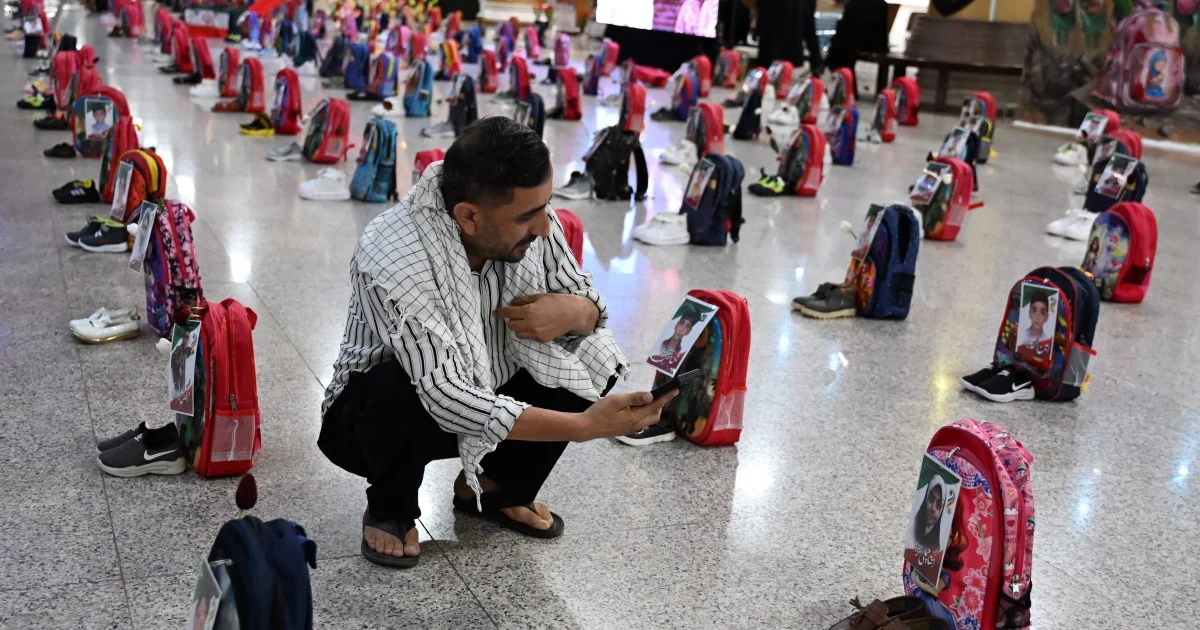
The incident in question occurred on February 28, when American military forces conducted a strike on what officials characterised as a legitimate military target. However, the operation drew immediate international concern because the facility housed a girls' school, raising questions about civilian casualties and potential violations of international humanitarian law. The ambiguity surrounding the nature and purpose of the facility—whether it primarily served educational functions or had military significance—has fuelled ongoing debate about the justification and proportionality of the operation.
Kirsten Gillibrand and her Democratic colleagues argue that transparency is essential for maintaining public trust in military operations and ensuring accountability for decisions that may have affected civilians. The senators contend that the Pentagon's investigation should reveal critical details about the decision-making process, intelligence assessments that informed the targeting, and any civilian harm resulting from the strike. This position reflects broader congressional concern about oversight of executive military authority, particularly given the delicate geopolitical situation between the United States and Iran.
The Pentagon investigation was undertaken to examine whether operational protocols were followed correctly and whether the targeting decisions complied with rules of engagement. Military investigations of this nature typically assess whether commanders had sufficient and accurate intelligence to justify military action, whether alternatives to lethal force were considered, and whether precautions were taken to minimise harm to civilians and civilian infrastructure. The thoroughness and candour of such investigations often determine whether the international community views a military operation as legally and morally justified.
For Malaysian and Southeast Asian observers, this episode underscores the broader tension in international relations between national security imperatives and humanitarian concerns. The incident highlights how military actions can quickly become diplomatic flashpoints, particularly when civilians may be affected. Regional nations closely monitor how major powers conduct military operations and handle accountability, as these precedents may influence international norms and expectations around conflict conduct in Asia-Pacific regions.
The Trump administration faces competing pressures in deciding whether to release the full investigation. Proponents of disclosure argue that withholding findings merely deepens suspicion and validates claims of military unaccountability. Opponents of immediate release contend that sensitive operational details, intelligence sources, and methods could be compromised by public disclosure. This classic tension between transparency and security reflects fundamental questions about democratic governance and military oversight that extend far beyond the immediate situation.
The timing of the senators' demand carries political weight. By issuing a seven-day deadline, Gillibrand and her colleagues are escalating pressure on the administration while allowing time for compliance before the matter potentially escalates to formal congressional inquiries or legislative demands. Such public pressure often proves more effective than private appeals, as it creates political costs for non-compliance and generates media attention that administration officials typically wish to avoid.
The broader context involves deteriorating US-Iran relations, punctuated by military confrontations and drone strikes that have progressively intensified tensions in the Middle East. Each incident contributes to a pattern that adversaries interpret through the lens of their own strategic interests, potentially influencing regional calculations about military escalation and the acceptable boundaries of operational conduct. Investigation findings will therefore carry weight beyond the immediate incident, shaping international perceptions of American military practices and restraint.
Investigations into civilian harm from military operations have become increasingly common in recent years as international humanitarian law advocacy has strengthened. The Geneva Conventions and Additional Protocols establish clear protections for civilians and civilian infrastructure, creating legal obligations that investigators examine carefully. Credible, transparent investigations serve multiple purposes: they demonstrate good faith compliance with international law, they provide accountability to affected populations, and they contribute to institutional learning within militaries about how to conduct operations more precisely in future situations.
The senators' demand reflects evolving congressional perspectives on military accountability. While bipartisan agreement exists on maintaining strong national defence capabilities, growing numbers of lawmakers—particularly among Democrats—emphasise that military power must operate within legal and ethical frameworks. This philosophical orientation shapes debates over defence budgets, rules of engagement, and investigation protocols that determine how accountability mechanisms function within the Department of Defence.
If the administration complies with the senators' request, the public release of investigation findings will likely generate intense scrutiny from human rights organisations, international law experts, and Iranian officials. Each group will interpret the findings through different analytical lenses, potentially reaching divergent conclusions about culpability and justice. Conversely, if the administration declines to release findings or heavily redacts them, senators may pursue legislative remedies to compel disclosure, potentially triggering prolonged institutional conflicts between Congress and the executive branch over military transparency and oversight.

