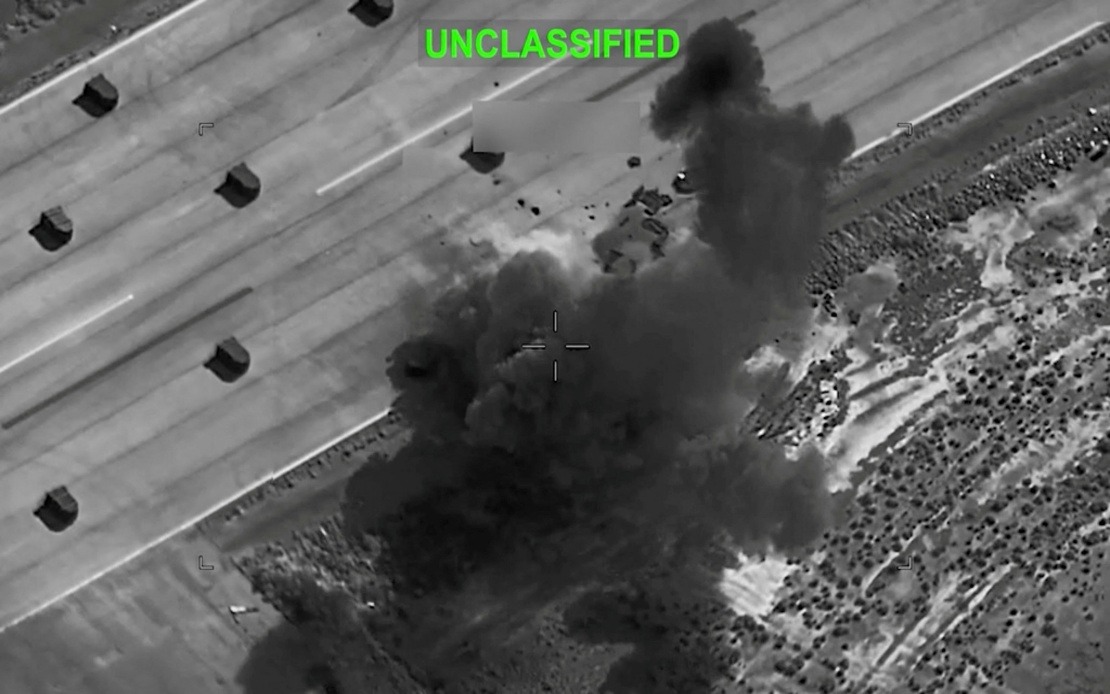
Escalating tensions in the Middle East have sparked fresh diplomatic concerns after the Iranian Health Ministry documented significant casualties resulting from American military operations. According to Health Ministry spokesman Hossein Kermanpour, at least 14 people lost their lives and 78 sustained injuries during strikes conducted across five Iranian provinces on July 8 and 9, 2026. The incidents have reignited questions about the fragility of peace agreements in the region and their enforceability when major powers contest their terms.
The timing of these operations proves particularly contentious given that a ceasefire agreement was supposedly in effect at the moment the strikes occurred. Kermanpour's statement, released through the social media platform X, underscores the gravity of the situation by specifying that the attacks targeted multiple provinces rather than a single location, suggesting a coordinated campaign rather than isolated incidents. This broader scope indicates the operations were likely planned and executed at a strategic level, raising questions about the decision-making processes behind authorising strikes during an active ceasefire.
Among those injured, 47 individuals remained hospitalised at the time of the ministry's announcement, while the remainder had already been discharged following medical treatment. This distribution of casualties across hospitalised and treated patients suggests varying degrees of injury severity, from critical wounds requiring continued care to moderate injuries managed through emergency intervention. The hospital capacity strain evident from nearly half the wounded requiring continued admission points to the scale of the medical response mobilised across Iranian healthcare facilities.
For Malaysia and the broader Southeast Asian region, developments in the Iran-US relationship carry significant implications for international stability and economic interests. Many countries in Southeast Asia maintain substantial trade relationships with Iran and rely on stable Middle Eastern dynamics to ensure uninterrupted energy supplies and shipping routes. Military escalations in this theatre, particularly those that breach ceasefire agreements, risk destabilising global markets and triggering broader geopolitical realignments that could affect regional security calculations.
The alleged violation of ceasefire terms represents a concerning precedent for conflict resolution mechanisms. If major powers are willing to circumvent agreed frameworks during supposed periods of peace, the credibility of future diplomatic settlements becomes questionable. This pattern particularly matters for nations attempting to navigate the complex geopolitical landscape between competing superpowers, as it demonstrates the vulnerability of negotiated agreements when enforcement mechanisms remain weak or when one party possesses overwhelming military superiority.
Iranian officials have historically employed casualty figures as a tool to mobilise domestic and international opinion, though independent verification of such numbers often proves challenging. However, the specificity of Kermanpour's statement—distinguishing between those hospitalised and discharged, and naming the exact number of provinces targeted—suggests an attempt to provide credible documentation rather than hyperbole. International observers and humanitarian organisations will likely dispatch investigators to verify the claims and assess the extent of civilian or military involvement in the targeted areas.
The ceasefire arrangement that was ostensibly in place at the time of these strikes represents the outcome of previous negotiations and diplomatic efforts. Understanding what prompted the United States to authorise operations despite this agreement requires examination of the broader context surrounding Iranian-American tensions, though details regarding any provocations or justifications offered by US authorities have yet to emerge in official statements.
Regional powers monitoring this situation face difficult calculations about how to respond. Traditional allies of the United States must balance their security relationships with concern about the precedent of breaching ceasefire agreements, whilst nations with closer ties to Iran must weigh the impulse to demonstrate solidarity against the risks of deepening their involvement in an escalating conflict. Southeast Asian nations typically prefer a posture of non-alignment in such disputes, but extended conflict in the Middle East inevitably ripples across global markets and security frameworks.
The humanitarian dimension of these strikes deserves particular attention, as civilian populations in the affected provinces bear the heaviest burden of military operations. Access to medical facilities, displacement, and psychological trauma all represent consequences that extend far beyond the immediate casualty figures. International humanitarian organisations will likely assess whether additional medical aid or reconstruction support becomes necessary in the struck regions.
Moving forward, the durability of any future peace arrangements may depend heavily on establishing credible international monitoring mechanisms and enforcement frameworks that neither party can easily circumvent. The current incident illustrates how unilateral military action can rapidly undermine negotiated settlements, creating cycles of retaliation and counter-retaliation that prove increasingly difficult to interrupt. For regional stability and global economic security, reversing this trajectory demands renewed commitment to diplomatic channels and international law, even as deep-seated grievances between the parties persist.

